How to Choose 755nm Diode Laser Hair Removal in 2026?

Time:2026-10-03 Author:Aria
0%

Choosing 755nm Diode Laser Hair Removal in 2026 requires more than comparing prices or counting treatment sessions. The wavelength is widely associated with precise melanin absorption and may perform well on lighter skin with darker hair. However, results depend on hair thickness, skin tone, hormonal factors, treatment settings, and the operator’s experience. A modern handpiece can look impressive. That does not guarantee safe, consistent treatment.

Dermatologist Dr. Tina Alster has emphasized, “There is no single laser that is right for every patient.” This principle should guide every purchase decision. Look for a device with adjustable fluence, reliable cooling, a suitable spot size, and documented performance across relevant skin types. Ask whether the provider performs a consultation and patch test. Ask how settings are selected. Clear answers matter.

Comfort matters too.

During a professional session, cooling should reduce heat across the skin, while controlled pulses target the follicle. Redness around treated follicles can be expected briefly, but severe pain, blistering, or prolonged discoloration should never be dismissed. An honest provider will explain limitations, including the need for multiple sessions and possible maintenance treatments. Hair may grow because of hormones, medication changes, or incorrect settings. That part is easy to underestimate.

This guide examines how to compare 755nm Diode Laser Hair Removal systems, providers, safety features, and treatment claims in 2026. It also questions a common assumption: newer technology is not automatically better. Evidence, clinical judgment, and patient-specific planning remain more valuable than marketing language.
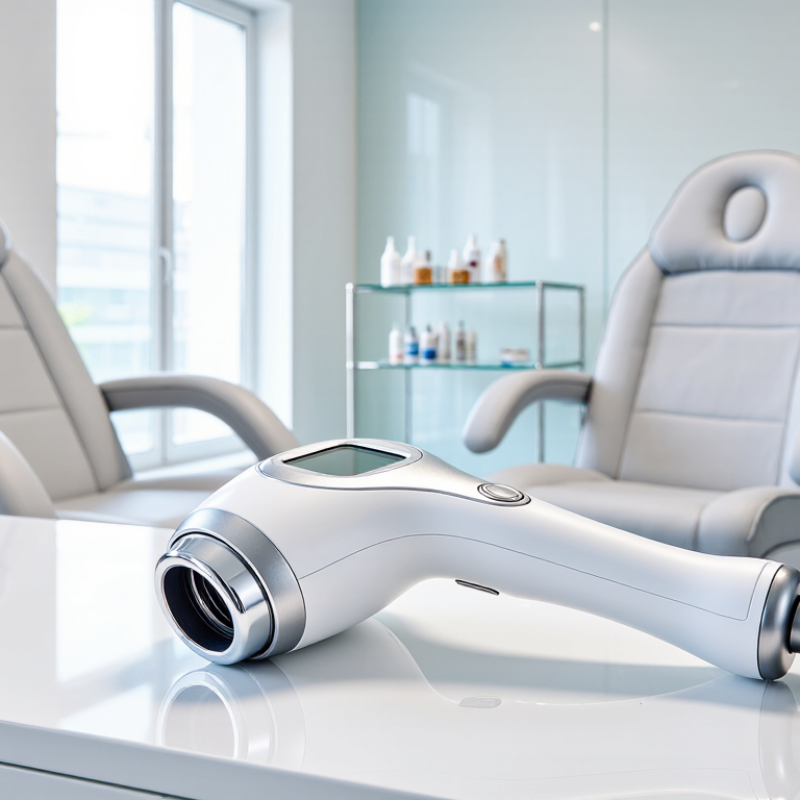
How to Choose 755nm Diode Laser Hair Removal in 2026?

Define 755 nm Diode Laser Technology and Its 2–3 mm Treatment Depth

How to Choose 755nm Diode Laser Hair Removal in 2026?

A 755 nm diode laser emits near-infrared red light at a 755 nanometre wavelength. Melanin absorbs this energy, converting light into controlled heat around the hair shaft. Technical reviews in Lasers in Medical Science describe the effective follicular heating zone as roughly 2–3 mm. This depth suits many shallow and medium-depth follicles. It is not a universal measurement. Hair density, follicle angle, skin tone, pulse duration, and spot size can change the result.

Clinical laser literature commonly reports better responses from darker, thicker hair than fine blonde or grey hair. However, stronger settings are not automatically better. Excessive fluence may increase discomfort or pigment changes, especially on recently tanned skin. I would treat the 2–3 mm figure as a practical reference, not a promise. Real treatment depends on measured skin response. Professional guidance from dermatology associations also supports test spots, cooling, and documented settings before full treatment.

Tips: Ask for the device’s verified wavelength, pulse range, fluence, and cooling method. Request a skin assessment and a small test area. Keep records of settings and reactions. Avoid choosing by wavelength alone; operator training and maintenance matter too. A 2024 market analysis from Grand View Research shows strong global demand for laser hair removal, but market growth does not prove every device performs equally. That distinction deserves attention.

Compare 755 nm with 810 nm and 1064 nm by Wavelength and Melanin Absorption

How to Choose 755nm Diode Laser Hair Removal in 2026?

Wavelength strongly affects melanin absorption, treatment depth, and skin comfort. A 755 nm diode laser is absorbed more readily by melanin in the hair shaft. It can work efficiently on light skin with coarse, dark hair. However, higher melanin absorption also means more heat may reach the surrounding skin. Careful fluence, pulse duration, cooling, and patch testing remain essential.

An 810 nm wavelength offers a middle position. It usually provides balanced melanin absorption and deeper penetration than 755 nm. This makes it practical for many skin and hair combinations. Results still depend on hair thickness, growth stage, and operator technique. In real treatment rooms, the same setting does not suit every body area.

A 1064 nm wavelength has lower melanin absorption and penetrates more deeply. It is often considered when treating darker skin types, but lower absorption does not remove risk. Poor settings can still cause discomfort or temporary pigment changes. I would not choose by wavelength alone. A trained professional should assess skin tone, tanning, hair density, medication history, and previous reactions. Protective eyewear and reliable cooling matter. Small details matter more than impressive numbers. My own view is imperfect: 755 nm may look strongest on paper, yet the safest choice can change after examining the skin closely.

Match Skin Types I–IV and Hair Profiles to 755 nm Treatment Suitability

A 755 nm diode laser suits many Fitzpatrick skin types I–III, and selected type IV patients. It targets melanin strongly. Dark, coarse hair usually responds best because it absorbs more laser energy. Fine, grey, white, or red hair may respond poorly. The Fitzpatrick scale helps, but it is not a safety certificate.

Published clinical reviews report approximately 70–90% long-term hair reduction after multiple laser sessions, depending on body area and treatment settings (Lasers in Medical Science, 2022). Results vary sharply. Hormonal conditions, hair density, and growth cycles matter. A 2023 International Society of Aesthetic Plastic Surgery report also showed continued global demand for laser-based hair removal, but procedure numbers do not guarantee equal outcomes for every skin type.

For skin type IV, recently tanned skin increases pigment-change risk. Conservative energy settings and a trained professional are essential. Patch testing helps reveal unexpected reactions. Do not rush this step. I would select 755 nm for untanned type I–III skin with dark hair, then reassess type IV carefully. Thin hair may need different technology or more sessions. That point is often underexplained. Proper eye protection, cooling, medical history review, and documented follow-up should guide every treatment plan.

Evaluate Fluence, Pulse Width, and Spot Size Against 10–40 J/cm² Benchmarks

How to Choose 755nm Diode Laser Hair Removal in 2026?

Choosing a 755nm diode laser requires more than checking its wavelength. Fluence, pulse width, and spot size often determine the practical result. A useful working benchmark is 10–40 J/cm², but this range is not a universal prescription. Lower fluence may suit fine hair or sensitive skin. Thicker, darker hair may require more energy, with careful supervision.

Pulse width controls how quickly energy reaches the follicle. Short pulses can respond well to coarse hair, yet they may increase discomfort and surface heat. Longer pulses spread energy more gently and may support safer treatment on darker or easily irritated skin. The correct choice depends on skin tone, hair thickness, treatment area, and cooling performance. A trained practitioner should assess these factors in person.

Spot size affects speed and energy delivery. A larger spot can cover a leg efficiently, while a smaller spot offers better control around the upper lip or jawline. For example, a 15 J/cm² setting with strong cooling may feel different from the same setting with poor contact. Device calibration matters. So does operator technique.

Do not chase the highest number. That approach can backfire. A test patch, documented skin response, and gradual adjustments provide stronger evidence than a dramatic specification sheet. I have found that comfort, consistent pulse delivery, and realistic treatment records often reveal more than peak fluence alone. Results vary, and some settings need reconsideration after each session.

How to Choose 755nm Diode Laser Hair Removal in 2026?

Evaluate fluence, pulse width, and spot size against the 10–40 J/cm² fluence benchmark.

The chart compares representative operating references commonly used when evaluating 755nm hair-removal systems: fluence from 10–40 J/cm², pulse widths from 10–60 ms, and spot sizes from 10–20 mm. Higher fluence is not automatically better; pulse duration and spot size should be matched to hair thickness, skin response, cooling performance, and the treatment area. These values are comparison benchmarks, not treatment prescriptions.

Check Cooling, Safety Standards, and 6–8-Week Treatment Intervals

Choosing a 755nm diode laser requires more than comparing fluence or advertised speed. In practice, cooling often decides whether treatment feels controlled or rushed. Look for integrated contact cooling, chilled air, or both. The handpiece should keep the skin evenly cool before and after each pulse. Ask how the device monitors temperature. A cold tip alone is not proof of safe operation. After a test patch, mild redness can be expected, but sharp pain deserves attention. Skin tone, hair color, recent tanning, and medications can change the risk profile.

A reliable clinic should explain its eye protection, emergency stop, calibration records, and operator training. Check labeling and documentation against applicable local requirements, plus relevant laser safety standards such as IEC 60825-1. For medical electrical equipment, ask whether relevant IEC 60601 requirements are addressed. Do not accept vague claims like “FDA approved” without identifying the exact device and indication. That wording can mislead. A patch test and written aftercare instructions show better process control. I have learned that confident sales talk is not the same as clinical competence. Still, documentation cannot replace careful skin assessment.

Most treatment plans place sessions six to eight weeks apart. This timing follows the active growth cycle, not a convenient weekly appointment schedule. Face and body areas may respond differently, so the interval should be adjusted by a trained professional. Treating too early may add irritation without improving results. Treating too late can reduce momentum. Between sessions, trim rather than wax or pluck, unless your provider advises otherwise. Record settings, reactions, and shedding dates with simple photos. Results are gradual, uneven, and sometimes disappointing. That is useful information, not failure; the plan may need revision.

FAQS

How does 755 nm differ from 810 nm and 1064 nm?

755 nm absorbs melanin strongly and usually suits lighter skin with dark, coarse hair. 810 nm offers balanced absorption and deeper penetration. 1064 nm penetrates deepest and absorbs less melanin. Wavelength alone is not enough.

Which skin types may suit 755 nm treatment?

Untanned Fitzpatrick skin types I–III often suit 755 nm treatment. Selected type IV patients may also qualify after careful assessment. Recently tanned skin needs greater caution. Skin evaluation matters most.

Which hair responds best to 755 nm?

Dark, coarse hair usually absorbs energy effectively. Fine, grey, white, or red hair may respond poorly. Hair thickness and growth stage also affect results. Thin hair can be stubborn.

Can 755 nm work on darker skin?

It may work on selected type IV skin with conservative settings. Higher melanin absorption can heat surrounding skin. A trained professional should assess tanning, skin tone, and previous reactions. Patch testing remains important.

What cooling features should a treatment device have?

Look for contact cooling, chilled air, or both. The handpiece should cool the skin before and after each pulse. Ask how temperature is monitored. A cold tip alone proves little.

What safety checks should happen before treatment?

The clinic should review medications, tanning, skin tone, hair density, and past reactions. Protective eyewear is essential. Ask about emergency stops, calibration records, operator training, and documentation. Clear answers matter.

How often are 755 nm treatments usually scheduled?

Many plans place sessions six to eight weeks apart. This timing follows active hair growth cycles. Face and body areas may need different intervals. Weekly treatment is not automatically better.

What should I do between treatment sessions?

Trim hair rather than waxing or plucking, unless your provider advises differently. Record treatment settings, skin reactions, and shedding dates. Simple photographs can reveal gradual changes. Progress may look uneven.

What results should I realistically expect?

Published reviews report about 70–90% long-term reduction after multiple sessions. Results vary by body area, hormones, hair density, and settings. Temporary redness may occur after treatment. Sharp pain deserves attention. My view is imperfect.

Conclusion

Choosing 755nm Diode Laser Hair Removal in 2026 requires evaluating wavelength performance, treatment settings, and safety features rather than relying on appearance or price alone. The 755 nm wavelength has strong melanin absorption and typically targets hair follicles at an estimated depth of 2–3 mm. Compared with 810 nm, it may be more responsive to lighter, finer hair, while 1064 nm generally offers deeper penetration and lower melanin absorption. This makes 755 nm particularly suitable for many clients with Fitzpatrick skin types I–IV, provided that hair color, thickness, density, and contrast with the surrounding skin are carefully assessed.

When comparing equipment, review fluence, pulse width, and spot size against practical ranges of approximately 10–40 J/cm², selecting settings according to individual tolerance and treatment area. Reliable contact or air cooling, clear operating controls, skin protection features, and recognized safety standards are essential. Treatments are commonly scheduled at 6–8-week intervals to follow hair-growth cycles, with gradual adjustments based on results and skin response.


Aria

Aria

Aria is a dedicated marketing professional with a deep passion for innovative strategies and a keen understanding of our company's product offerings. With a wealth of experience in the industry, Aria excels at crafting engaging content that highlights the unique features and benefits of our......