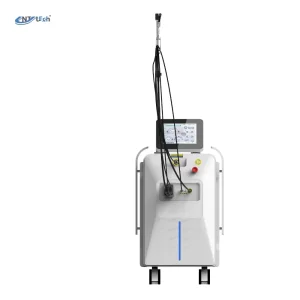
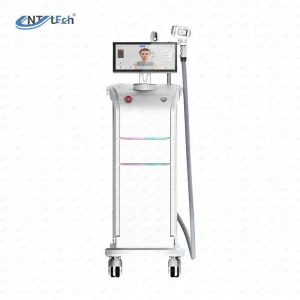
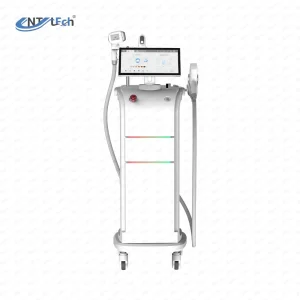
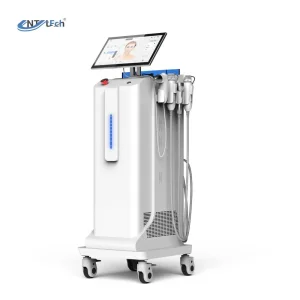
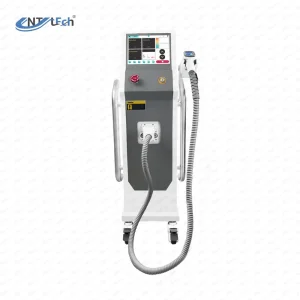
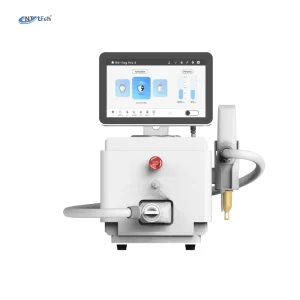
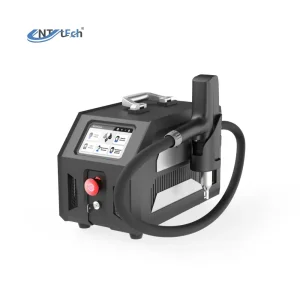
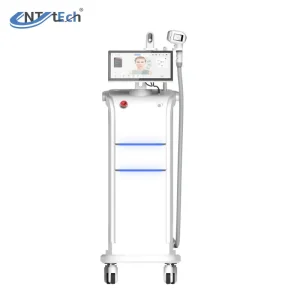
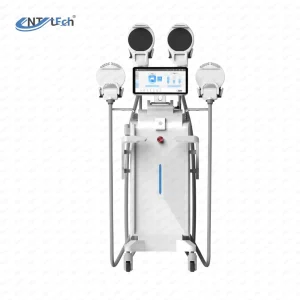
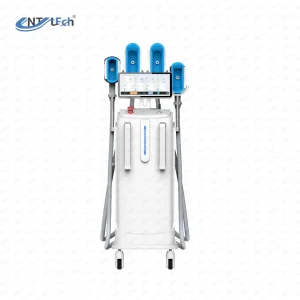
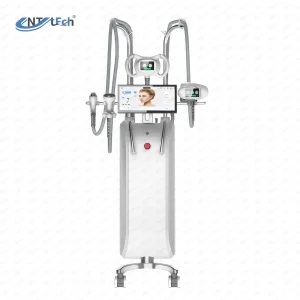
Explore our leading medical-grade aesthetic equipment engineered for optimal clinical efficacy and continuous multi-clinic operation.
The global market for energy-based aesthetic devices is undergoing a structural transition toward clinical efficacy, strict regulatory compliance, and non-invasive patient comfort. Institutional buyers, clinical procurement officers, chain MedSpa directors, and regional distributors are increasingly prioritizing CE-certified Laser Diode Hair Removal Systems manufactured by certified OEM/ODM facilities. Under the EU Medical Device Regulation (MDR 2017/745), sourcing certified equipment is no longer merely a commercial preference—it is an absolute legal prerequisite for entering European and Tier-1 global aesthetic markets.
As standard Intense Pulsed Light (IPL) equipment falls out of favor due to higher risks of epidermal burns on Fitzpatrick skin types IV–VI, laser diode systems operating at 808nm, 755nm, and 1064nm wavelengths have established themselves as the clinical gold standard. Premium procurement criteria now center on semiconductor diode stack durability, thermal management efficiency, dynamic contact cooling, and smart operating platforms with cloud telemetry.

In the aesthetic equipment realm, our dedicated R&D team creates engineered solutions designed to dramatically enhance skin health, treatment safety, and patient satisfaction.

We remain at the absolute forefront of developing non-invasive and minimally invasive clinical solutions that maximize fluence delivery while minimizing patient downtime.

Our newest line of laser-based devices effectively treats a broad range of skin conditions, including deep hair follicles, vascular lesions, pigmentation, and acne scarring.

These devices are meticulously designed to deliver targeted optical energy with minimum discomfort, low noise operational profiles, and rapid treatment sessions.
Understanding Selective Photothermolysis and Semiconductor Laser Engineering
The fundamental principle governing diode laser hair removal is Selective Photothermolysis (pioneered by Anderson and Parrish). To achieve permanent epilation without thermal damage to surrounding dermal tissues, specific optical wavelengths are absorbed by melanin located in the hair shaft and follicular matrix.
Provides high energy absorption by the melanin chromophore, making it ideal for the widest range of hair types and color—especially light-colored and thin fine hair superficial in skin depth.
Offers deep penetration of the hair follicle with high average power, a high repetition rate (up to 10-20Hz), and a large spot size for rapid treatment on all skin types (Fitzpatrick I-VI).
Characterized by lower melanin absorption, making it a focused solution for darker skin types (Fitzpatrick V-VI). Deepest penetration targets the papilla and hair bulb for stubborn areas.
One of the primary causes of laser diode degradation in high-volume clinics is thermal stress. Beijing UNT Technology Co., Ltd. incorporates industrial-grade Thermo-Electric Cooling (TEC) modules combined with sapphire tip refrigeration. This maintains epidermal temperature at a continuous -5°C to -15°C throughout treatment, neutralizing pain receptors and preventing thermal injury.
In 2020, UNT pioneered the world's first Android OS integrated Diode Laser system—SmartDepi. This platform provides automated treatment parameter calculations based on clinical algorithms, real-time handpiece temperature monitoring, custom client management databases, and remote over-the-air (OTA) diagnostic capabilities for salon fleet managers.
Inside Beijing UNT Technology's 6,000 Square Meter High-Tech Facility
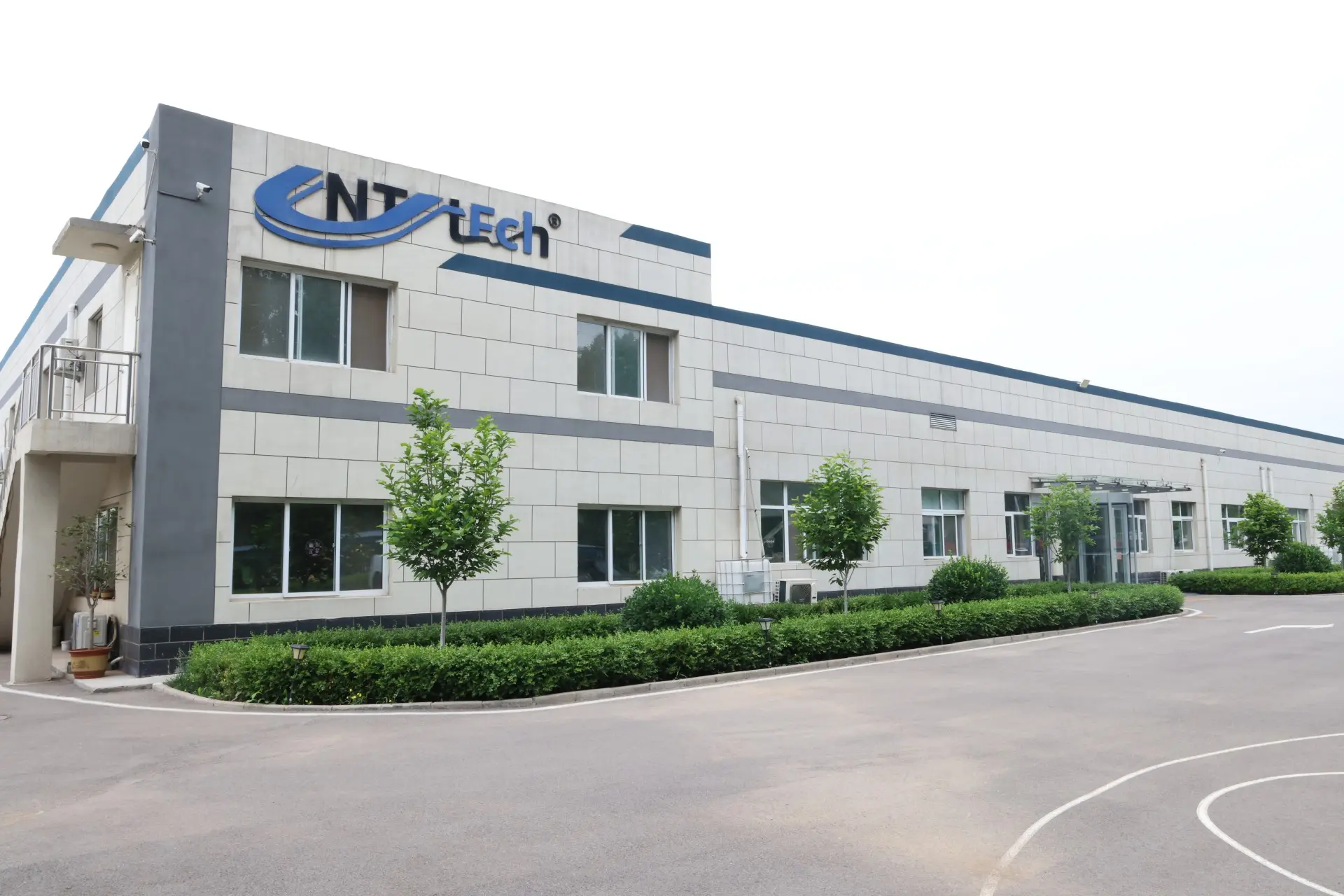
Complementing our robust internal R&D capabilities is our large-scale production facility. Spanning an impressive 6,000 square meters in Beijing, China, our manufacturing line integrates cleanroom assembly, automatic laser energy calibration, and rigorous stress testing.
Our production workflow is governed by strict ISO 13485:2016 medical device standards. Lean manufacturing principles eliminate supply chain redundancies, enabling flexible output scaling from short-run custom prototypes (50 units) to high-volume commercial production runs (50,000+ units annually).
Prototypes are engineered using CAD/CAM software and 3D precision printing, undergoing iterative optical stress testing to optimize ergonomics and beam geometry.
Sensitive laser emitter bars, optical prisms, and high-frequency RF modules are assembled in ISO Class 7 cleanroom environments to eliminate airborne micro-particle contamination.
Every finished device is logged with a unique Serial Number (SN) barcode, detailing component sourcing, technician assembly logs, and optical power output test charts.
Over a decade of milestones in high-energy optical engineering and regulatory compliance
Founded in 2012 and officially registered in 2015 in Beijing and Hong Kong, focusing on high-precision display and optical equipment R&D.
Successfully developed proprietary IPL devices (2016) and launched the groundbreaking "Alpha" diode laser handpiece with touch-screen controls (2017).
Expanded medical aesthetic lines (2018) and engineered "SmartDepi" (2020)—the world's first smart Android operating system for diode lasers.
Expanded Beijing headquarters and production plant to 6,000 square meters, growing the professional headcount to over 130 engineering and production specialists.
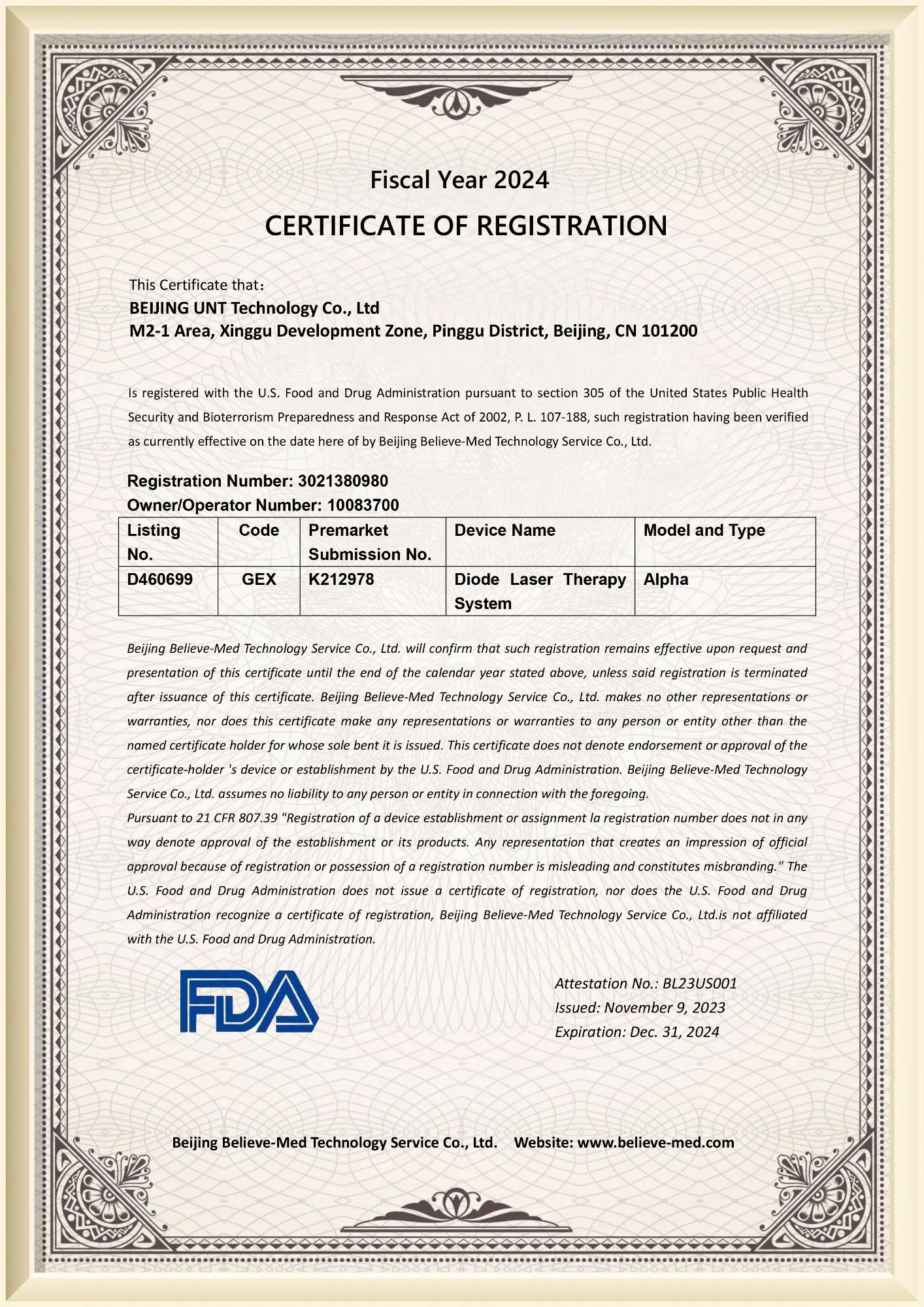
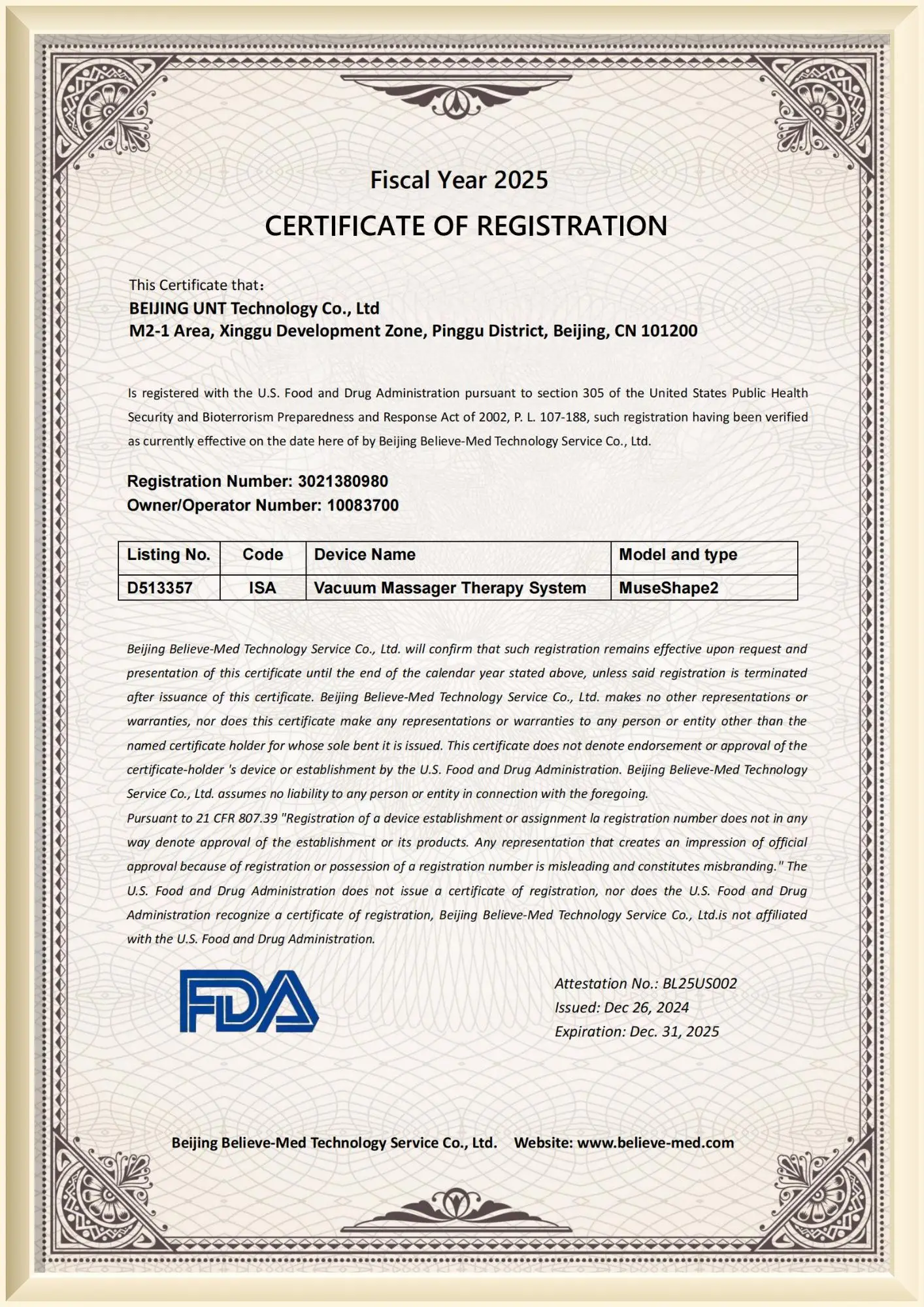
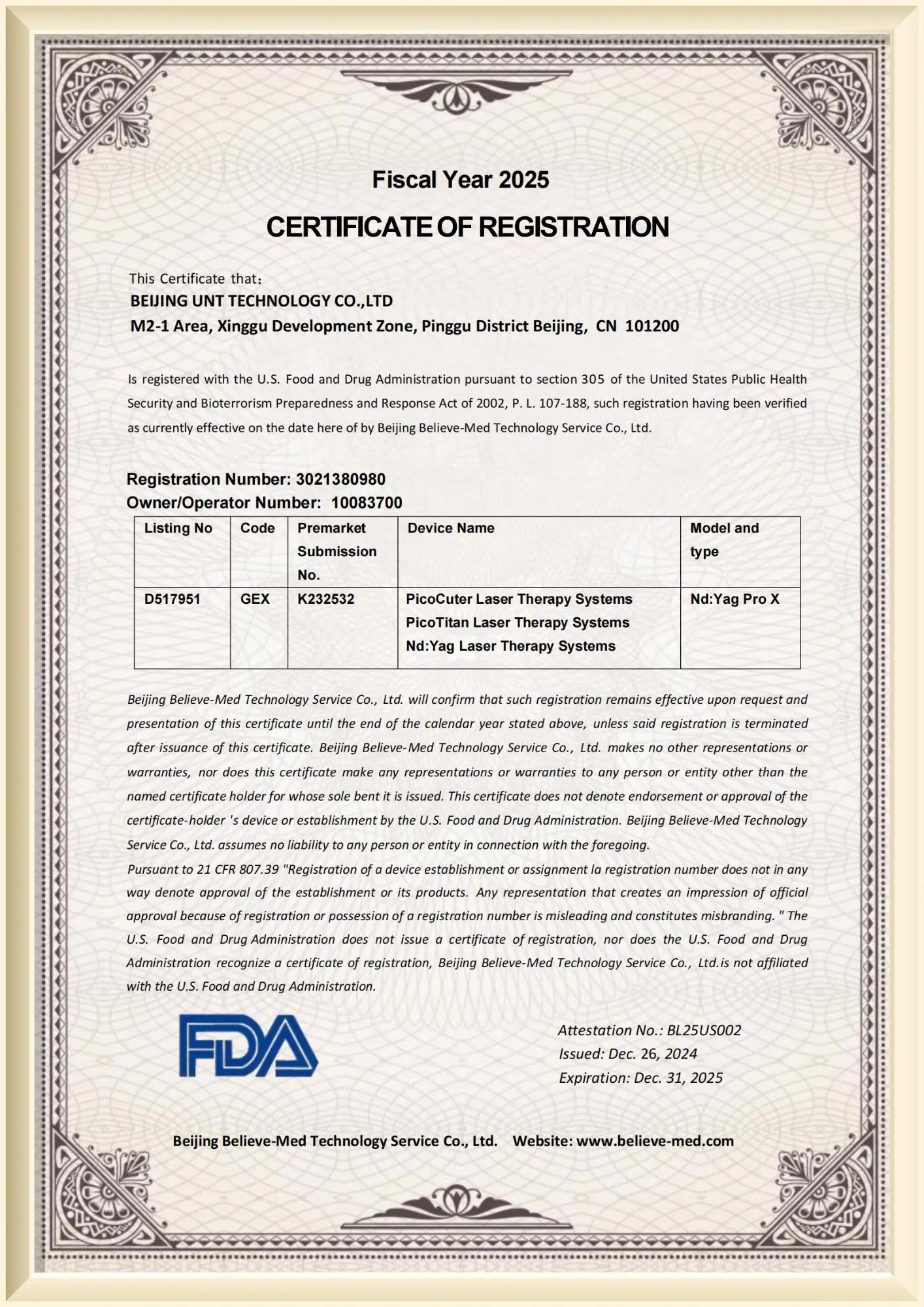
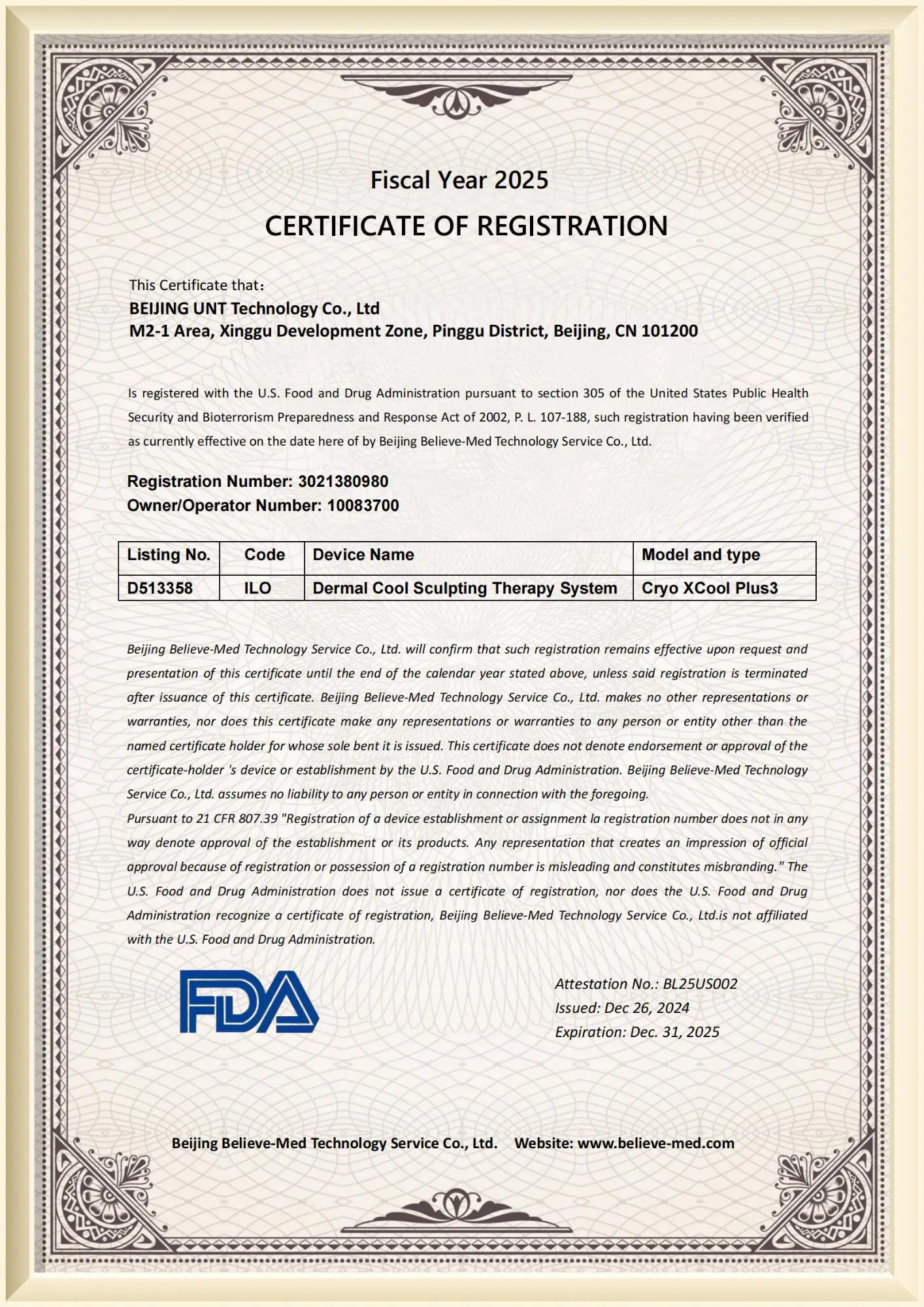
Secured 4 official US FDA 510(k) clearances across diode lasers, MuseShape RF vacuum systems, Q-Switched Nd:YAG, and Cryo Fat Freezing devices.
Achieved ISO 13485 (MDR base) and MDSAP certifications. Built the "APEX" European customer service and technical support center in the Netherlands.
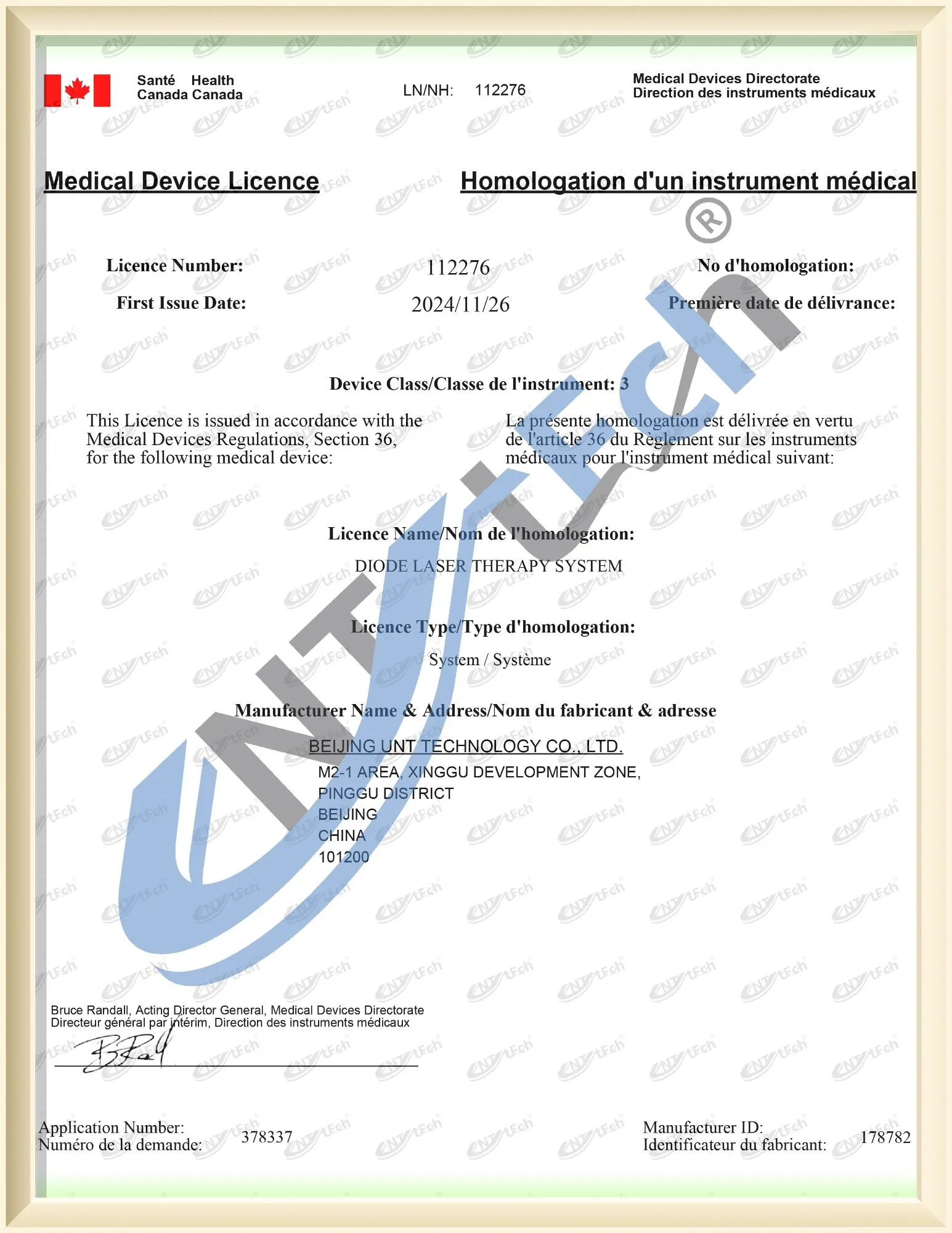
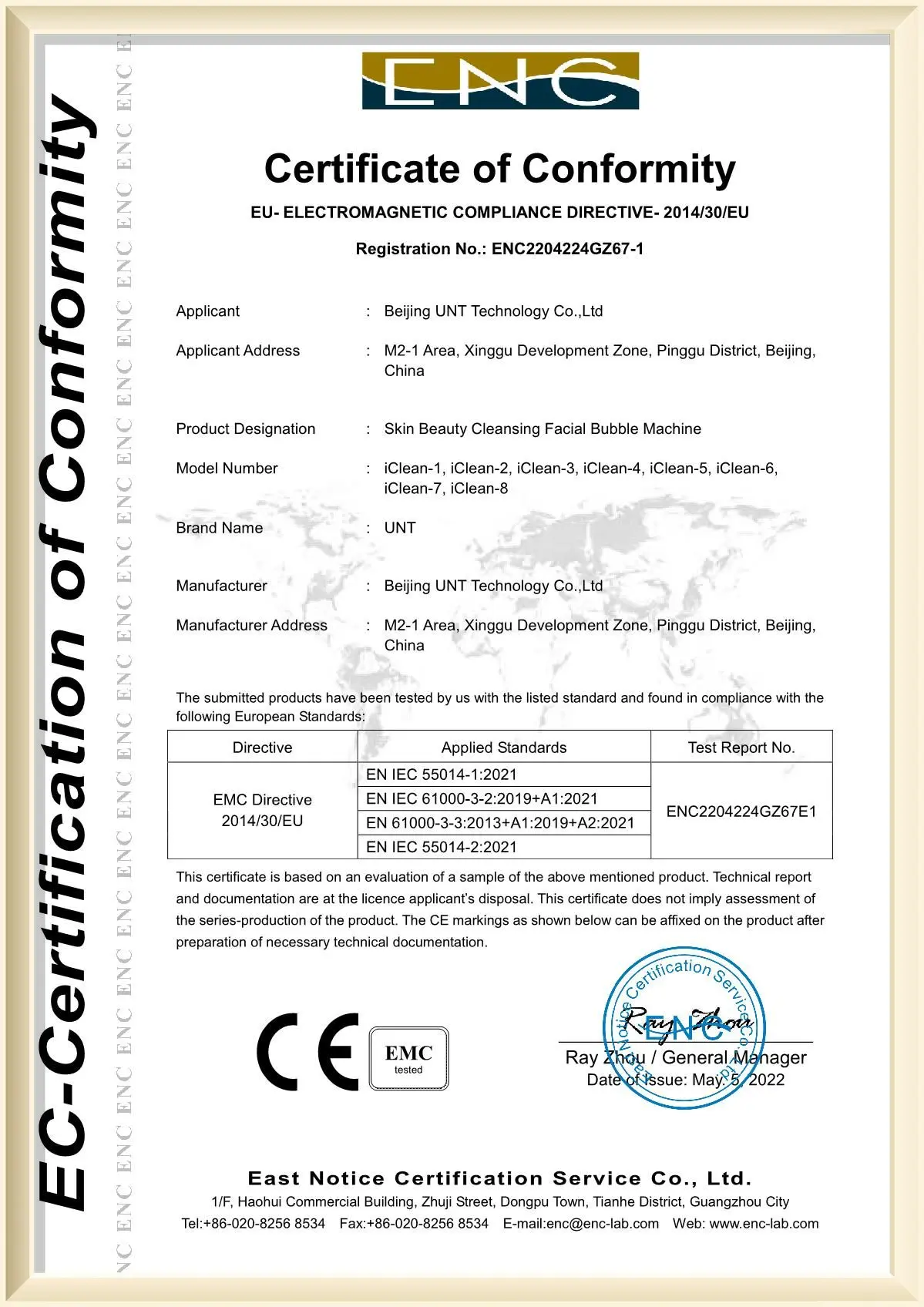
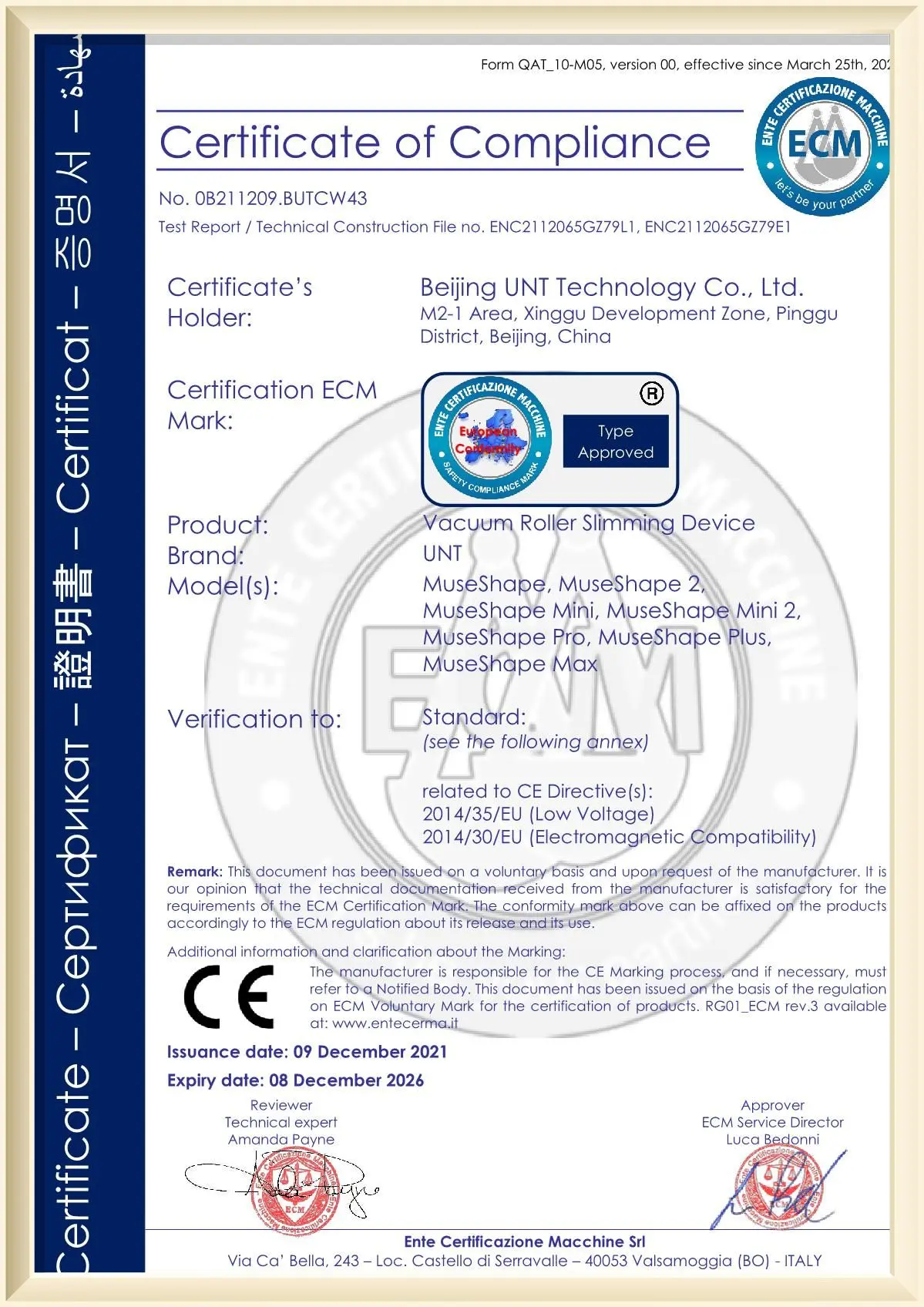
Verified certificates empowering global distributors to seamlessly pass local customs and regulatory audits
Entering strict regulatory environments such as the EU, North America, Australia, and East Asia requires rigorous compliance documentation. Beijing UNT Technology devices comply fully with IEC 60601-1 (Electrical Safety), IEC 60601-2-22 (Laser Equipment Safety), and the Medical Device Single Audit Program (MDSAP).

Objective clinical comparison table for equipment procurement directors
| Specification / Feature | UNT Triple Wavelength Diode Laser | Traditional IPL Systems | Long Pulse Nd:YAG Laser |
|---|---|---|---|
| Primary Wavelengths | 755nm + 808nm + 1064nm Co-Axial Matrix | 400nm - 1200nm Broad Spectrum Filtered | 1064nm Monochromatic Beam |
| Target Chromophore | Melanin in Follicular Matrix | Melanin + Hemoglobin (Diffuse) | Deep Melanin / Vascular Papilla |
| Fitzpatrick Skin Suitability | Types I – VI (Universal Coverage) | Types I – III (High Burn Risk on Darker Skin) | Types IV – VI (Ideal for Dark Skin) |
| Pulse Duration Range | 1ms – 400ms (Ultra-Precise Matching) | 10ms – 100ms (Variable Discharge) | 0.5ms – 300ms |
| Cooling Technology | TEC Semiconductor Active + Sapphire Tip (-15°C) | Air / Basic Water Flow (-2°C to 0°C) | Cryogen Spray / Cold Air Blower |
| Operational Lifespan | Up to 100 Million Shots (AuSn Solder Bars) | 100,000 – 300,000 Flashes (Xenon Lamp) | 1 Million – 3 Million Shots (Flashlamp) |
| Clinical Epilation Speed | High Speed (In-Motion 10-20Hz Stacking) | Slow Single-Shot Stamping (1-2Hz) | Moderate Speed (2-5Hz) |
End-to-end client support from tailored hardware chassis to European door-to-door maintenance
Clear technical and commercial answers to streamline your procurement decision
Explore additional specialized medical systems from Beijing UNT Technology Co., Ltd.
 UNT TECH