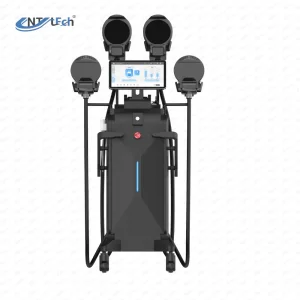
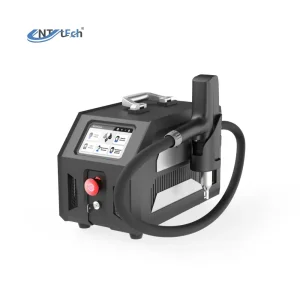
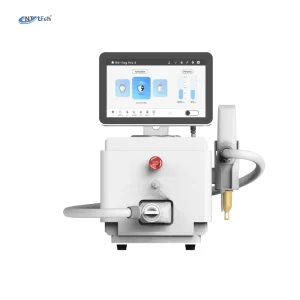
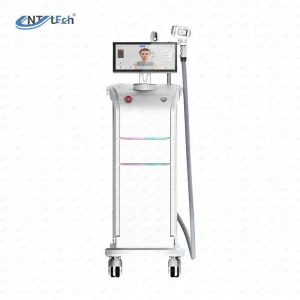
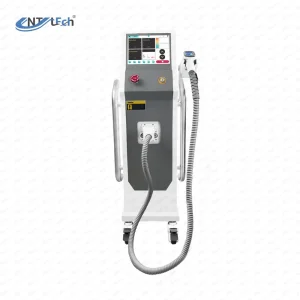
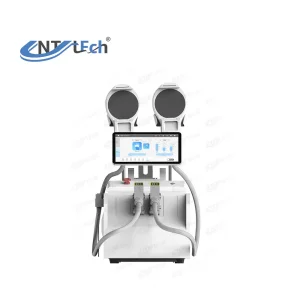
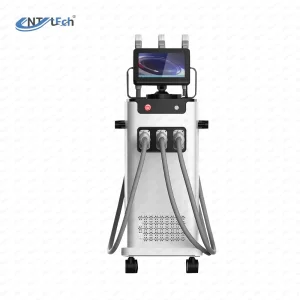
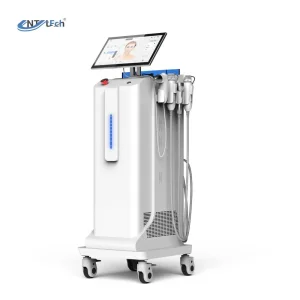
Laser hair removal operates on the principle of Selective Photothermolysis (pioneered by Anderson and Parrish). Targeted laser energy at specific wavelengths (typically 755nm Alexandrite, 808nm/810nm Diode, and 1064nm Nd:YAG) is preferentially absorbed by the chromophore melanin within the hair shaft and follicular epithelium. The absorbed light converts instantly into thermal energy, elevating the temperature of the hair follicle matrix and stem cells to >65°C, causing irreversible coagulation necrosis while sparing the surrounding epidermal and dermal architecture.
However, the delivery of high-fluence energy into human skin inherently produces a cascade of cutaneous reactions. Understanding the physiological spectrum of laser hair removal after effects is crucial for aesthetic clinic directors, laser technicians, equipment distributors, and original equipment manufacturers (OEMs).
Key Insight for OEM/ODM Procurement: Managing clinical after-effects is not merely a matter of post-treatment care—it is directly tied to the engineering quality of the laser system, precision of pulse width modulation, optical purity of diode emitters, and sub-zero contact cooling capabilities.
Transient Erythema & Perifollicular Edema: Mild redness and localized swelling surrounding the hair follicle orifice within 10 to 30 minutes post-treatment. This indicates successful thermal uptake within the follicle wall.
Mild Thermal Sensation: A localized sensation of warmth similar to mild sunburn, typically resolving within 2 to 24 hours.
Folliculitis & Micro-Pustules: Mild inflammatory or aseptic pustular reactions caused by thermal trauma to the sebaceous gland micro-environment or transient bacterial colonization.
Epidermal Flaking & Xerosis: Temporary disruption of the stratum corneum barrier function leading to superficial dryness or delicate desquamation.
Post-Inflammatory Hyperpigmentation / Hypopigmentation (PIH/PIHo): Melanin dysregulation caused by excessive thermal diffusion into epidermal keratinocytes, prevalent in darker FitzPatrick skin types IV–VI.
Thermal Blistering & Epidermal Burns: Caused by inadequate contact cooling, improper fluence selection, or inconsistent laser bar energy density.
To eliminate adverse after-effects, leading medical aesthetic equipment factories must engineer hardware that respects the Thermal Relaxation Time (TRT) of human skin. TRT is the time required for a target tissue to lose 50% of its peak thermal energy via conduction. The TRT of epidermal tissue is approximately 3 to 10 milliseconds, whereas the TRT of targeted hair follicles ranges from 40 to 100 milliseconds.
| Wavelength / Tech | Target Depth & Chromophore | Primary Clinical Indication | Hardware Mitigation against Adverse After-Effects |
|---|---|---|---|
| 755nm Alexandrite | Superficial Dermis (Melanin Peak) | Fitzpatrick I-III, Fine/Light Hair | Requires high-speed sub-zero sapphire cooling to prevent epidermal blistering. |
| 808nm Gold Standard Diode | Mid-to-Deep Dermis (Melanin/Bulge) | Fitzpatrick I-VI, Universal Hair | TEC active cooling coupled with micro-channel stack bar technology ensures uniform energy pulse without hot spots. |
| 940nm Deep Diode | Deep Dermis (Micro-vascular Support) | Coarse Deep Hair & Vascular Coagulation | Combines micro-vascular thermal coagulation to cut hair root nourishment without epidermal breakdown. |
| 1064nm Nd:YAG | Deep Dermal Papilla (Low Melanin, High Depth) | Fitzpatrick V-VI, Dark/Tanned Skin | Longer wavelength bypasses epidermal melanin, minimizing PIH risks in deeply pigmented skin. |
Navigating the international market for medical aesthetic devices requires strict compliance with international safety and quality protocols. In the European Union, the transition from the legacy Medical Device Directive (MDD 93/42/EEC) to the stringent Medical Device Regulation (MDR EU 2017/745) has fundamentally transformed the manufacturing and distribution requirements for laser hair removal equipment.
Under MDR Annex XVI, high-intensity laser equipment intended for aesthetic hair removal is subjected to medical-grade risk assessments. Certification demands rigorous clinical evaluation reports (CER), post-market surveillance (PMS), and full product life-cycle traceability via Unique Device Identification (UDI).
CE marked diode lasers must pass strict electrical safety, electromagnetic compatibility (EMC), and laser functional safety testing under IEC 60601-2-22 (particular requirements for basic safety and essential performance of surgical, cosmetic, therapeutic, and diagnostic laser equipment).
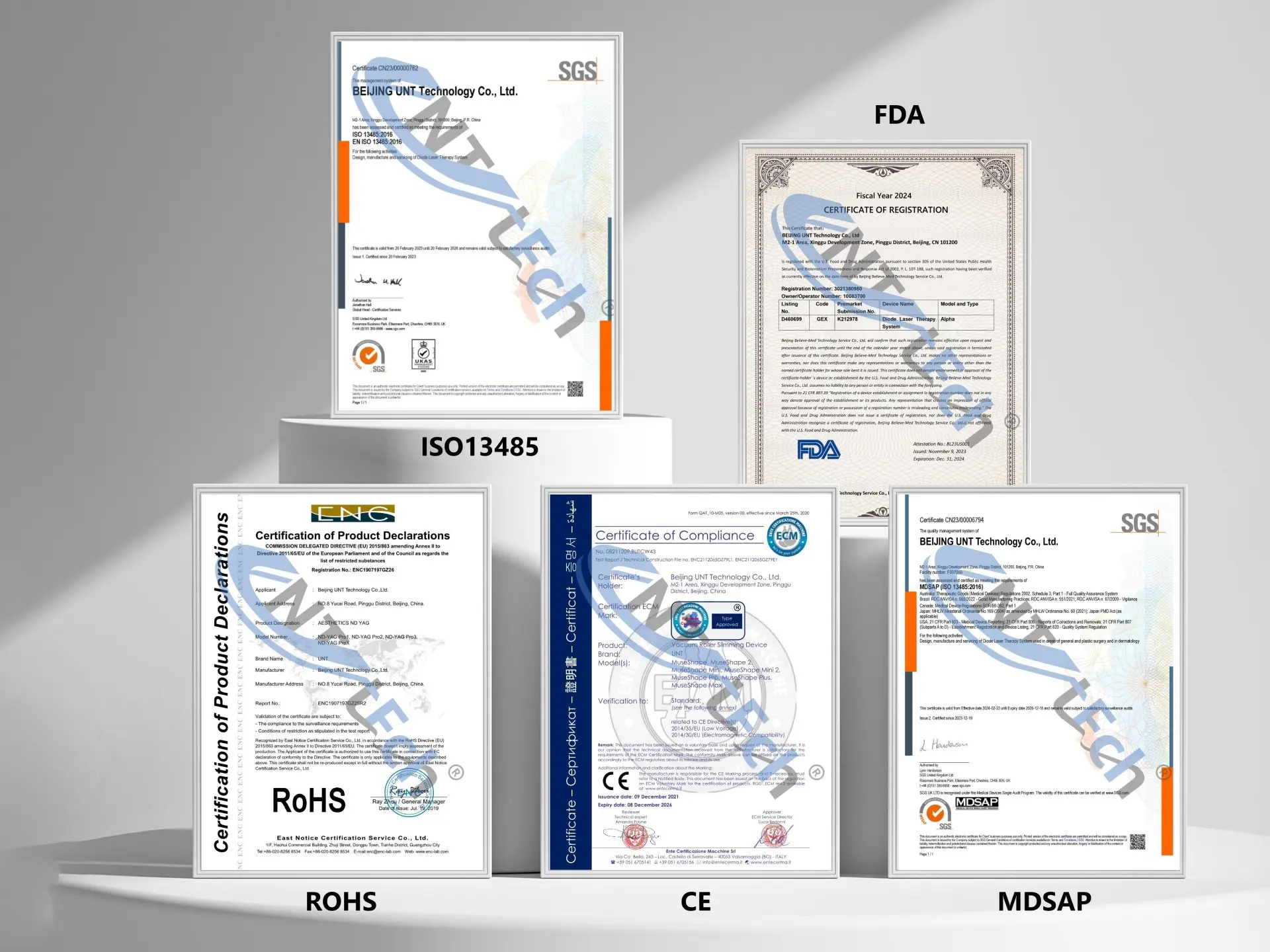
Manufacturing facilities must operate under ISO 13485 certified Quality Management Systems. Comprehensive compliance guarantees that every laser system produced exhibits identical optical stability, minimizing unexpected variance in clinical laser after-effects.
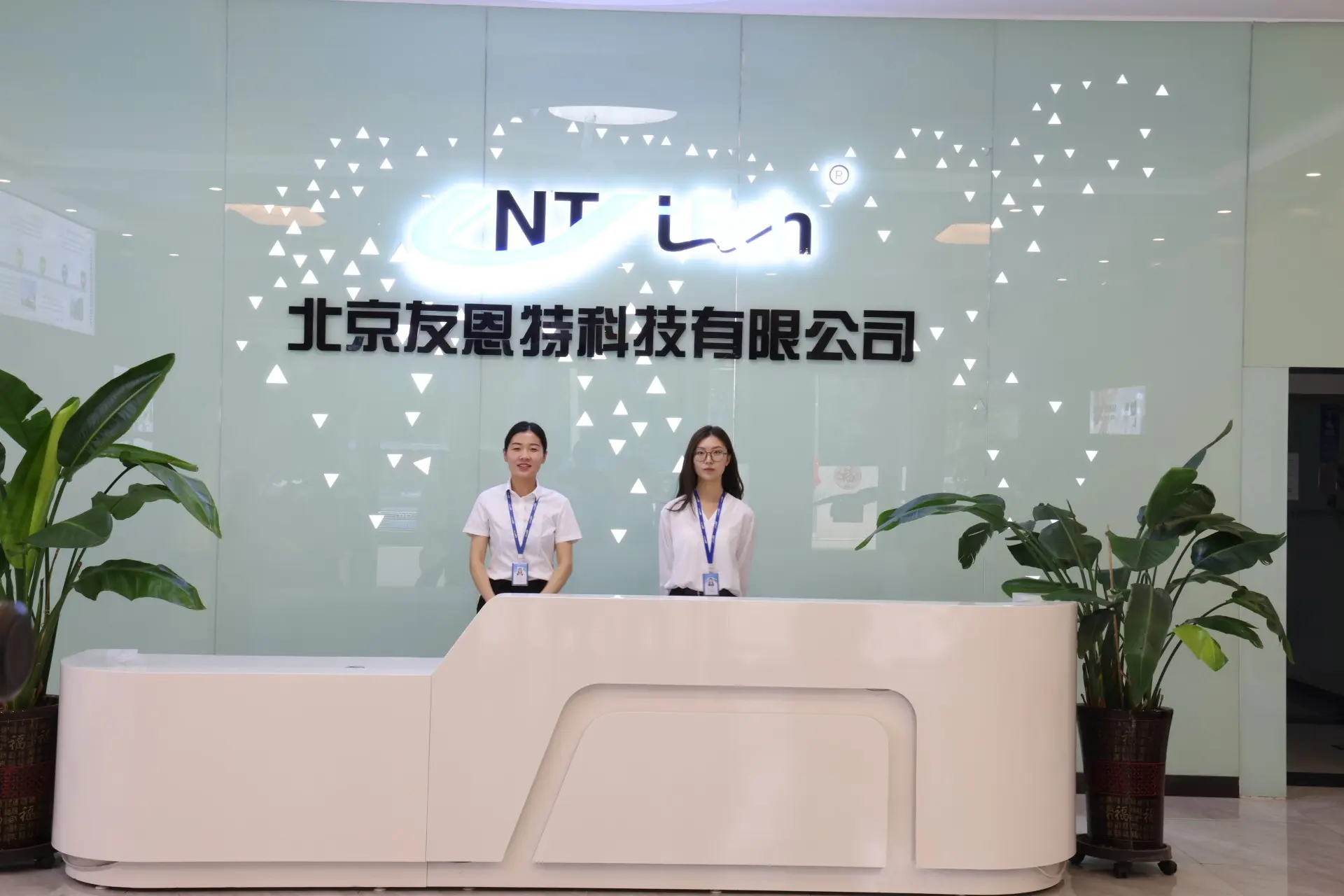
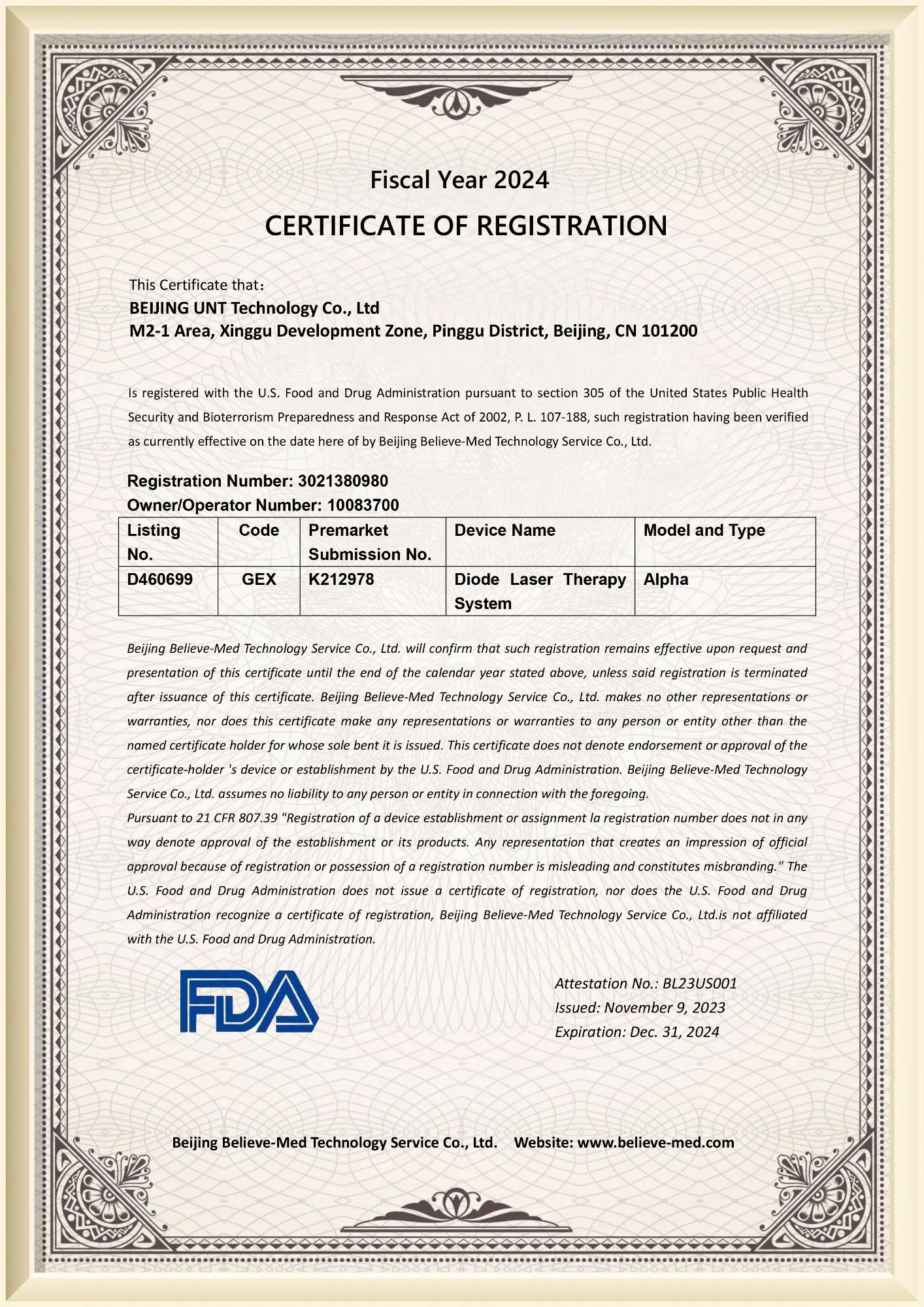
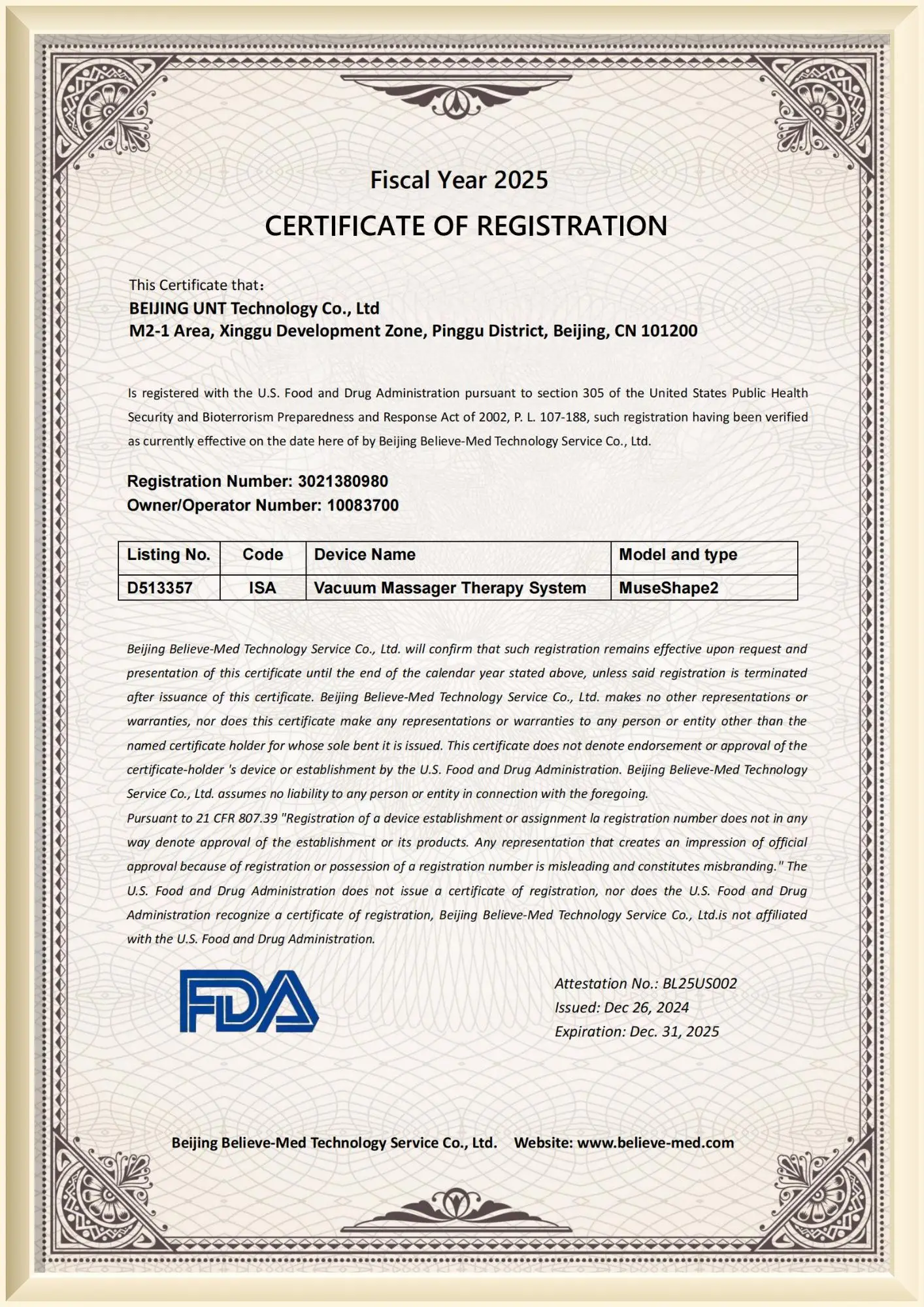
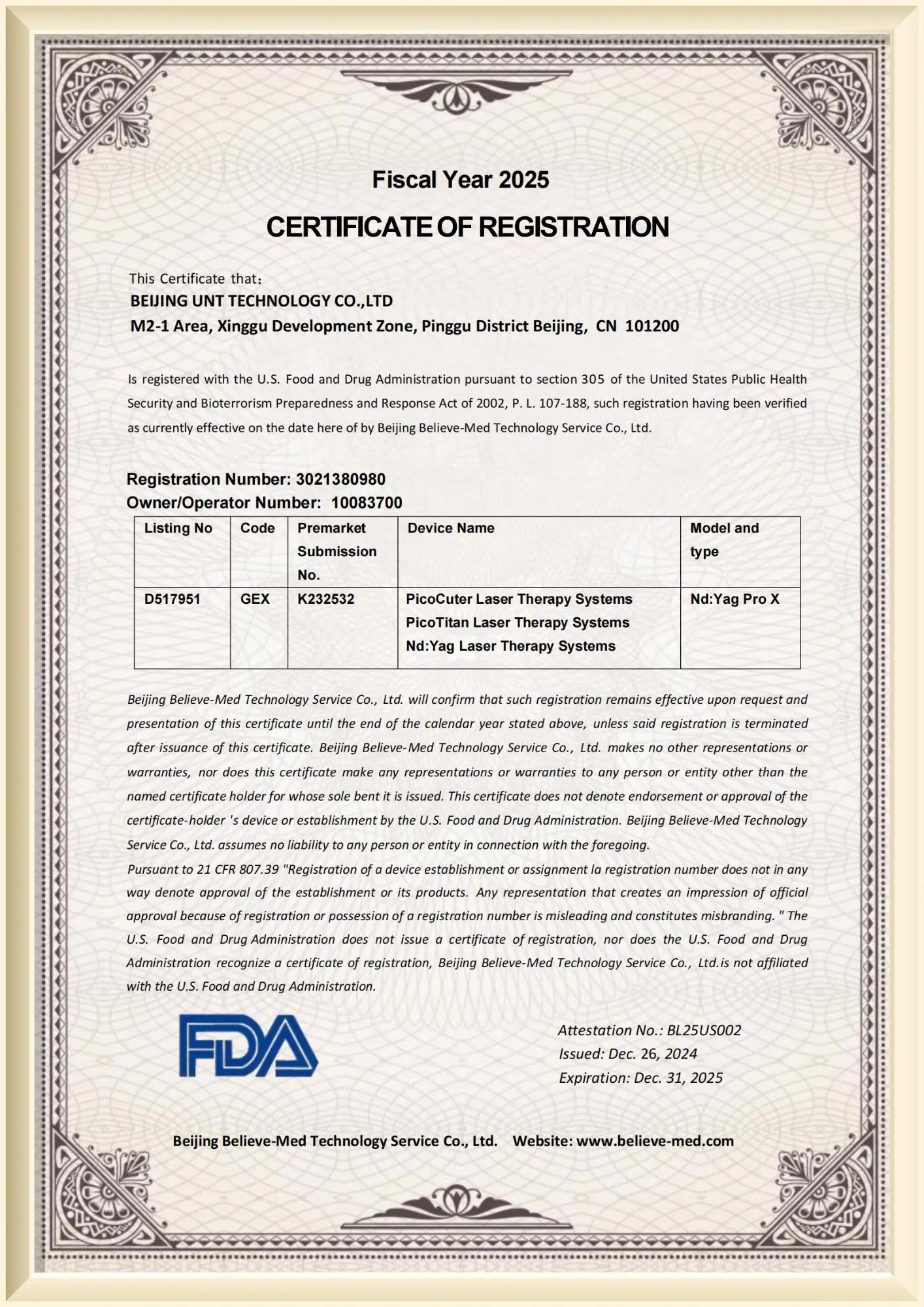
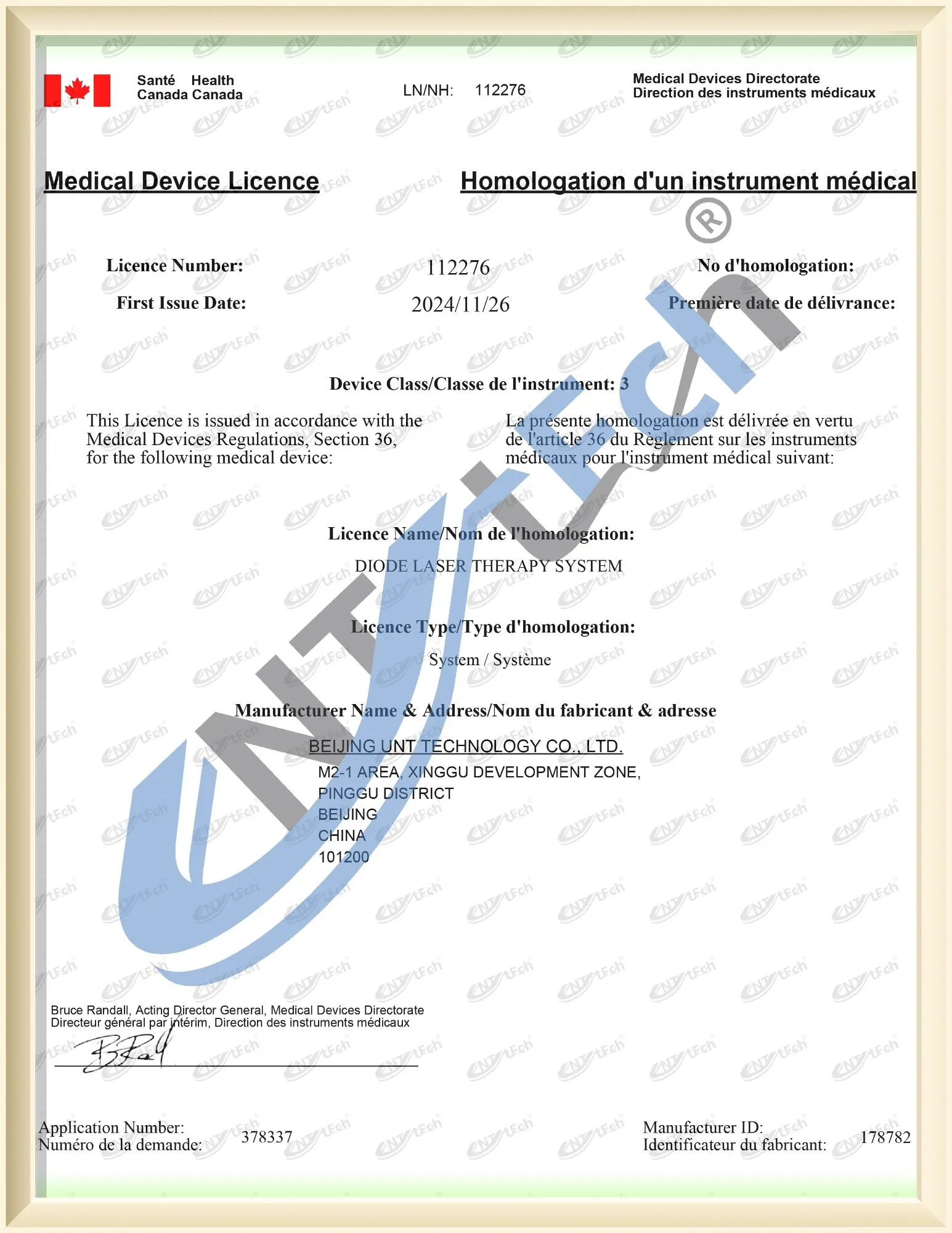
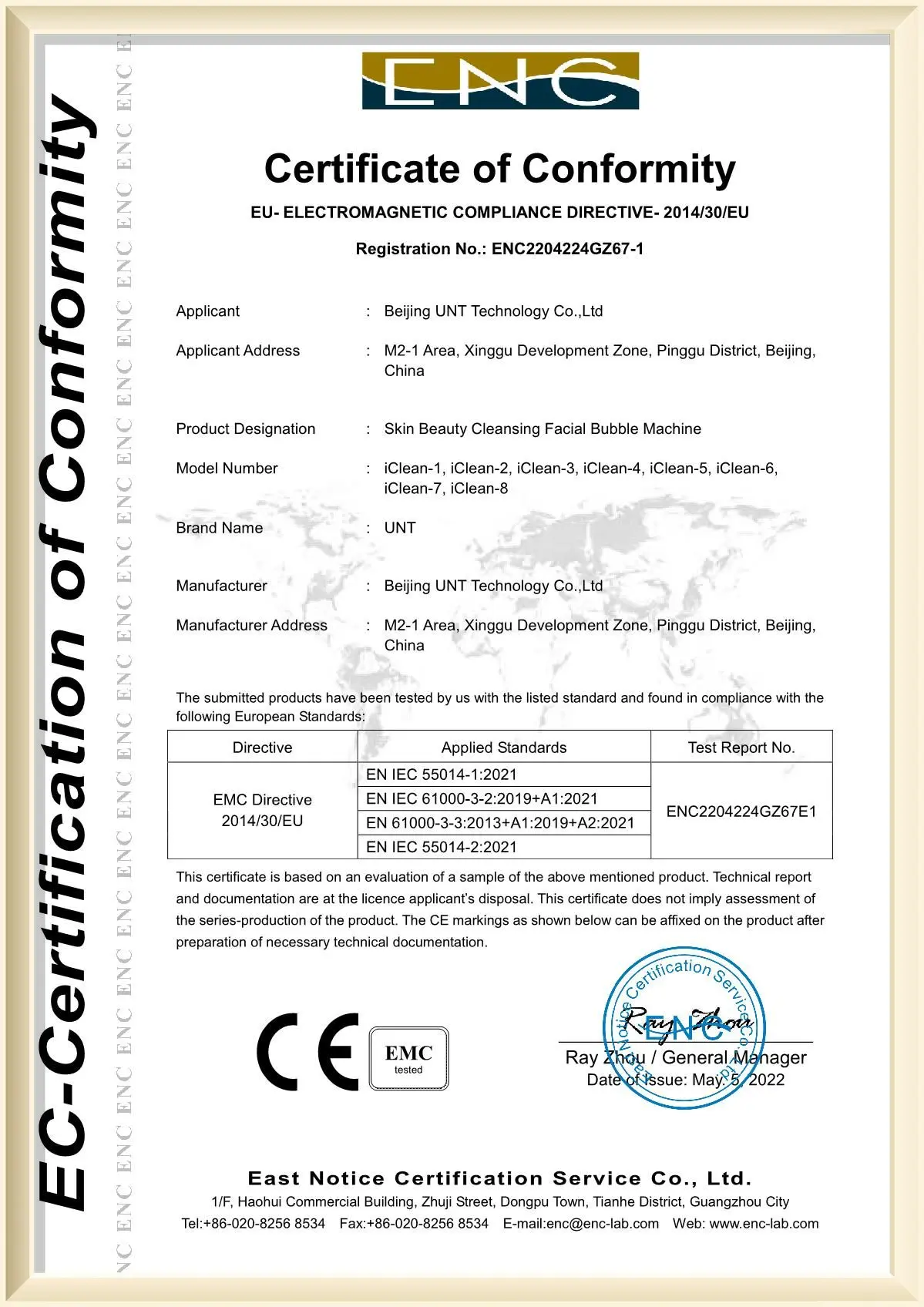
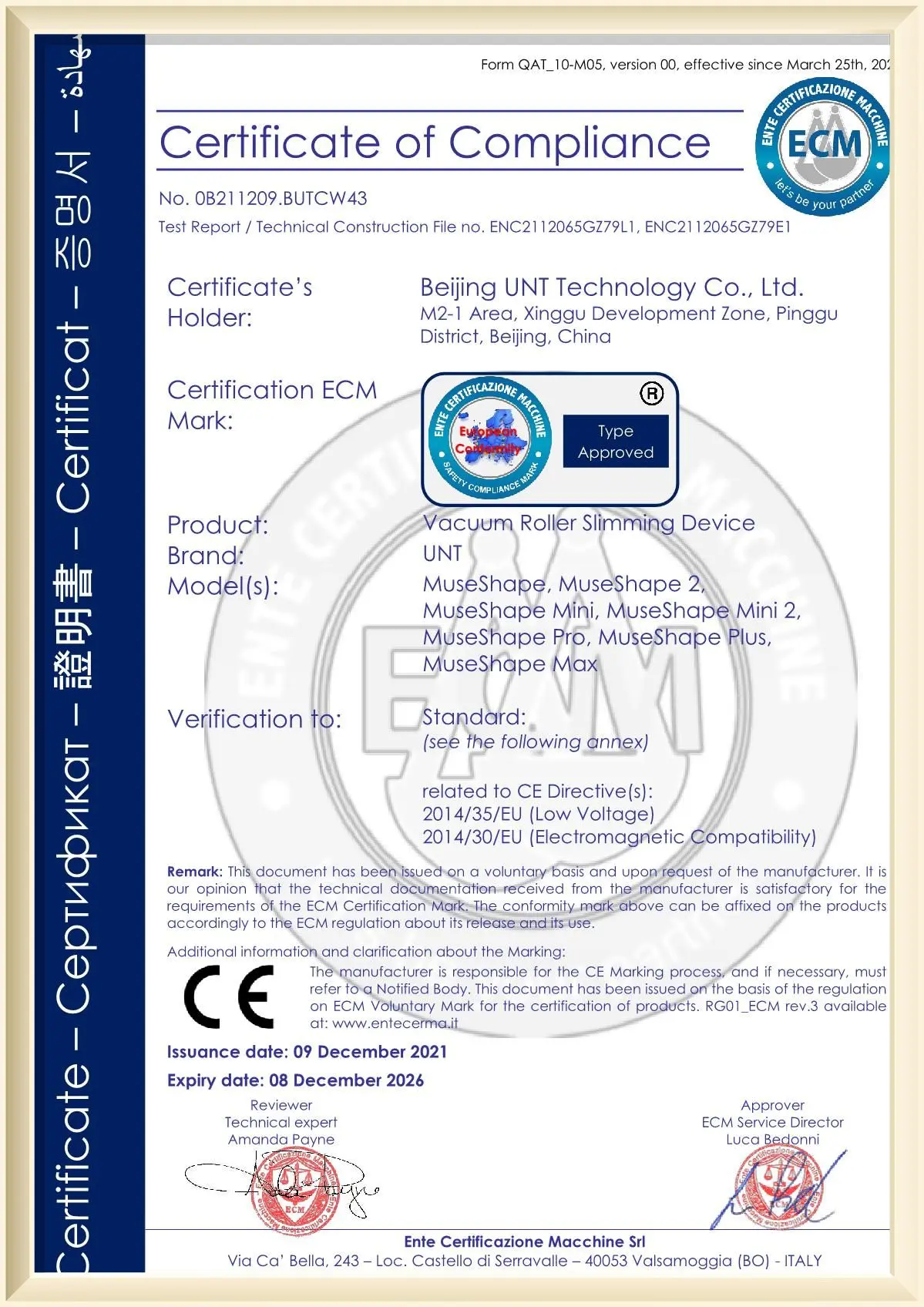
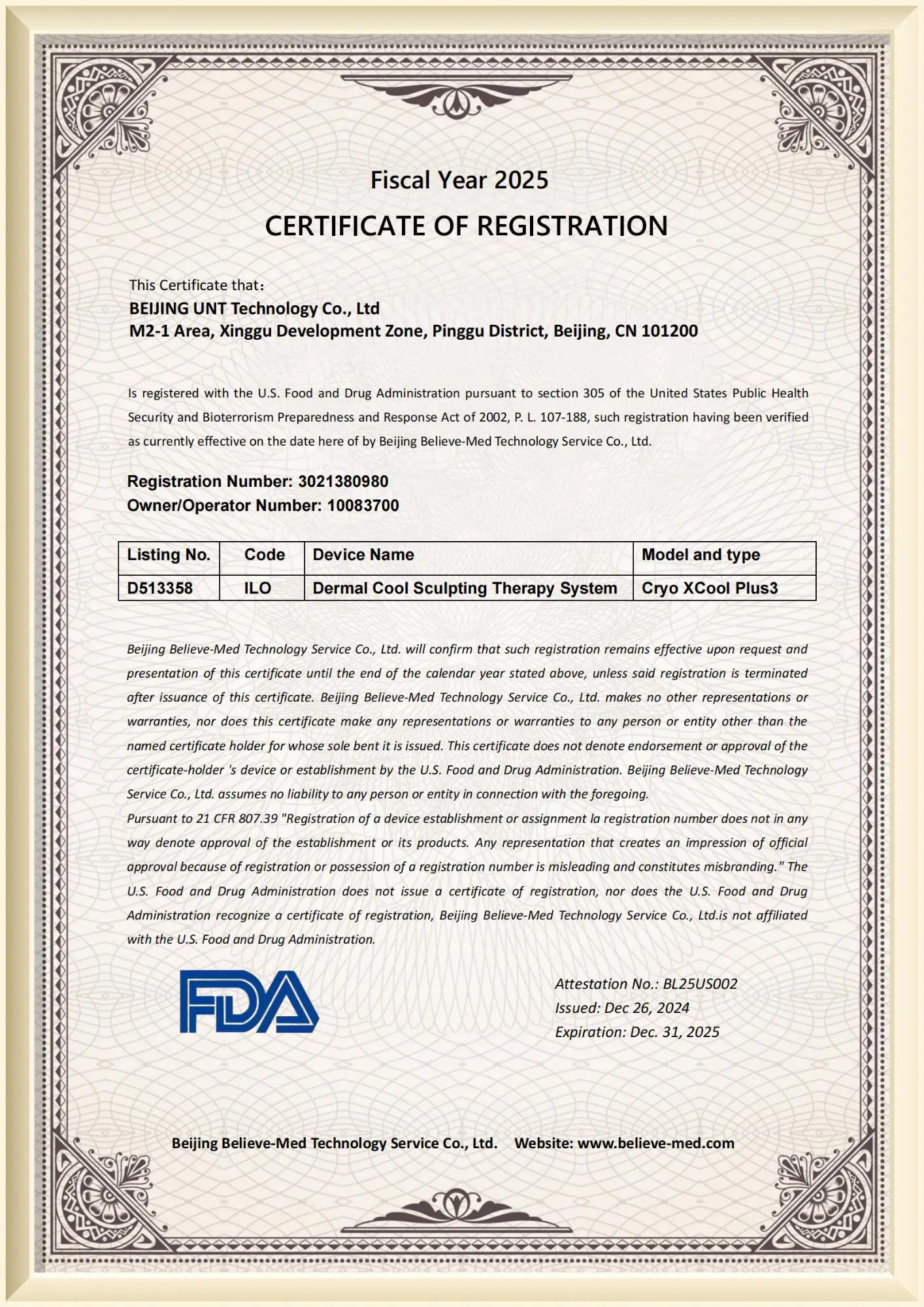
Regulatory Assurance from Beijing UNT Technology Co., Ltd.: Our production workflow is backed by ISO 13485 (Based on MDR), MDSAP (Medical Device Single Audit Program), FDA 510(k) clearances across multiple laser platforms, and Medical CE certification—ensuring zero regulatory friction for global distributors.
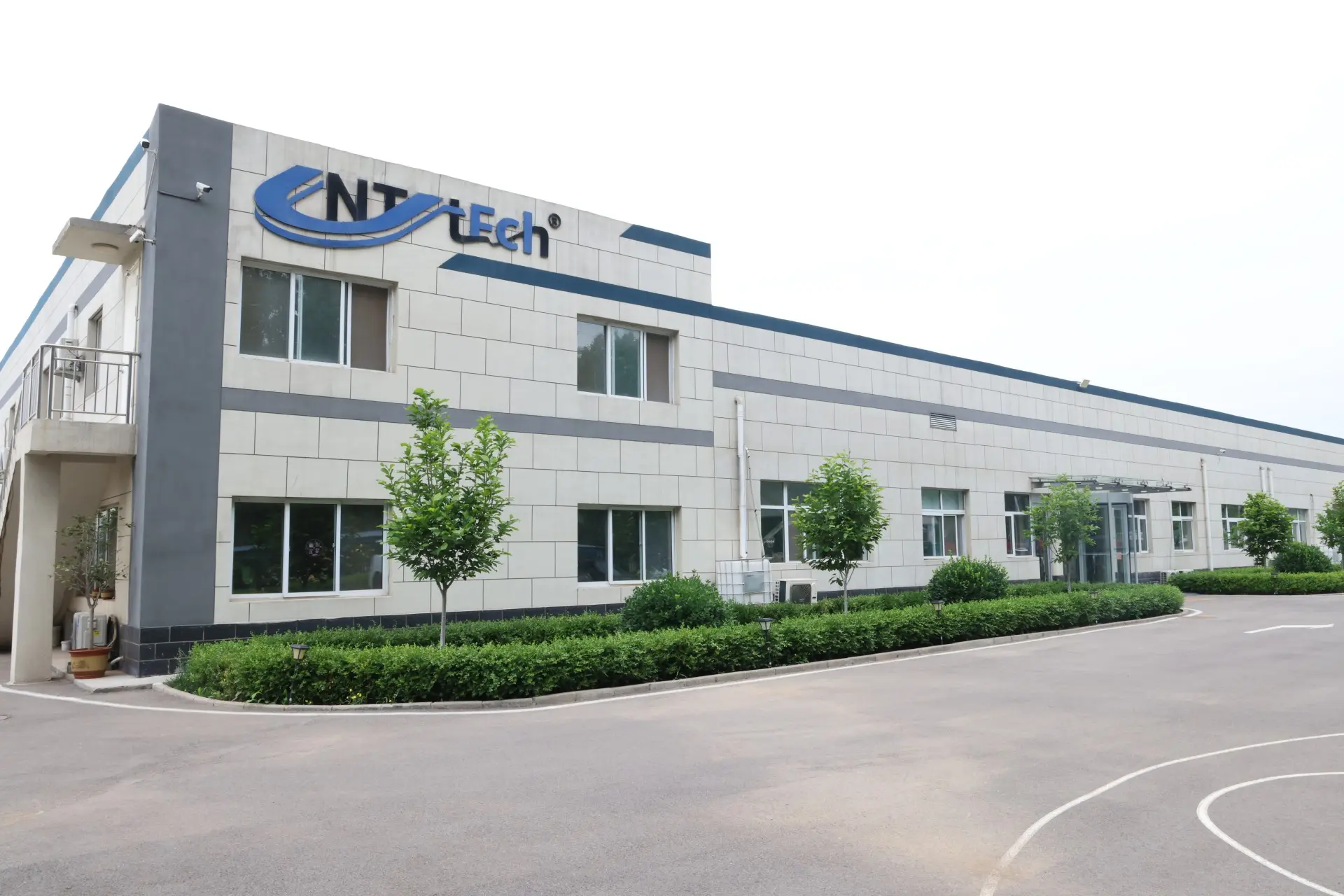
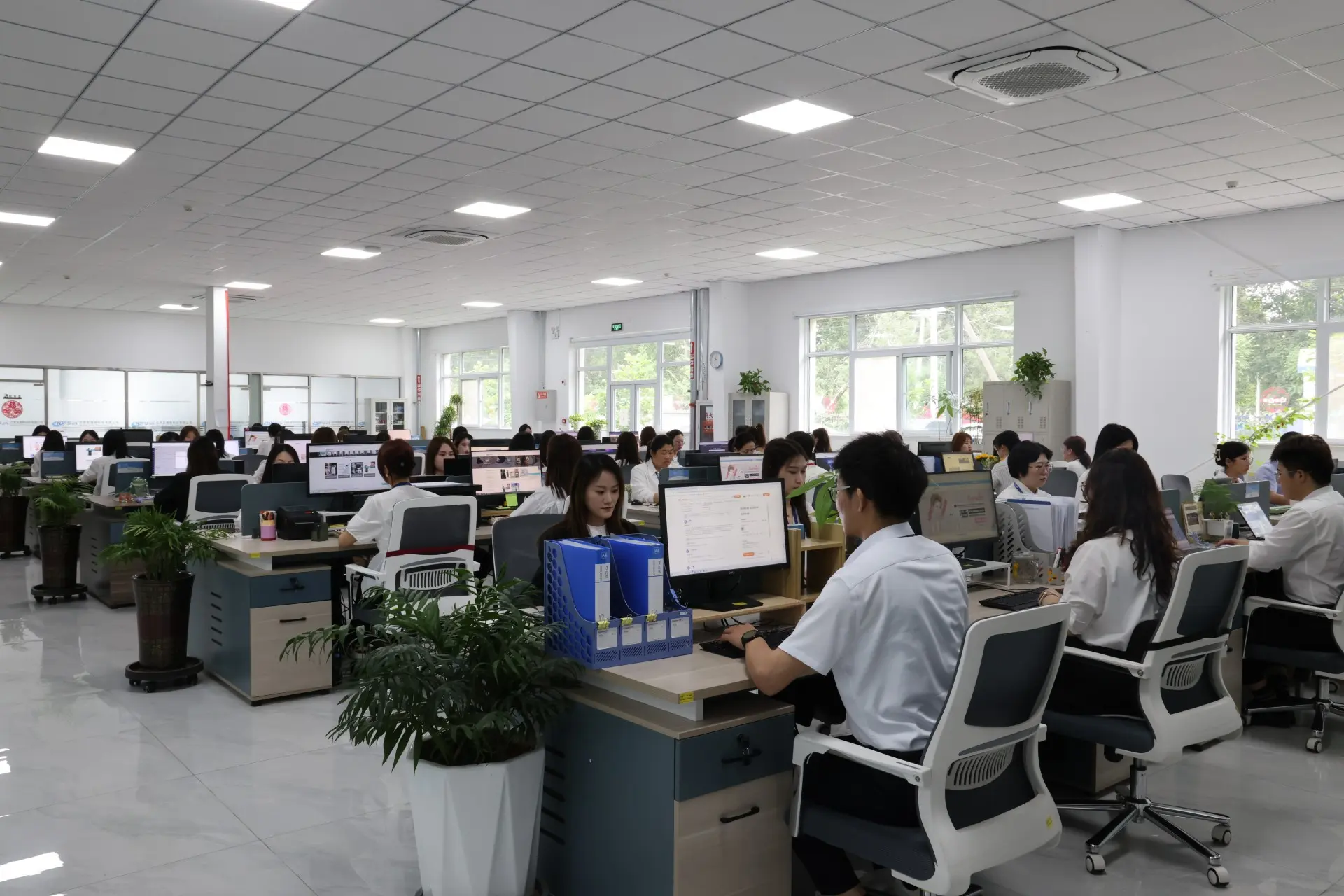
China has established itself as the global powerhouse for precision optical-electronic manufacturing. At the apex of this industrial revolution stands Beijing UNT Technology Co., Ltd., a high-tech enterprise dedicated to the research, development, production, and worldwide support of premium medical aesthetic systems.
Beijing UNT Technology’s laser devices integrate proprietary hardware innovations designed specifically to eliminate adverse after-effects while maximizing thermal damage to the follicle:
Our handles feature real-time active thermoelectric cooling (TEC) coupled with premium sapphire crystal tips. The contact skin surface temperature is maintained dynamically at a constant -16°C to -4°C, instantly chilling the epidermis before, during, and immediately after the laser pulse, rendering treatments completely painless and protecting the skin against burns.
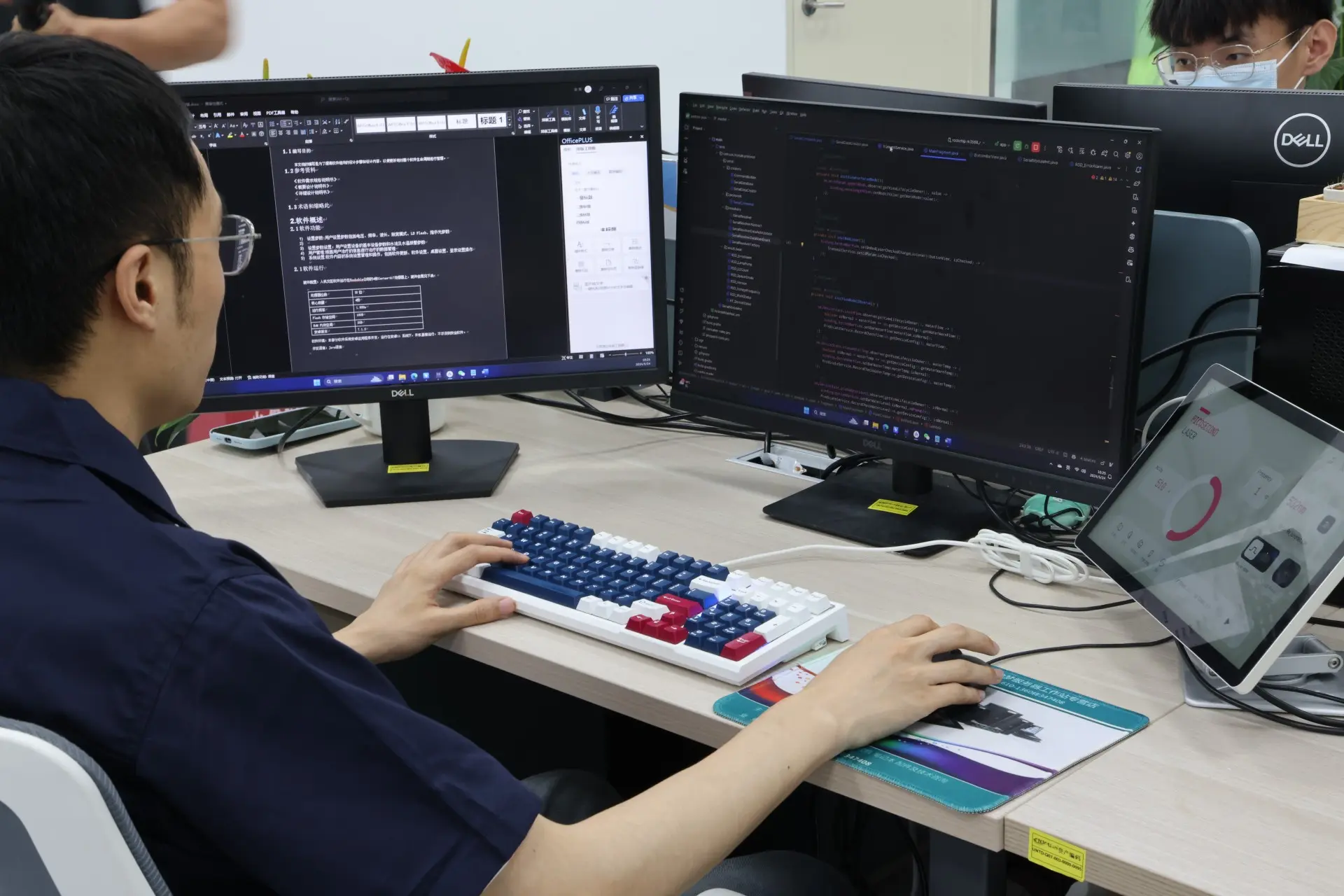
Pioneered by UNT in 2020, "SmartDepi" is the world’s first smart Android OS integrated into diode laser machines. It allows real-time clinical data logging, skin-type parameter calculation, target energy auto-calibration, and remote machine maintenance diagnostics to eliminate human operator error.
First introduced in 2017, UNT’s revolutionary "Alpha" series ergonomic applicator features a high-definition touch screen embedded directly on the handpiece. Clinicians can adjust fluence, pulse duration, cooling levels, and spot dimensions on the fly without interrupting the treatment workflow.
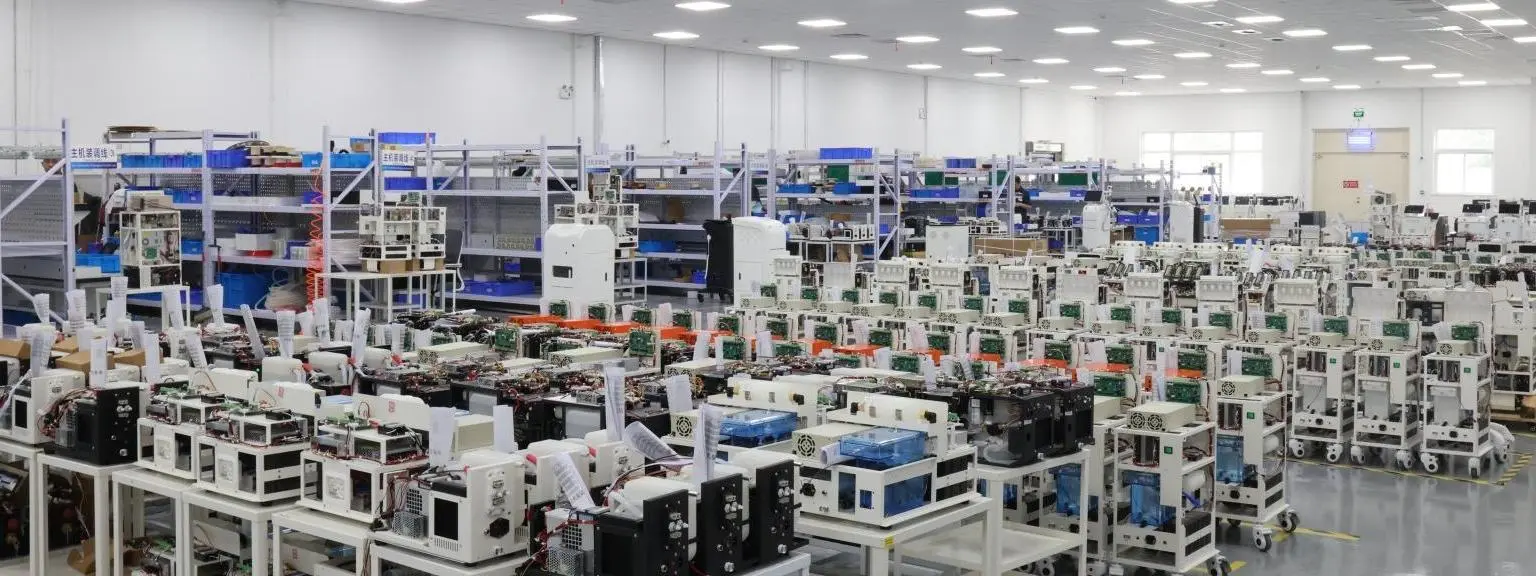
Spanning an impressive 6,000 square meters in Beijing, our comprehensive facility houses automated assembly lines, a 100-square-meter Class 7 ISO cleanroom for laser diode encapsulation, and strict vertical quality assurance protocols. Every single machine undergoes over 48 hours of continuous optical output testing, thermal fluctuation monitoring, and high-voltage stability checks prior to packaging.
Purchasing directly from an OEM/ODM China factory is seamless with Beijing UNT Technology’s robust international support infrastructure. We provide end-to-end logistics, local technical support, and extensive warranty frameworks to protect global B2B procurement partners.
Partnerships with world-class express couriers (DHL / FedEx / TNT / UPS / EMS) guarantee rapid door-to-door delivery within 3 to 5 business days globally, packaged in heavy-duty flight-safe aluminum cases.
To eliminate downtime for European clients, UNT established the "APEX" Service Center in the Netherlands. We offer local machine testing, live physical demonstrations, spare parts stock, and door-to-door engineering repair service across the EU zone.
Every CE certified system is backed by a full 2-year factory warranty and lifetime maintenance support. Our dedicated technical team operates 24/7, providing instant online remote diagnostics and video guidance classes.
Our regulatory portfolio enables frictionless authorization in European, North American, Latin American, Asia-Pacific, and Middle Eastern markets:

The global medical aesthetic laser market is evolving at an unprecedented pace. Key technological transformations are driven by demand for shorter treatment durations, zero pain, universal skin-type applicability, and smart connectivity.
Moving beyond single 808nm diode systems, modern platforms combine four complementary wavelengths within a single optical applicator. This allows simultaneous targeting of superficial hair shafts, deep follicular bulbs, and vascular papillae across Fitzpatrick types I through VI.
Integrating artificial intelligence into machine operating systems allows automatic sensing of hair density, melanin index, and local skin moisture. Devices adjust pulse duration and peak power output dynamically to optimize efficacy while completely eliminating thermal after-effect risks.
Traditional high-power lasers produce substantial acoustic noise from high-pressure water pumps and cooling fans. UNT’s latest "Super Silent" Diode Laser Series employs advanced liquid-cooling loops and sound-dampened compressors, creating a serene, luxury clinical environment.
For chain medspas, global distributors, and brand owners seeking to launch proprietary laser brands, Beijing UNT Technology provides a completely vertical OEM/ODM manufacturing pipeline.
Custom machine chassis sculpting, dynamic LED ambient lighting, injection molding color match, and private logo laser engraving.
Bespoke Android user interface development, multi-language localization (supporting 16+ global languages), custom boot animation, and operational parameter presets.
Custom laser stack power outputs (808W up to 2400W), interchangeable magnetic spot sizes, dual-handle system integration, and custom cooling module sizing.
| Evaluation Dimension | UNT Factory-Direct OEM/ODM Supply | Third-Party Regional Distributors |
|---|---|---|
| Capital Efficiency | Direct factory pricing without intermediary markups; up to 60% procurement cost savings. | Inflated pricing due to multi-layer distributor margins and logistics surcharges. |
| Customization Agility | Full access to R&D optical engineers, software source code, and custom hardware builds. | Locked off-the-shelf configurations with no branding or parameter flexibility. |
| Regulatory Support | Direct access to factory technical construction files (TCF), CE, FDA, and ISO documentation. | Secondary certificates with delayed regulatory update cycles. |
| After-Sales Execution | Direct factory engineering support + APEX Netherlands regional hub support. | Variable technical capability dependent on local third-party repair contracts. |
Over a decade of pioneering advances in medical and aesthetic equipment design:
Incorporation: UNT was registered and established in Beijing and HK, China, establishing core optical R&D teams.
IPL Innovation: UNT independently developed its first generation IPL therapy device platform with enhanced pulse stability.
Alpha Handle Release: Developed diode laser operation handle with integrated touch screen control, named "Alpha".
Laser Portfolio Expansion: Successfully launched a comprehensive series of high-power medical and beauty laser equipment.
SmartDepi System: Launched global first Android Operating System embedded into Diode laser equipment for smart clinical management.
Factory Expansion: Scaled office and production space to 6,000 square meters, expanding workforce to 130+ specialized employees.
US FDA Clearances: Secured 4 US FDA 510(k) clearances across diode laser, body sculpting, Nd:YAG, and cryolipolysis platforms.
MDR CE & APEX EU Hub: Achieved ISO13485 (MDR) and MDSAP certifications; launched European APEX Service Center in Netherlands.
Explore authoritative answers to the most frequent clinical, technical, and supply chain queries raised by aesthetic clinic owners, physicians, and medical equipment distributors.
 UNT TECH