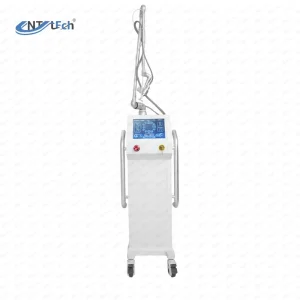
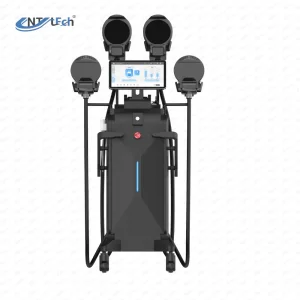
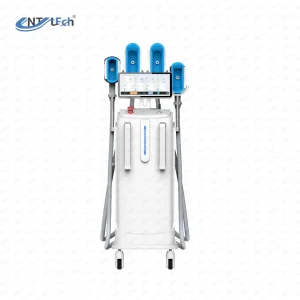
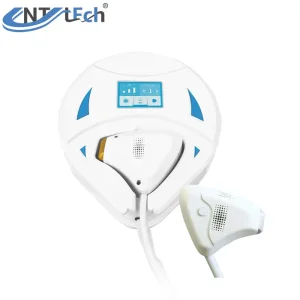
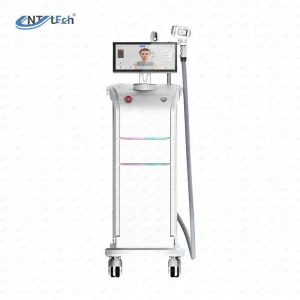
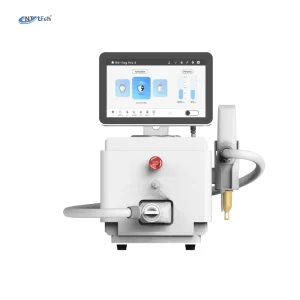
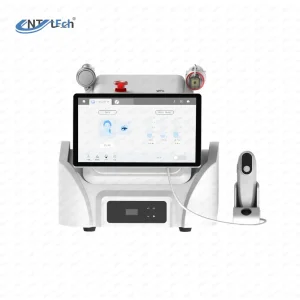
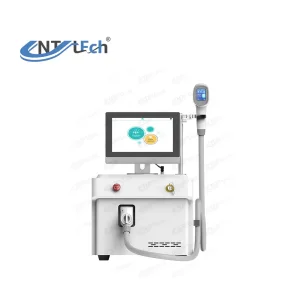
The global medical aesthetic device market is experiencing a profound transition driven by advancement in pulse duration technology. Traditional Q-switched nanosecond lasers, long considered the standard for dermatological ink fragmentation, are increasingly being replaced by sub-nanosecond Picosecond (Pico) Laser technology. As a premier CE-certified Pico Laser tattoo removal factory and international OEM/ODM supplier, Beijing UNT Technology Co., Ltd. sits at the intersection of optoelectronic engineering and clinical recovery science.
The mechanics of laser tattoo removal rely on selective photothermolysis. However, standard nanosecond pulses (10-9 seconds) deliver energy that relies heavily on photothermal action, transferring substantial heat to surrounding dermal tissues. This often induces thermal damage, epidermal blistering, prolonged downtime, and elevated risks of Post-Inflammatory Hyperpigmentation (PIH). Conversely, ultra-short picosecond pulses (10-12 seconds) generate an intense photomechanical shockwave. This acoustic effect shatters ink pigments into microscopic dust-like particles without excessive thermal accumulation.
Effective ink removal requires understanding both photon absorption kinetics and post-irradiation tissue repair. When picosecond laser energy hits tattoo pigment, localized pressure surges exceed the stress threshold of ink particles, causing micro-fragmentation. Subsequently, the body's lymphatic system clears these minute particles via macrophage phagocytosis.
Immediate application of integrated chilled air stream (via specialized air cooler heads) to suppress acute erythema and prevent thermal diffusion into the dermo-epidermal junction.
Post-treatment application of occlusive lipid ointments enriched with medical-grade panthenol, hyaluronic acid, and growth factors to rebuild stratum corneum integrity.
Strict broad-spectrum UV protection (SPF 50+ mineral blockers) and anti-tyrosinase agents to protect melanocytes from post-laser hyper-activation in darker Fitzpatrick scale skins.
Systemic hydration and localized mild pressure aftercare protocols designed to accelerate macrophage removal of fragmented ink debris across 4-6 week intervals.
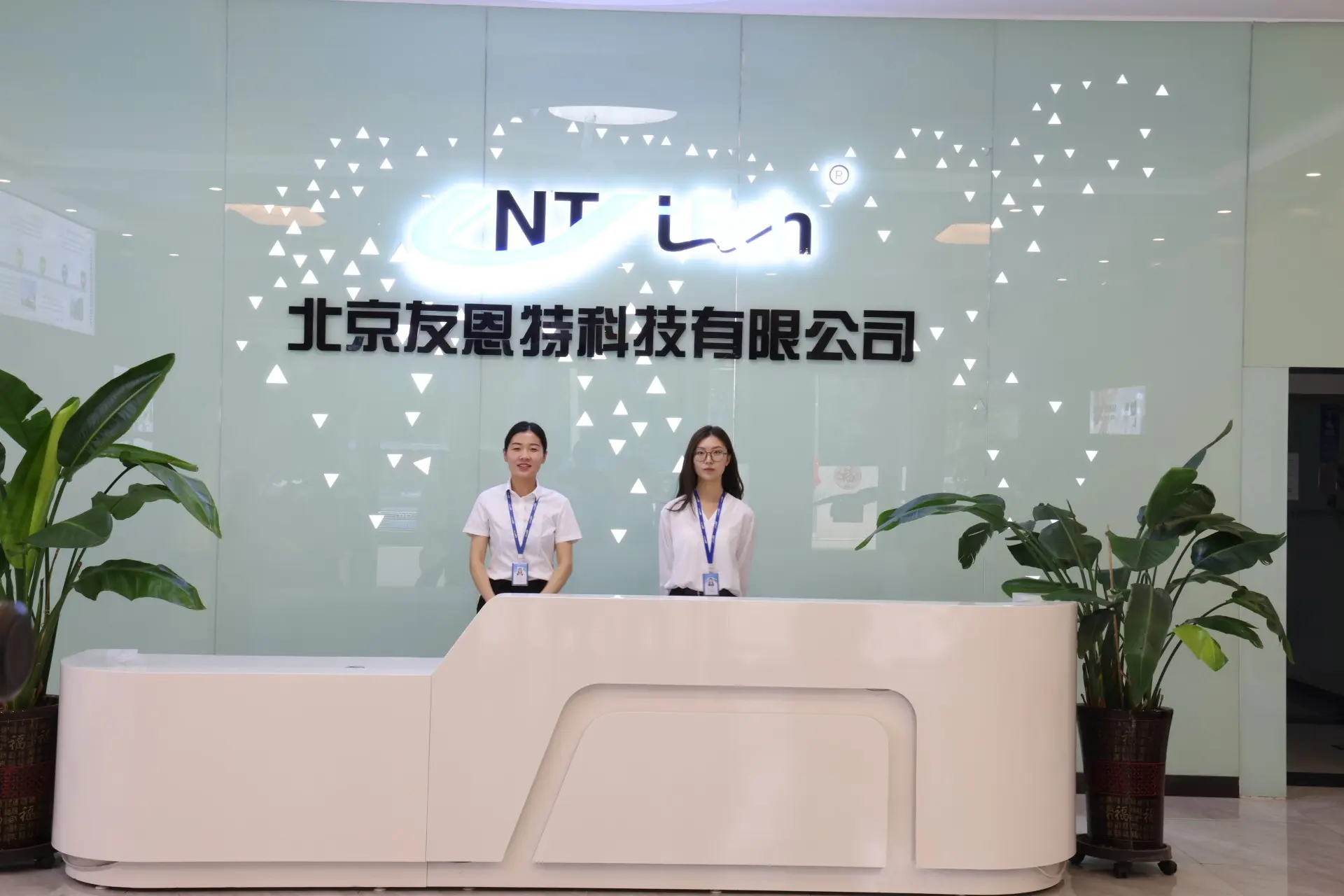
In the dynamic and ever-evolving landscape of the global medical and aesthetic equipment industry, Beijing UNT Technology Co., Ltd. has emerged as a trailblazer, setting new standards for innovation, quality, and customer service. As a high-tech enterprise, our commitment to excellence is reflected in every aspect of our operations—from photonics research and development to precision assembly, rigorous quality assurance, and worldwide after-sales ecosystems.
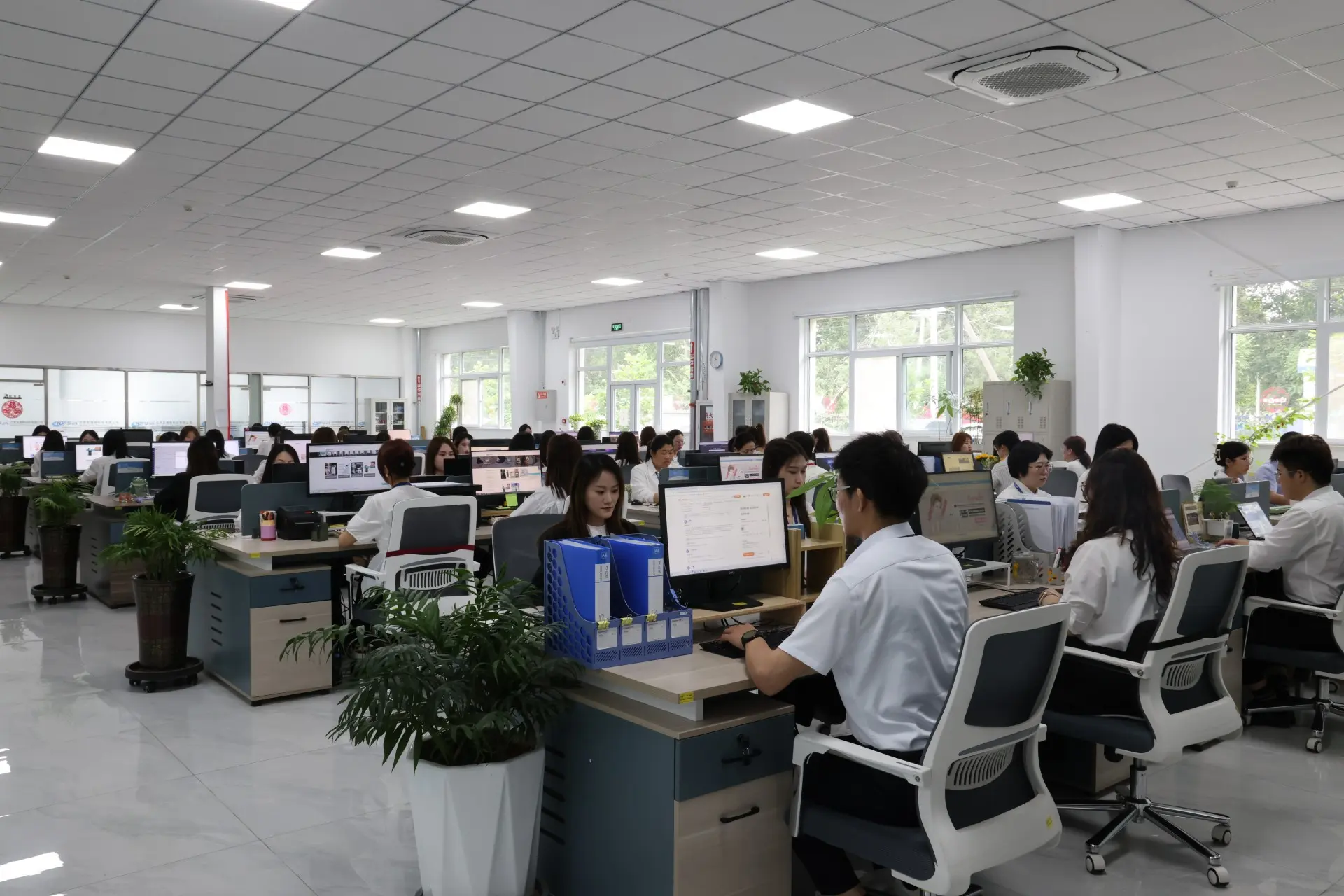
Founded in 2012, UNT Technology has expanded to encompass a state-of-the-art 6,000 square meter office and production complex in Beijing, China, employing over 130 highly qualified technicians, optical engineers, and clinical specialists.
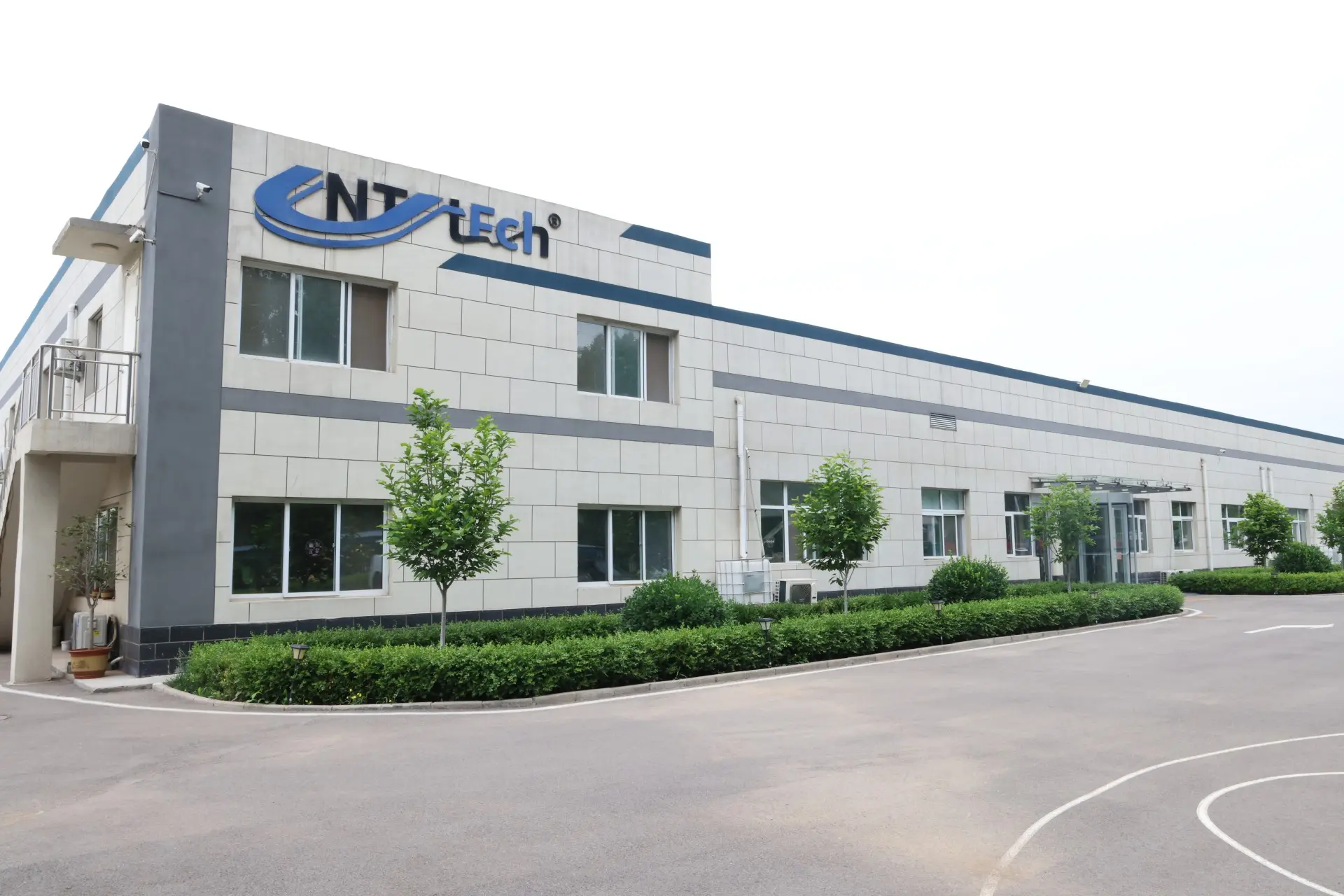

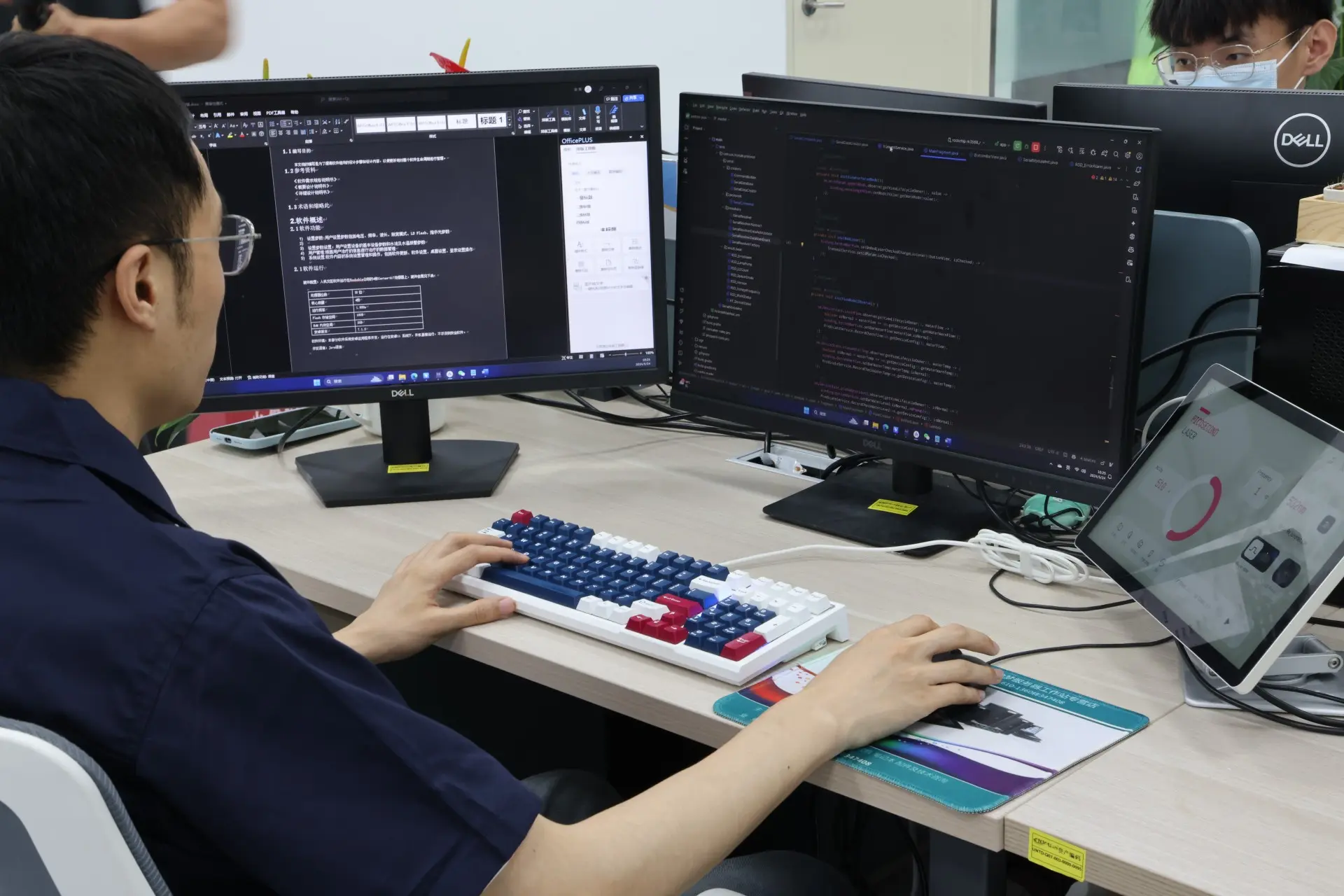
Our dedicated R&D team works tirelessly to pioneer non-invasive aesthetic systems that enhance physical wellness while maximizing clinical efficacy.

At the forefront of aesthetic science, we engineer systems that minimize downtime while accelerating cellular recovery and tissue repair.

From 532nm and 1064nm Nd:YAG to 755nm Alexandrite wavelengths, our laser line resolves vascular lesions, hyperpigmentation, tattoo ink, and collagen remodeling.

Every handpiece and software operating system is engineered to deliver optimal clinical outcomes with minimal discomfort and operational downtime.
Complementing UNT's R&D capabilities is our 6,000 m² cleanroom manufacturing facility in Beijing. The plant integrates lean manufacturing practices to eliminate material waste, streamline assembly timelines, and deliver precision-calibrated laser modules to global distributors and clinic networks.
| Manufacturing Stage | Operational Protocol & Standards | Quality Control & Validation Method |
|---|---|---|
| 1. Design Validation | CAD/CAM optical design, 3D rapid prototyping, ergonomic modeling | Beam profile analysis, mechanical stress load test, thermal dispersion modeling |
| 2. Cleanroom Assembly | ISO Class 7 cleanroom environment (100 m² localized ultra-clean zone) | Dust particle counter verification, sterile optics mounting, anti-static protocols |
| 3. Optoelectronic Tuning | Laser chamber alignment, high-voltage power supply calibration | Energy meter verification across 1064nm, 532nm, and 755nm output channels |
| 4. Full Lifecycle Traceability | Unique SN barcode assigned to every laser handpiece and mainboard | Digital ERP logging for instant global field tracking and maintenance history |
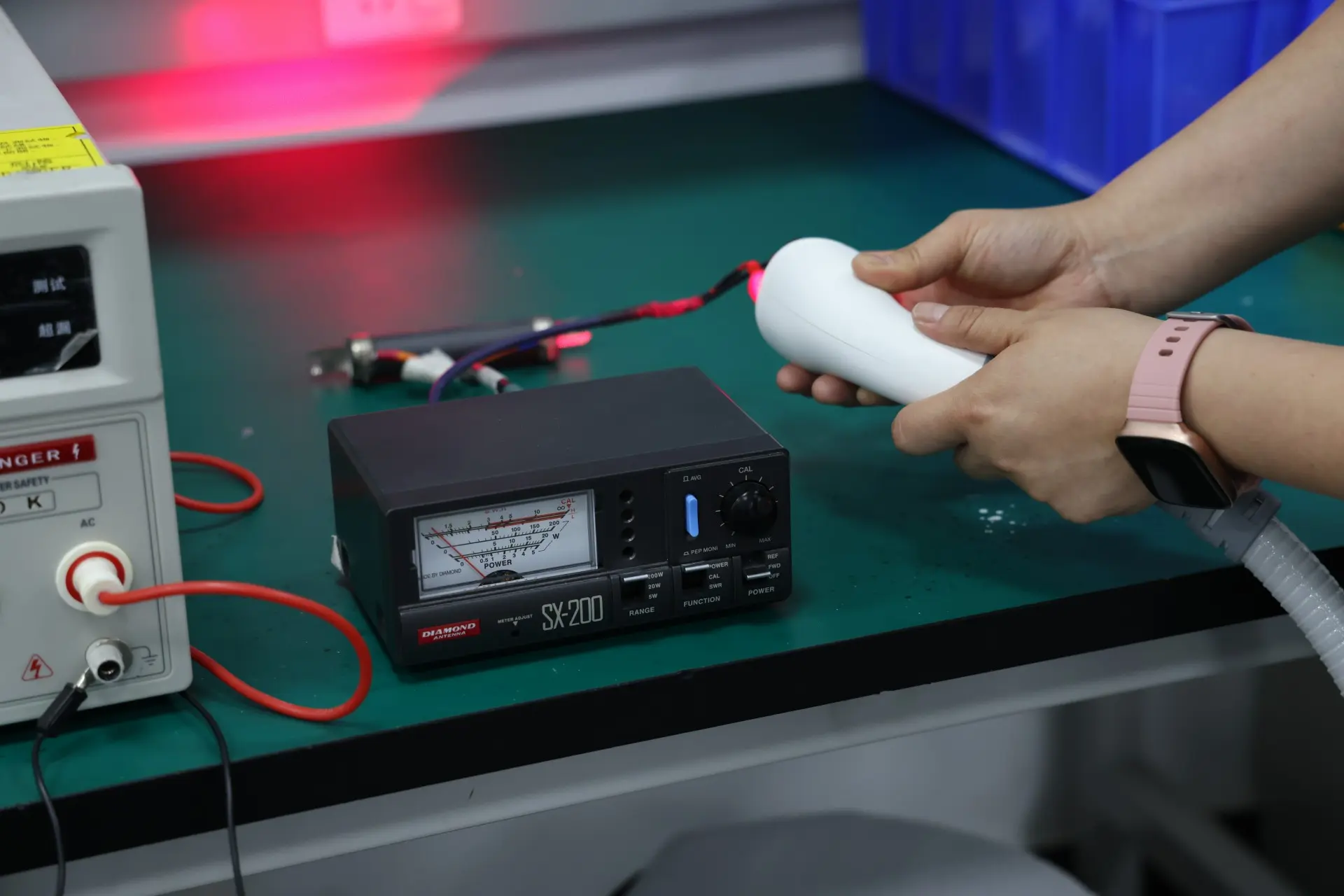
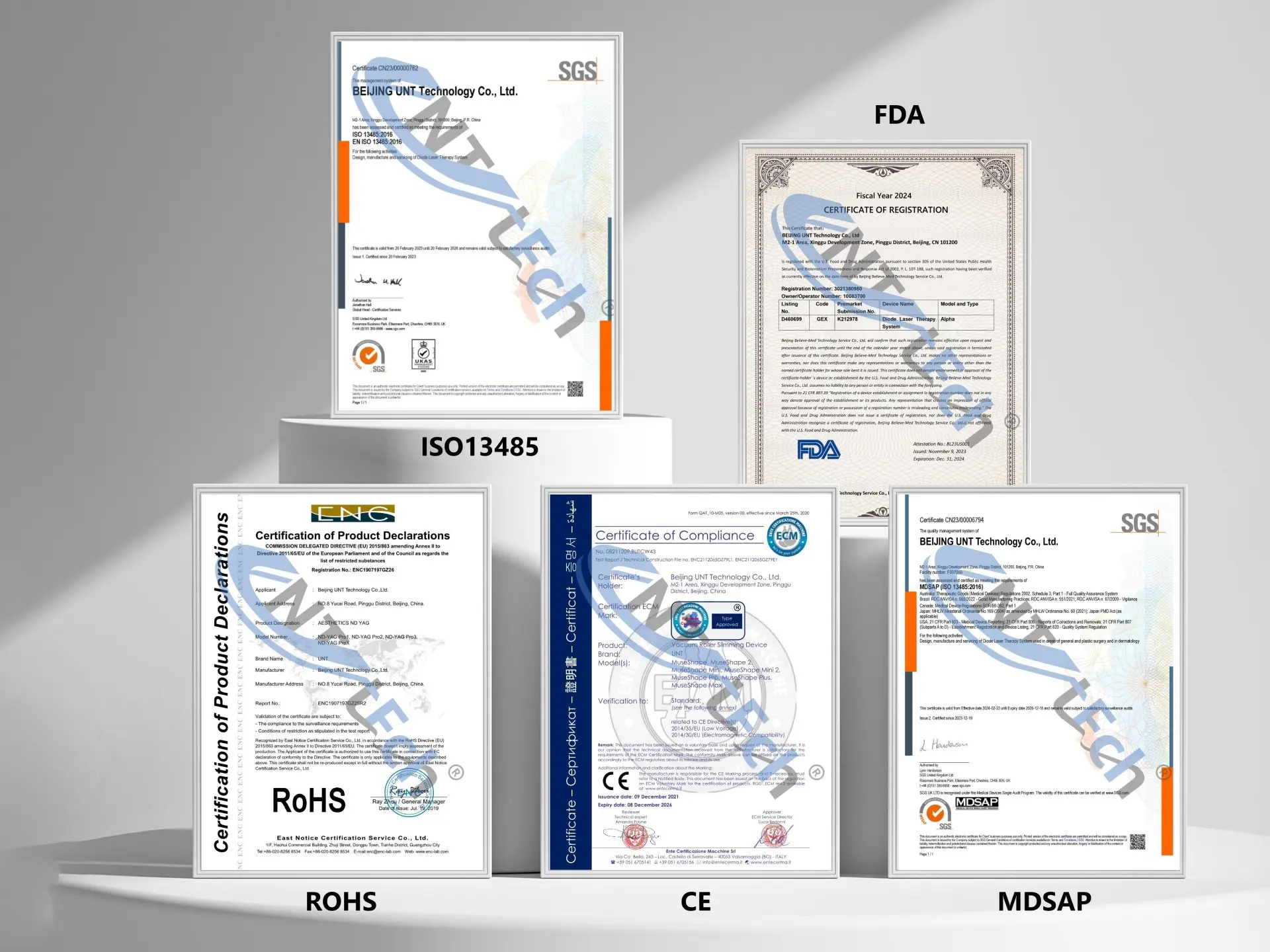
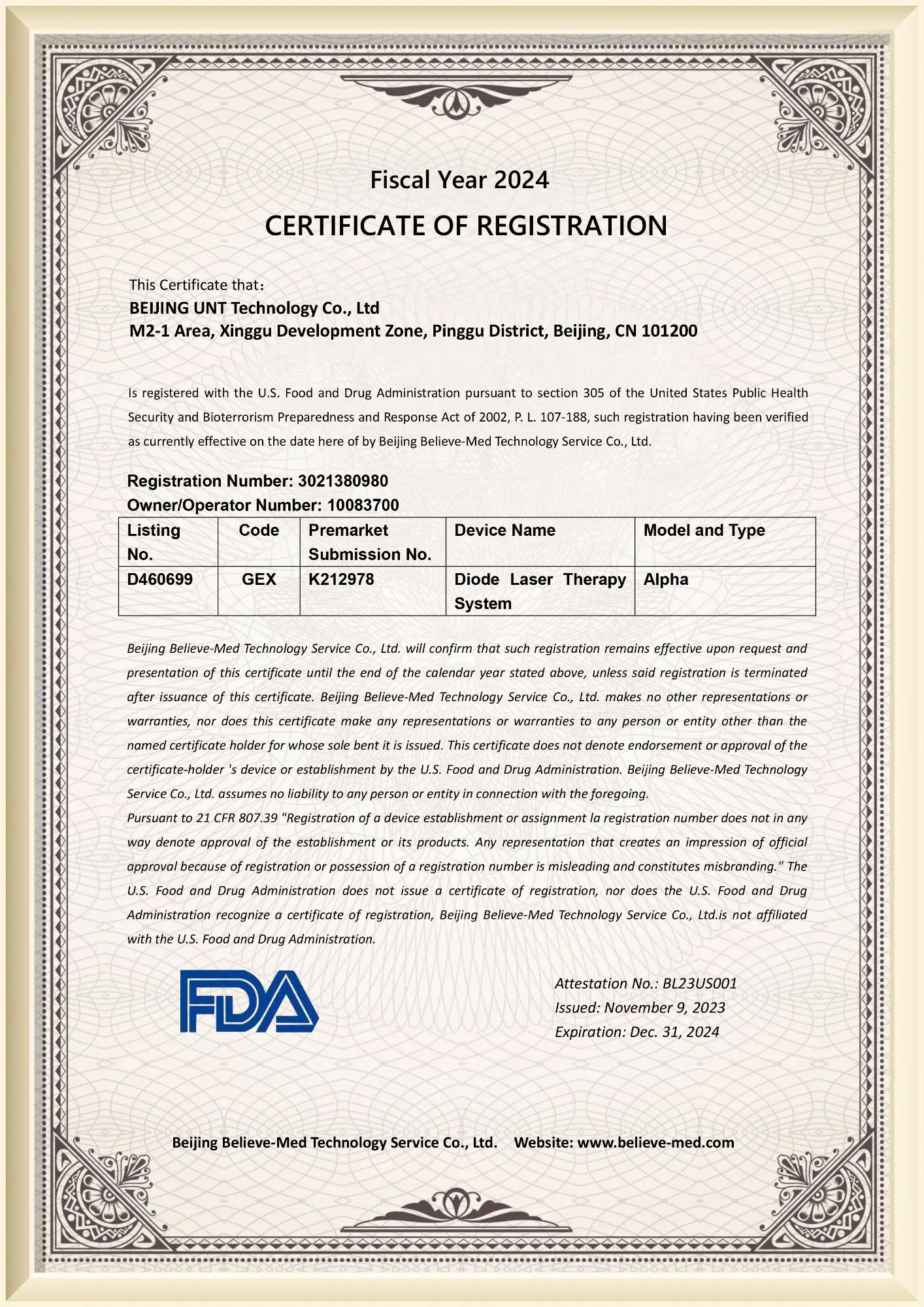
Regulatory rigor forms the cornerstone of UNT Technology’s corporate identity. To support global B2B partners, OEM brands, and medical chains, our medical equipment holds extensive international certifications, facilitating smooth local market entry and regulatory conversion.
European Union Medical Compliance
Medical Devices Quality Management
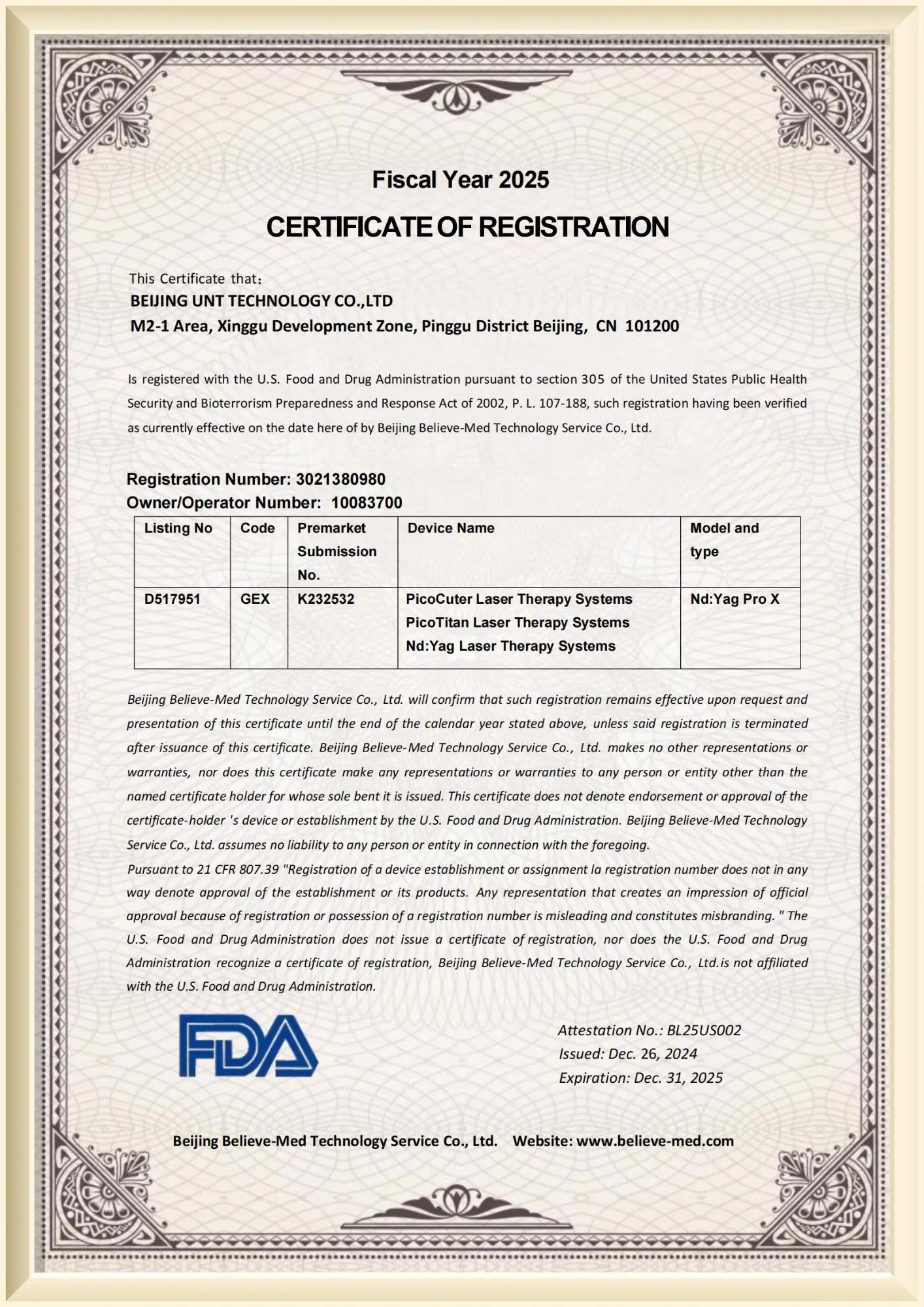
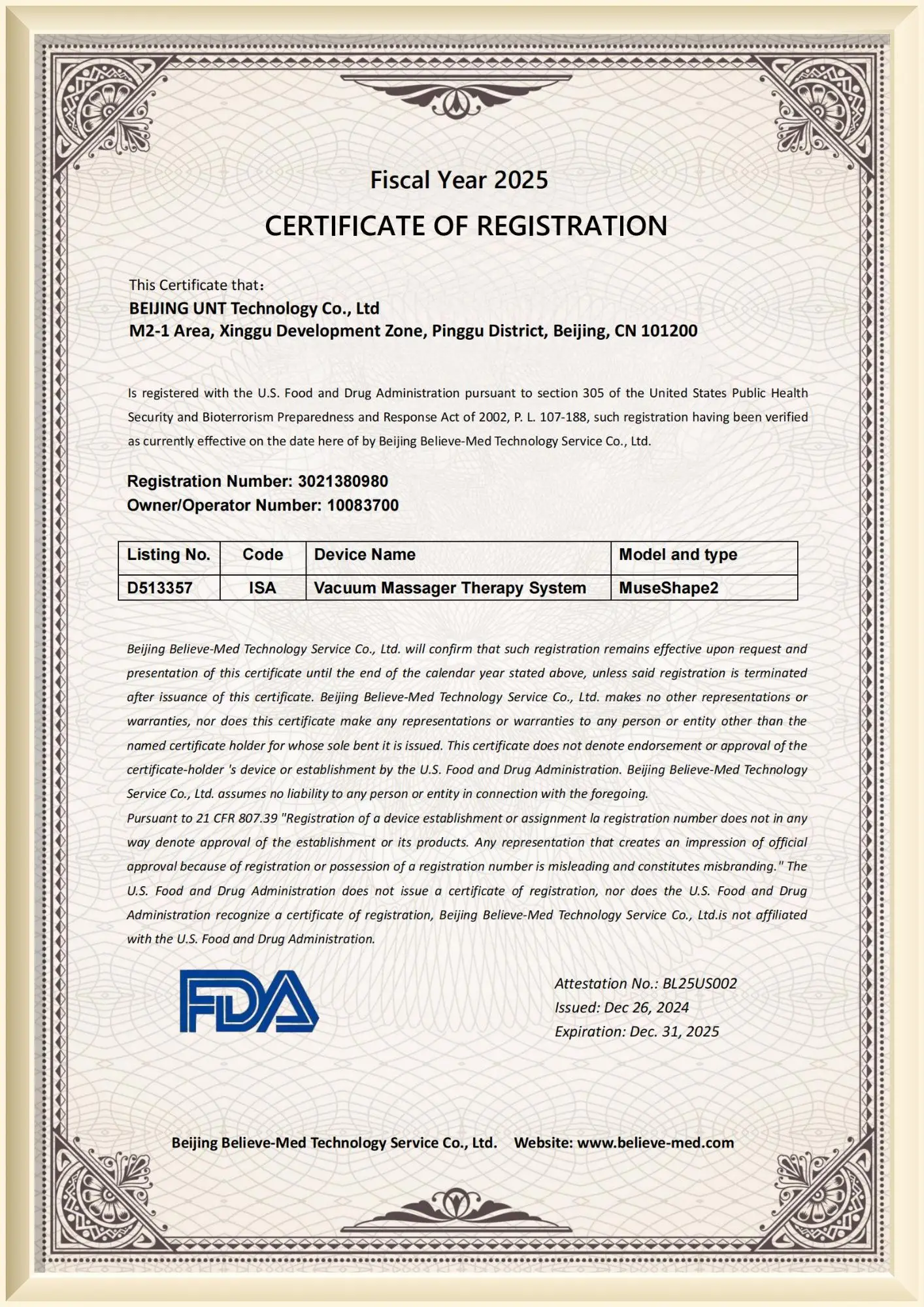
United States Market Authorization
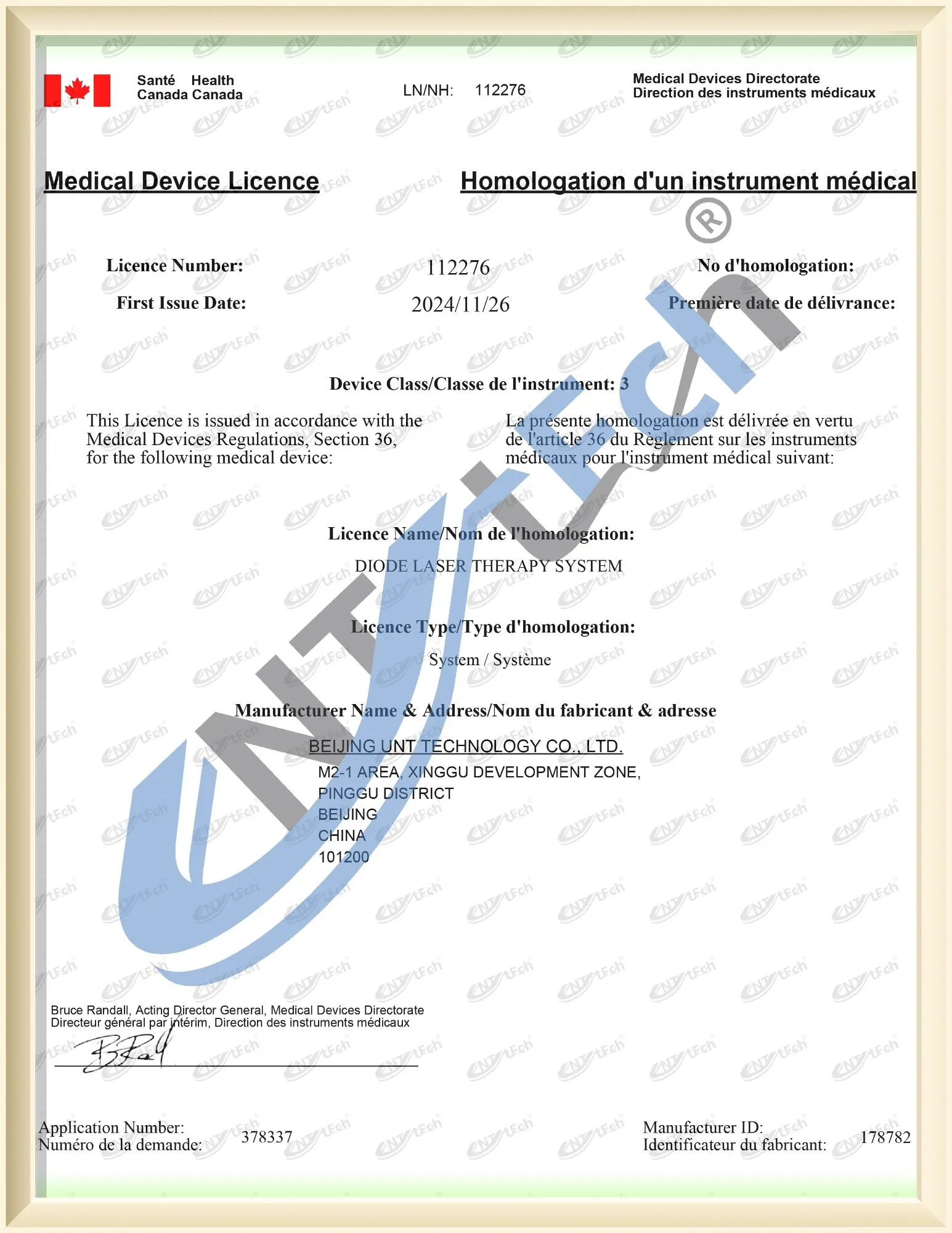
Single Audit (US, Canada, Aus, Japan)

Therapeutic Goods Administration
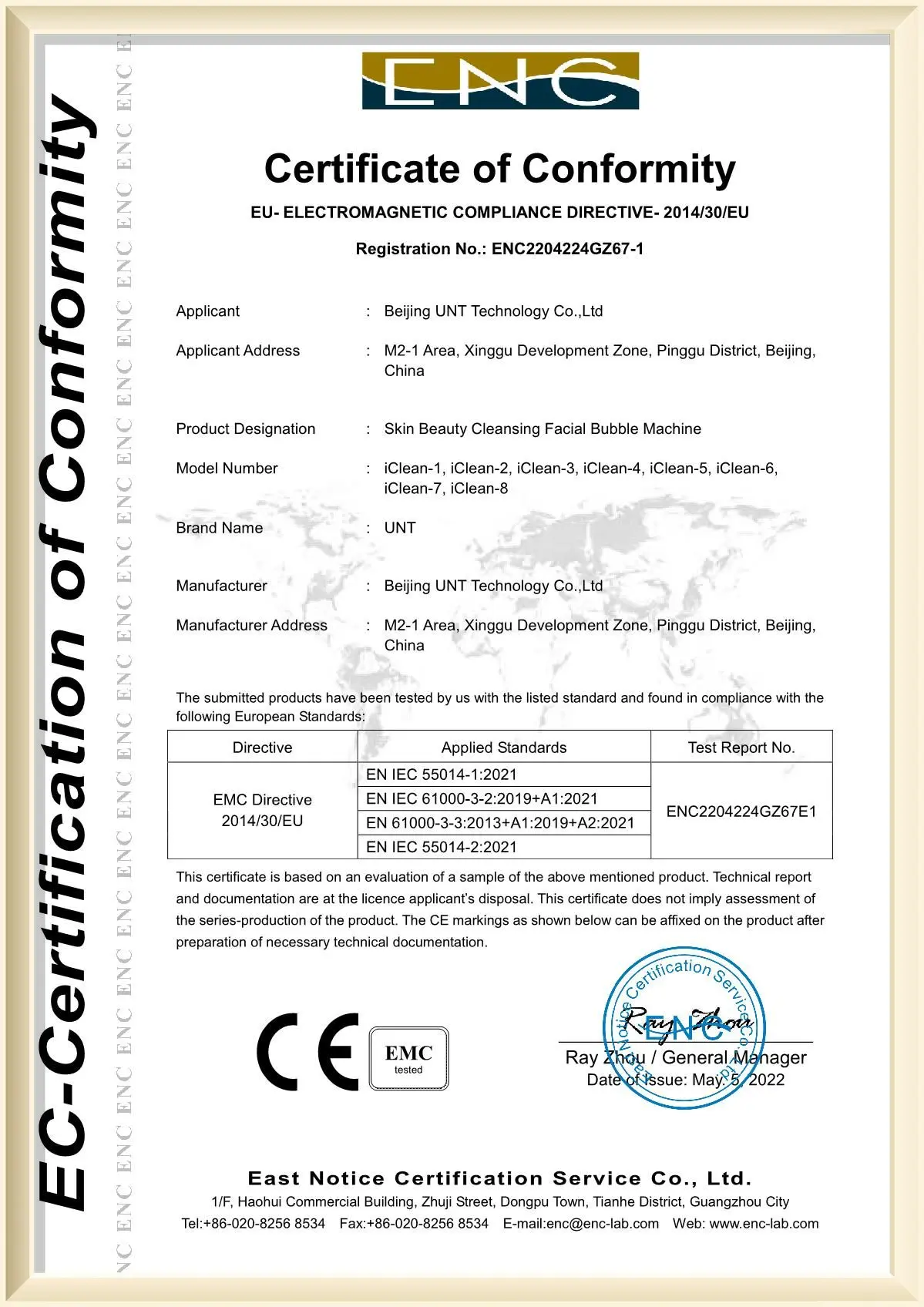
Electrical & Laser Safety Testing
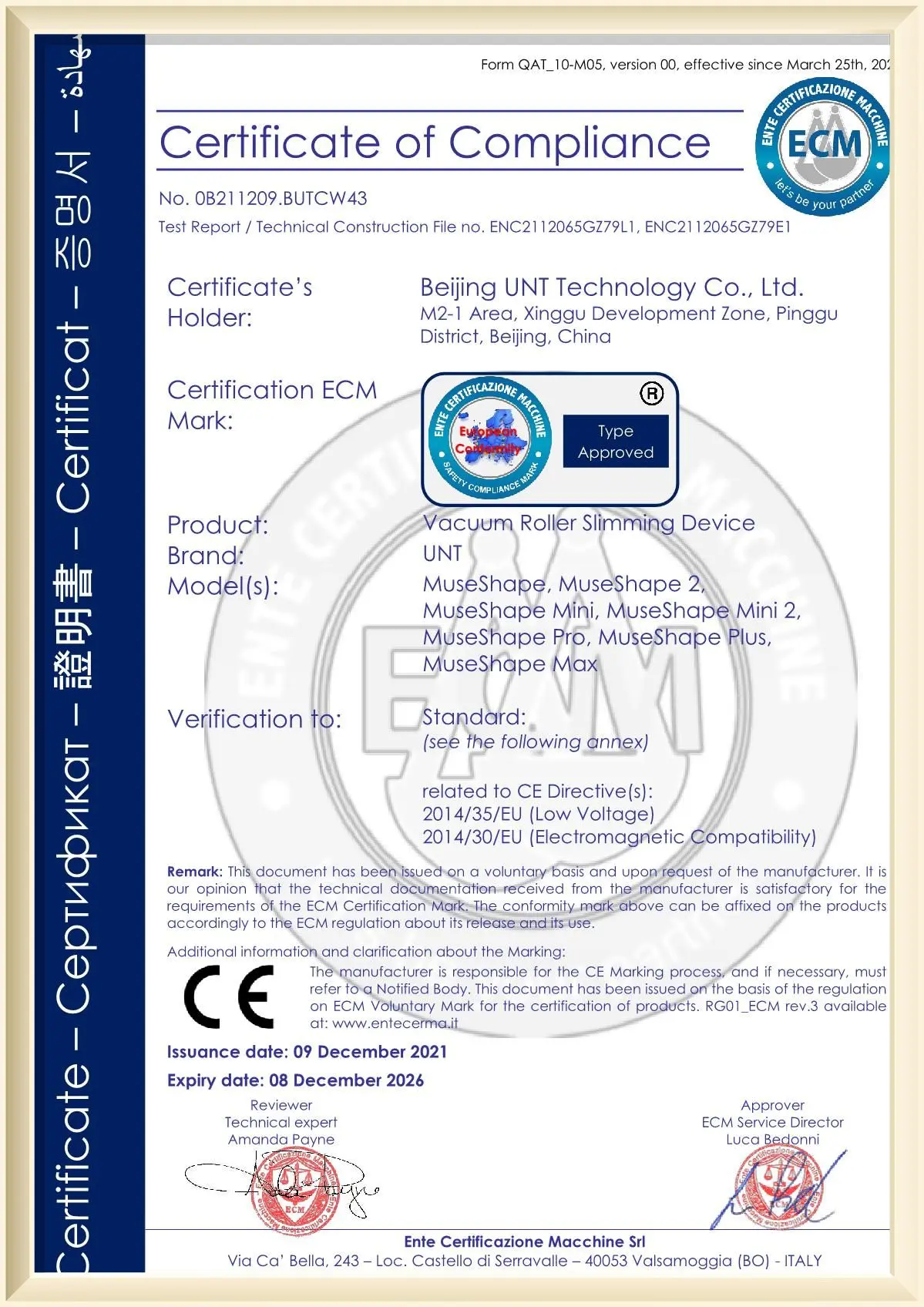
Electromagnetic Compatibility
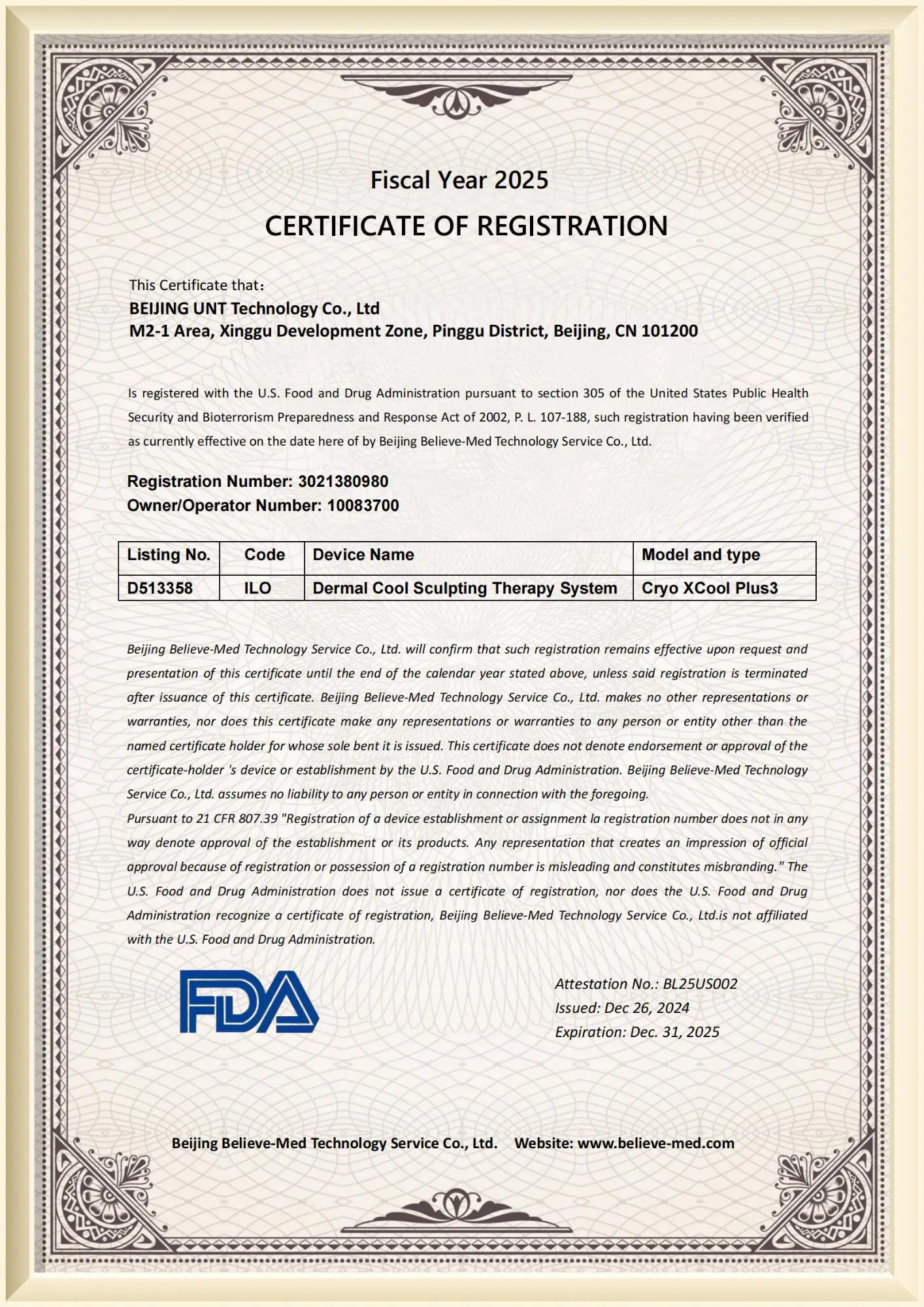
Quality System Operations
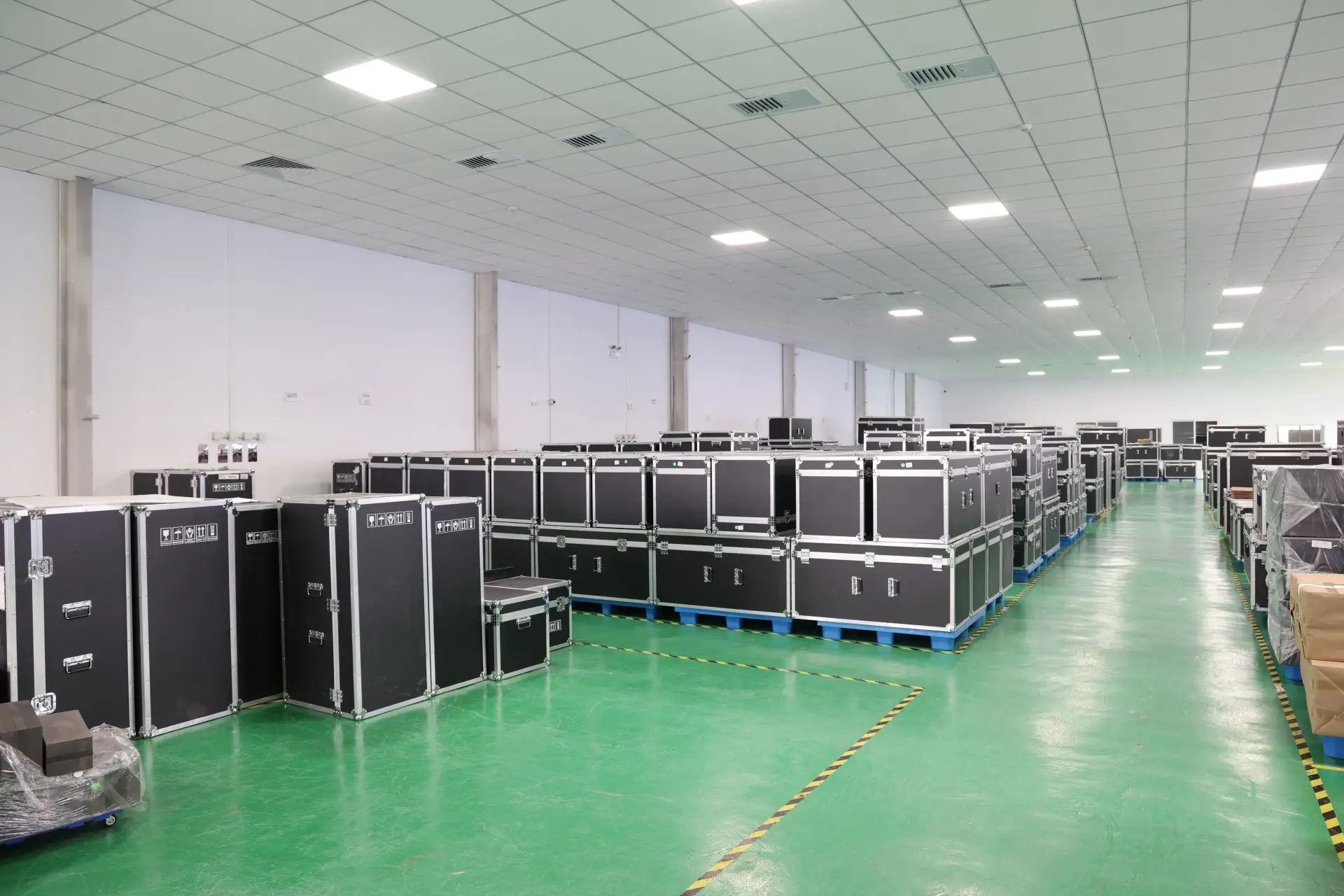
Recognizing that commercial downtime directly impacts clinical revenue, UNT Technology has constructed a multi-hub global logistics network. Supported by express air courier partnerships, we deliver equipment, spare components, and custom OEM units worldwide within 3 to 5 business days.
Since its incorporation, Beijing UNT Technology Co., Ltd. has prioritized continuous technological evolution. Below is the historical trajectory that established UNT as a globally recognized medical aesthetic device manufacturer.
UNT officially registered and established dual operating headquarters in Beijing and Hong Kong, China, focusing on optoelectronic aesthetic research.
Engineered and successfully commercialized UNT’s first proprietary Intense Pulsed Light (IPL) therapeutic platform with dynamic fluence regulation.
Pioneered the "Alpha" series diode laser handpiece featuring real-time color touch-screen parameters directly integrated into the applicator handle.
Developed and released a comprehensive suite of medical and surgical lasers, including Q-Switched Nd:YAG, Fractional CO2, and Pico systems.
Pioneered the world’s first Android-driven intelligent operating system in diode laser systems, enabling remote cloud updates and patient data tracking.
Expanded Beijing office and production facilities to 6,000 square meters, growing the permanent engineering workforce to over 130 specialists.
Achieved FDA 510(k) clearance across four core machine platforms: Diode Laser Hair Removal, MuseShape EMS, Nd:YAG Laser, and Cryo Freezing Slimming.
Secured ISO 13485:2016 (MDR compliant) and MDSAP certifications; launched European regional support center "APEX" in the Netherlands for direct EU service.
We regularly collect customer feedback through clinical operational audits and satisfaction surveys. This continuous improvement workflow enables UNT to remain ahead of technological curves, ensuring every machine delivered meets strict international benchmarks.
As part of our commitment to forward-looking R&D, UNT Technology is advancing laser tattoo removal and post-treatment recovery systems through several strategic engineering initiatives:
Integration of multispectral sensors directly within the laser handpiece to instantly detect melanin concentration and tattoo ink depth, automatically adjusting fluence and pulse duration per millisecond.
Developing synchronized cryogenic micro-burst cooling linked directly to Q-switch pulse triggering, ensuring skin surface temperatures remain below 15°C throughout high-fluence passes.
Expanding custom crystal resonance to provide single-handpiece access to 532nm, 755nm, 1064nm, and 685nm wavelengths for complete clearance of stubborn green, blue, and yellow inks.
Collaborating with dermatological research institutions to create tailored post-laser topical nano-serums designed for accelerated lymphatic debris clearance and PIH prevention.
Below are answers to frequently asked technical, clinical, and regulatory questions submitted by clinic directors, OEM clients, and international medical equipment distributors.
 UNT TECH