Explore our medical-grade CO2 laser, Picosecond, Diode Hair Removal, and Body Sculpting devices engineered for premium clinical outcomes.
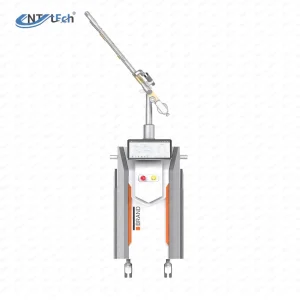
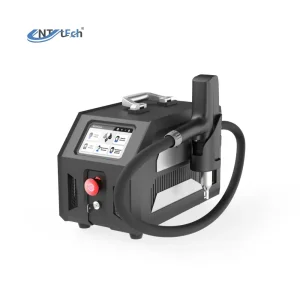
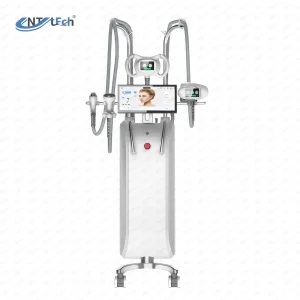
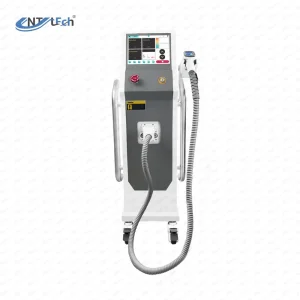
A technical and macroeconomic analysis of fractional ablation technology in modern medical dermatology.
The global medical aesthetic laser market is experiencing a profound paradigm shift. Among energy-based devices (EBDs), the 10,600 nm Carbon Dioxide (CO2) laser remains the undisputed gold standard for severe photoaging, deep rhytids, post-acne scarring, and structural skin tightening.
Driven by advancements in fractional photothermolysis, modern OEM CO2 laser facial platforms have transitioned from aggressive fully-ablative systems to ultra-precise micro-ablative scanners. By producing Microscopic Treatment Zones (MTZs), these systems leave surrounding tissue intact, accelerating epidermal re-epithelialization and drastically reducing patient downtime while driving intense collagen type I and III remodeling.
With the global medical laser market projected to breach $3.2 Billion by 2030 (CAGR 10.4%), aesthetic clinical networks and equipment distributors are prioritizing partnerships with vertically integrated OEM/ODM factories capable of meeting strict international regulatory frameworks (ISO 13485, FDA 510(k), MDR CE).
Understanding beam delivery, laser emission tubes, and scanning galvanometers for maximum therapeutic efficacy.
Industrial OEM manufacturing mandates a clear distinction between RF-excited metal tubes (Coherent/Synrad) and traditional glass DC tubes. RF-excited metal tubes offer ultra-short pulse widths, stable peak power emission, fine spatial TEM00 beam profile, and a extended service lifecycle (>20,000 hours without gas refill), rendering them essential for high-end clinical setups.
Modern CO2 facial systems utilize 7-joint articulated light guide arms combined with high-speed galvanometric scan heads. Microprocessors control scan geometric patterns (square, circle, hexagon, grid) and random pixel scanning modes, which disperse thermal accumulation across adjacent micro-zones to prevent post-inflammatory hyperpigmentation (PIH).
By modulating pulse energy (mJ), pulse duration (μs), and spot density, practitioners can dictate the exact ratio of tissue ablation (vaporization) to thermal coagulation. Deep dermal heat stimulation triggers long-term neocollagenesis while epidermal ablation instantly smooths tactile roughness and dyschromia.
The convergence of advanced optical engineering, optimized supply chains, and scalable ISO-certified manufacturing.
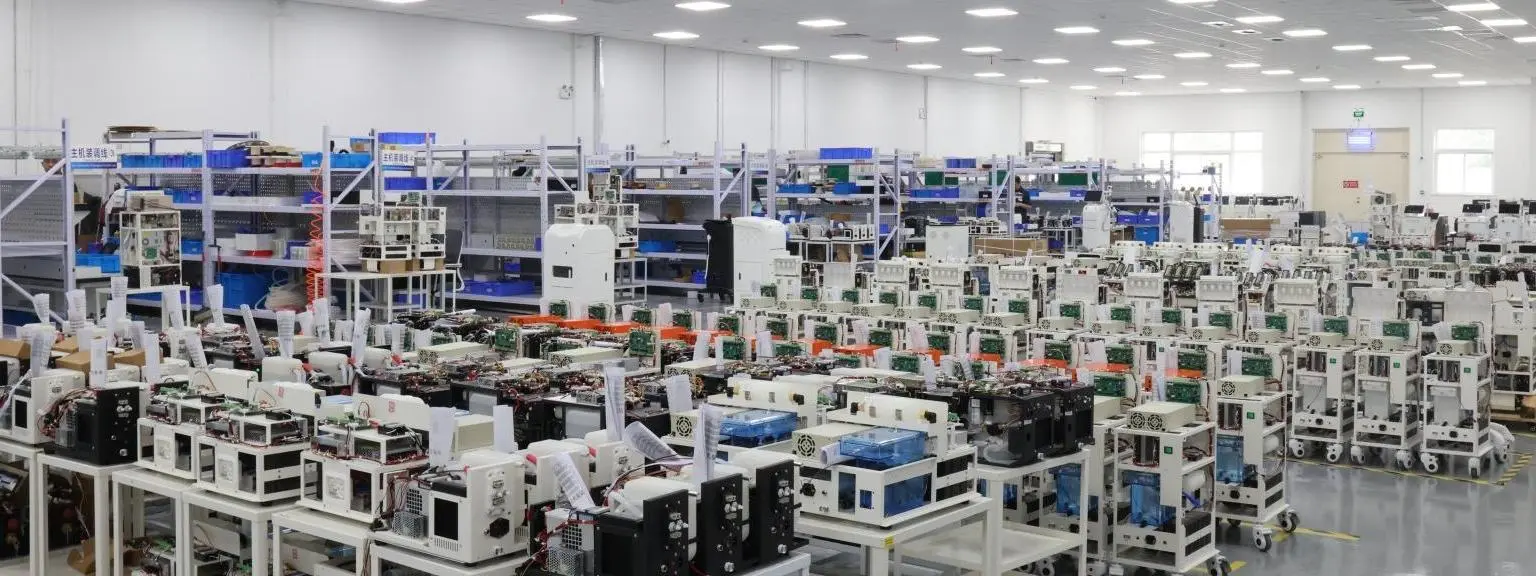
China has firmly established itself as the global powerhouse for medical device precision assembly. For aesthetic brands, med-spa chains, and equipment importers, sourcing from premier OEMs in China offers unprecedented competitive benefits:
Multi-modal functional heads enable broad spectrum treatments across dermatology, gynecology, and plastic surgery.
Applied in high-end medical clinics across North America and Europe for deep wrinkle reduction, peri-orbital rhytids, sun damage correction, and pore refinement. Delivers customized micro-beam densities tailored to patient skin phototypes (Fitzpatrick I-IV).
Widely utilized in dermatological hospital departments throughout Asia and Latin America for remodeling hypertrophic scars, keloids, surgical incisions, and deep icepick or boxcar acne scars through micro-ablative tissue ablation.
Equipped with specialized 360-degree surgical probes for non-surgical vaginal rejuvenation, treating stress urinary incontinence (SUI), and performing minor dermatological soft tissue excisions (warts, nevi, syrinx) with minimal bleeding.
A Beacon of Innovation in the Medical and Aesthetic Equipment Manufacturing Industry
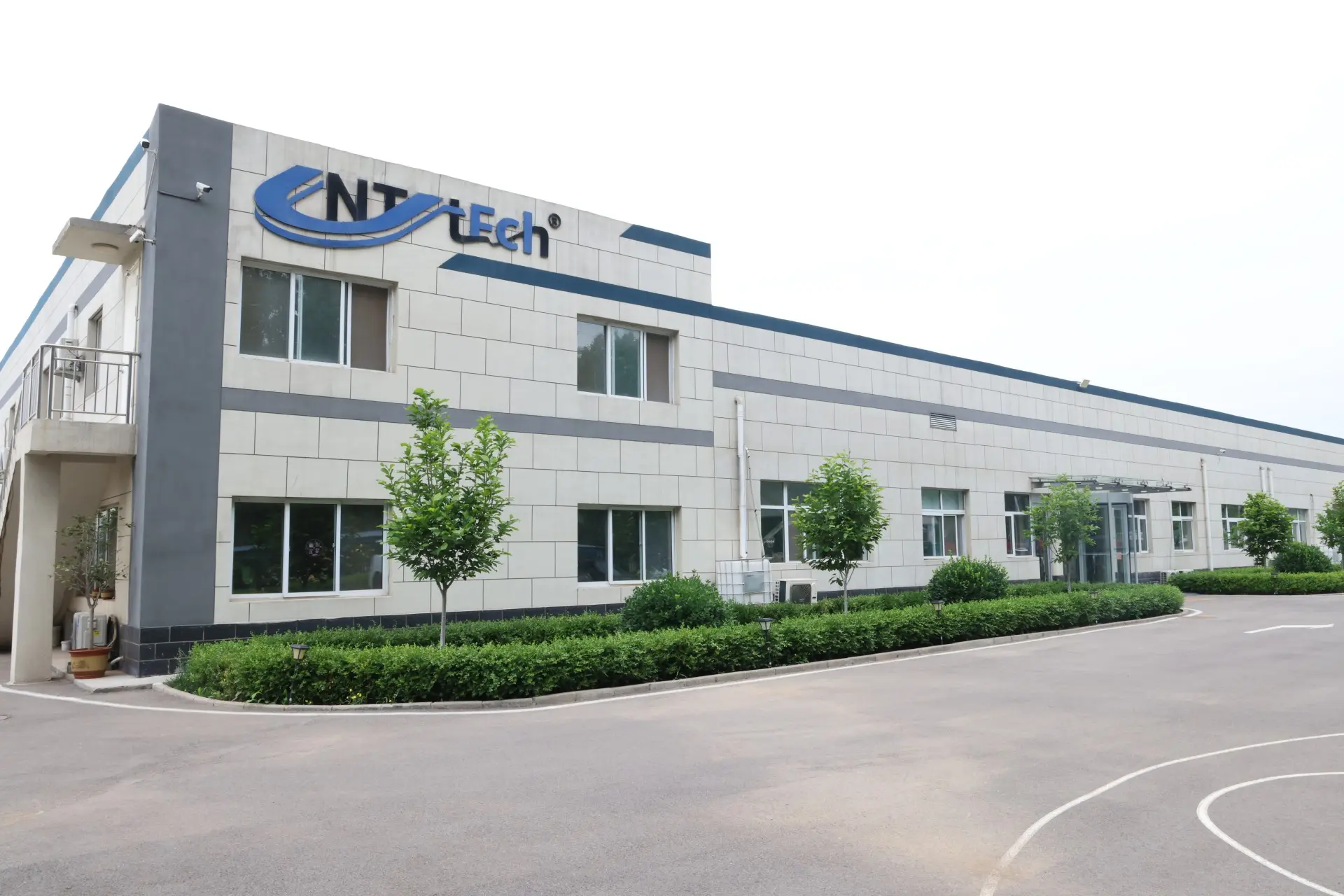
Founded in 2012, Beijing UNT Technology Co., Ltd. is a state-level high-tech enterprise specializing in the R&D, precision manufacturing, sales, and after-sales service of advanced medical-aesthetic lasers.
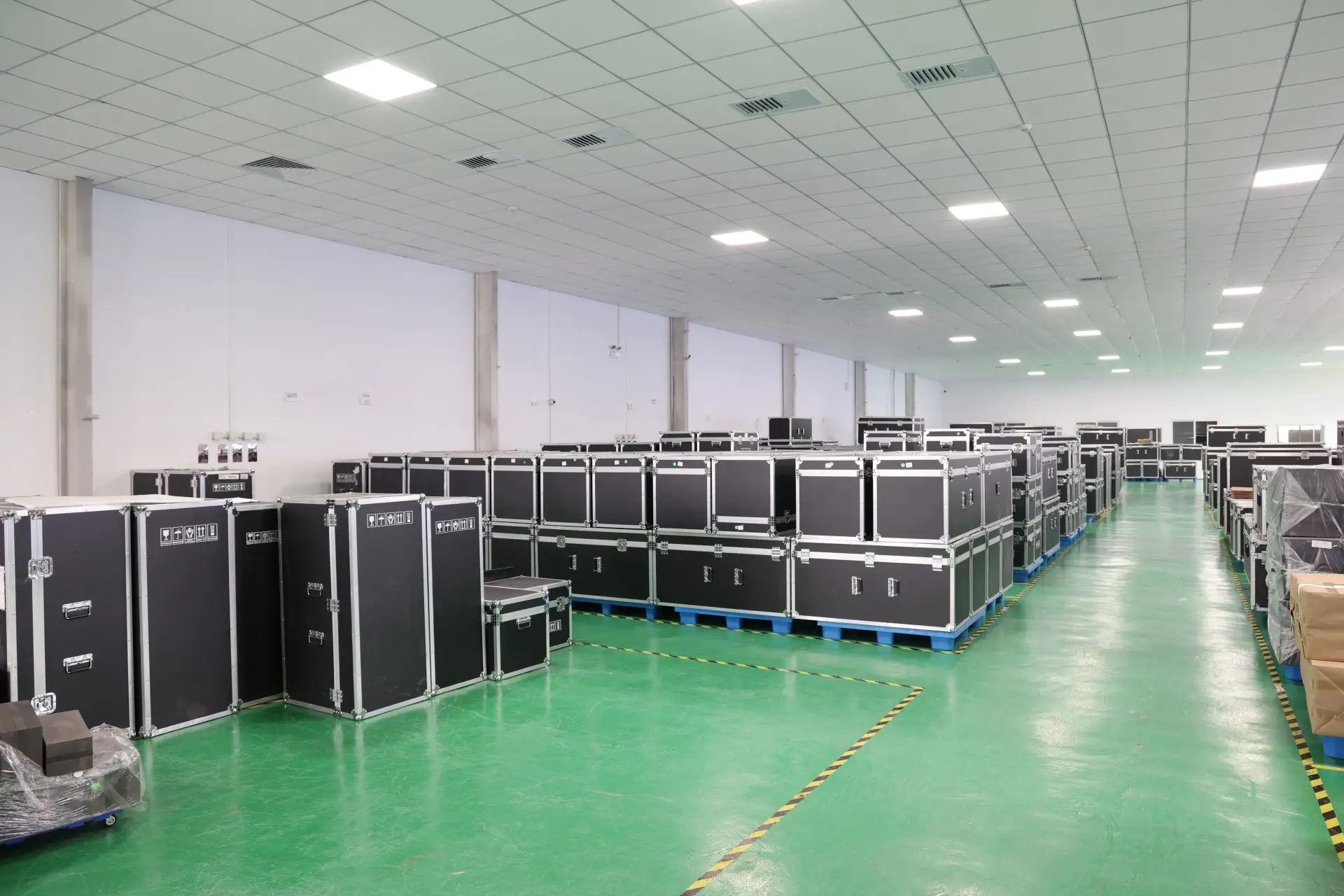
Operating a state-of-the-art 6,000 square meter facility in Beijing with over 130 dedicated employees, UNT integrates ISO Class 7 cleanroom assemblies to produce laser systems certified under stringent global standards. To serve our global client network seamlessly, UNT established the APEX European Service Center in the Netherlands, providing local technical support, spare parts distribution, and hands-on clinical training.
Officially registered in Beijing & Hong Kong, establishing primary optics laboratory.
Developed the world's first Smart Touch-Screen operation handle system named "Alpha".
Pioneered the industry's first Android-based smart OS integration for beauty lasers.
Expanded manufacturing headquarters to 6,000 m² cleanroom production facility.
Secured 4 major FDA 510(k) clearances across diode laser, Nd:YAG, and sculpting lines.
Achieved ISO 13485 (MDR CE) compliance and established APEX Service Center in the Netherlands.
From custom industrial chassis design to regional medical device clearance support.
Custom injection molding, sheet metal fabrication, color accents, and ergonomic handpiece design. OEM partners can specify handpiece spot sizes, articulated arm lengths, and integrated air cooling channels.
Full customization of software user interfaces on Android-based operating systems. Includes multi-language localization, customer logo integration, presets cloud sync, and remote diagnostic telemetry.
We provide full technical construction files (TCF), testing reports (IEC 60601-1, IEC 60601-2-22), and clinical evaluation reports (CER) to assist distributors in obtaining local TGA, Health Canada, or FDA clearance.
How AI, hybrid wavelengths, and advanced photonics are shaping the next decade of aesthetic lasers.
Next-gen OEM platforms are integrating embedded camera sensors and AI skin analyzing algorithms that automatically assess epidermal moisture levels and scar depth, dynamically adjusting pulse energy and density in real-time.
Combining CO2 10,600 nm micro-ablation with simultaneous non-ablative 1540 nm laser optical pulses or bi-polar radiofrequency (RF) to stimulate simultaneous deep reticular thermal tightening and superficial epidermal resurfacing.
Shortening pulse duration into sub-millisecond ranges with extreme high peak power to execute pure photo-ablation with almost zero peripheral thermal necrosis zone, dramatically expediting post-treatment recovery.
Essential guidance on sourcing, manufacturing compliance, maintenance, and technical specifications.
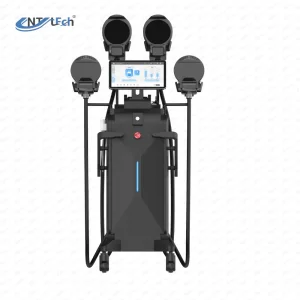
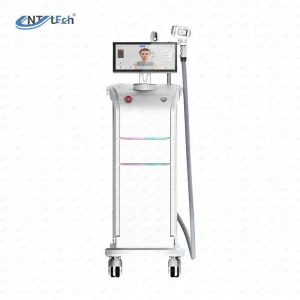
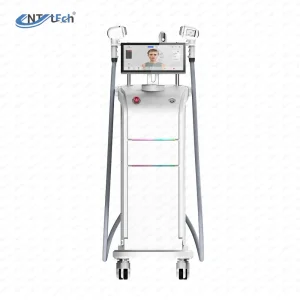
High-demand portable & vertical laser equipment directly from Beijing UNT Technology facility.
 UNT TECH