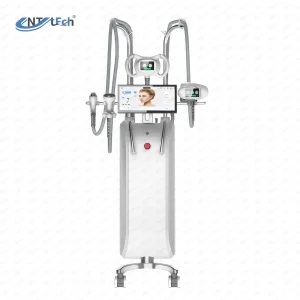
Direct from Factory Floor: CE & FDA Certified Energy Devices Engineered for Maximum Clinical Efficacy
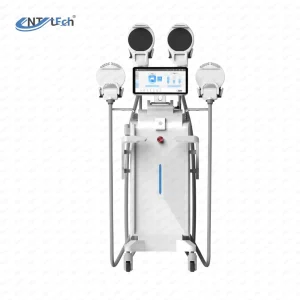
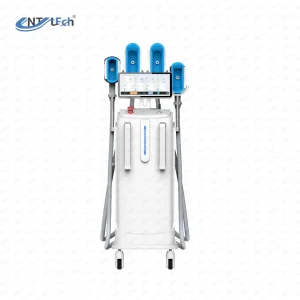
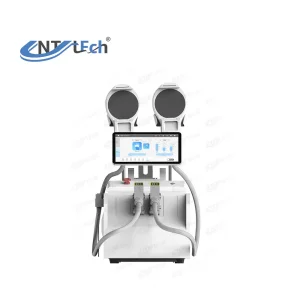
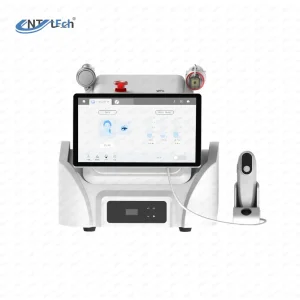
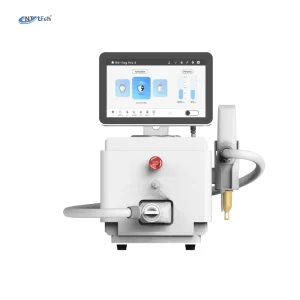
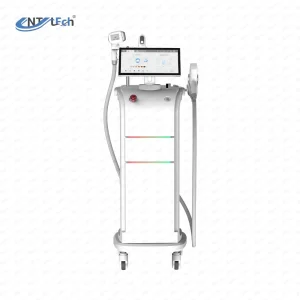
Market Drivers, Technological Convergence, and Intent Mining for Aesthetic B2B Procurement
The global non-invasive skin tightening and body sculpting equipment market has reached a pivotal juncture. Driven by shifting consumer preferences away from invasive surgical rhytidectomy (facelifts) toward zero-downtime thermal and mechanical treatments, demand for professional-grade OEM skin tightening machines has grown exponentially. According to recent clinical market intelligence, the global medical aesthetics equipment sector is expanding at a CAGR exceeding 14.2%, with energy-based devices (EBDs)—specifically Monopolar Radiofrequency (RF), High-Intensity Focused Ultrasound (HIFU), Micro-focused Ultrasound with Visualization (MFU-V), and RF Microneedling—representing the largest share of capital expenditure among dermatological clinics and medspas worldwide.
For B2B buyers, distributor networks, and private-label aesthetic brand owners, sourcing from established OEM skin tightening machine manufacturers & suppliers is no longer merely a pricing arbitrage strategy. It is a strategic requirement centered on thermal accuracy, pulse delivery stability, depth-targeting precision, and compliance with stringent regulatory frameworks like Regulation (EU) 2017/745 (MDR) and US FDA 510(k) clearances. Devices must perform predictably across all Fitzpatrick skin types (I–VI) without causing epidermic thermal injury or hyperpigmentation.
Modern clinical buyers evaluate skin tightening equipment using rigorous engineering metrics. When analyzing professional skin tightening machine reviews, key technical factors consistently separate tier-one industrial manufacturers from low-tier assemblers: phase-controlled energy output, dynamic contact cooling performance, impedance matching algorithms, and ergonomics of handpiece design. Manufacturers like Beijing UNT Technology Co., Ltd. have transformed the OEM landscape by combining vertical integration—such as optical engineering, internal PCB design, and CNC chassis fabrication—with real-time software operating systems.
Demystifying Dermal Heating, Neo-Collagenesis, and Sub-Dermal Tissue Remodeling
Radiofrequency delivers high-frequency electrical current (typically 1 MHz to 6.78 MHz) into the dermis. The natural resistance of cutaneous tissues converts electrical energy into thermal energy. Heating the reticular dermis to 65°C–75°C induces immediate triple-helix triple-hydrogen collagen denaturation, followed by a 90-day neocollagenesis and elastogenesis cycle. Advanced OEM systems feature real-time skin impedance monitoring to prevent thermal hot spots.
Combines physical micro-perforation with insulated or non-insulated needle-tip RF delivery. Micro-needles penetrate the epidermis at precise depths (0.5mm to 4.5mm), delivering targeted thermal coagulative zones directly into the deep papillary and reticular dermis without damaging the superficial skin layer. Ideal for acne scar revision, lax neck skin, periorbital rhytids, and abdominal skin tightening.
HIFU delivers micro-focused ultrasound beams that converge at specific anatomical depths (1.5mm, 3.0mm, and 4.5mm), reaching the Superficial Muscular Aponeurotic System (SMAS) layer. Thermal Coagulation Points (TCPs) heating to 65°C–70°C trigger immediate tissue shrinkage and long-term structural lifting, providing a non-surgical alternative to traditional surgical face-lifting.
This technical evaluation aids medical procurement officers, OEM partners, and clinical directors in selecting the optimal device hardware architecture for their brand portfolio.
| Technology Modality | Target Anatomical Layer | Optimal Tissue Heating | Epidermal Risk Level | Key OEM Hardware Requirement |
|---|---|---|---|---|
| Monopolar Radiofrequency | Deep Dermis / Subcutaneous Septa | 65°C – 72°C | Low (With Active Cooling) | Peltier Contact Cooling, Real-Time Impedance Board |
| Microneedling RF (Insulated) | Dermal-Epidermal Junction to 4.5mm | 60°C – 70°C | Very Low | Stepping Motor Precision, Gold-Plated Needles |
| HIFU / Focused Ultrasound | SMAS Layer & Deep Dermis | 65°C – 75°C | Minimal | High-Precision Transducer Crystals & Beam Focusing |
| EMS + RF Hybrid (MuseShape) | Subcutaneous Fat & Muscle Fibers | 42°C – 45°C (Bulk Dermal) | None | HI-EMT Electromagnetic Generators & RF Amplifiers |
| Vacuum-Assisted Cryo-RF | Subcutaneous Adipose & Dermis | -11°C (Fat) / +40°C (RF) | Low (Anti-Freezing Membrane) | Proportional Vacuum Valves & Dual Cryo Compressors |
A Beacon of Innovation and Reliability in the Global Medical & Aesthetic Equipment Industry
In the dynamic and rapidly changing landscape of the global medical and aesthetic equipment industry, Beijing UNT Technology Co., Ltd. has established itself as a trailblazer, setting new standards for manufacturing precision, engineering innovation, and customer support. Operating as a certified high-tech enterprise, UNT's commitment to quality is evident across every level of operation—from initial optical and electronic R&D to precision assembly, multi-stage quality testing, and international after-sales service.
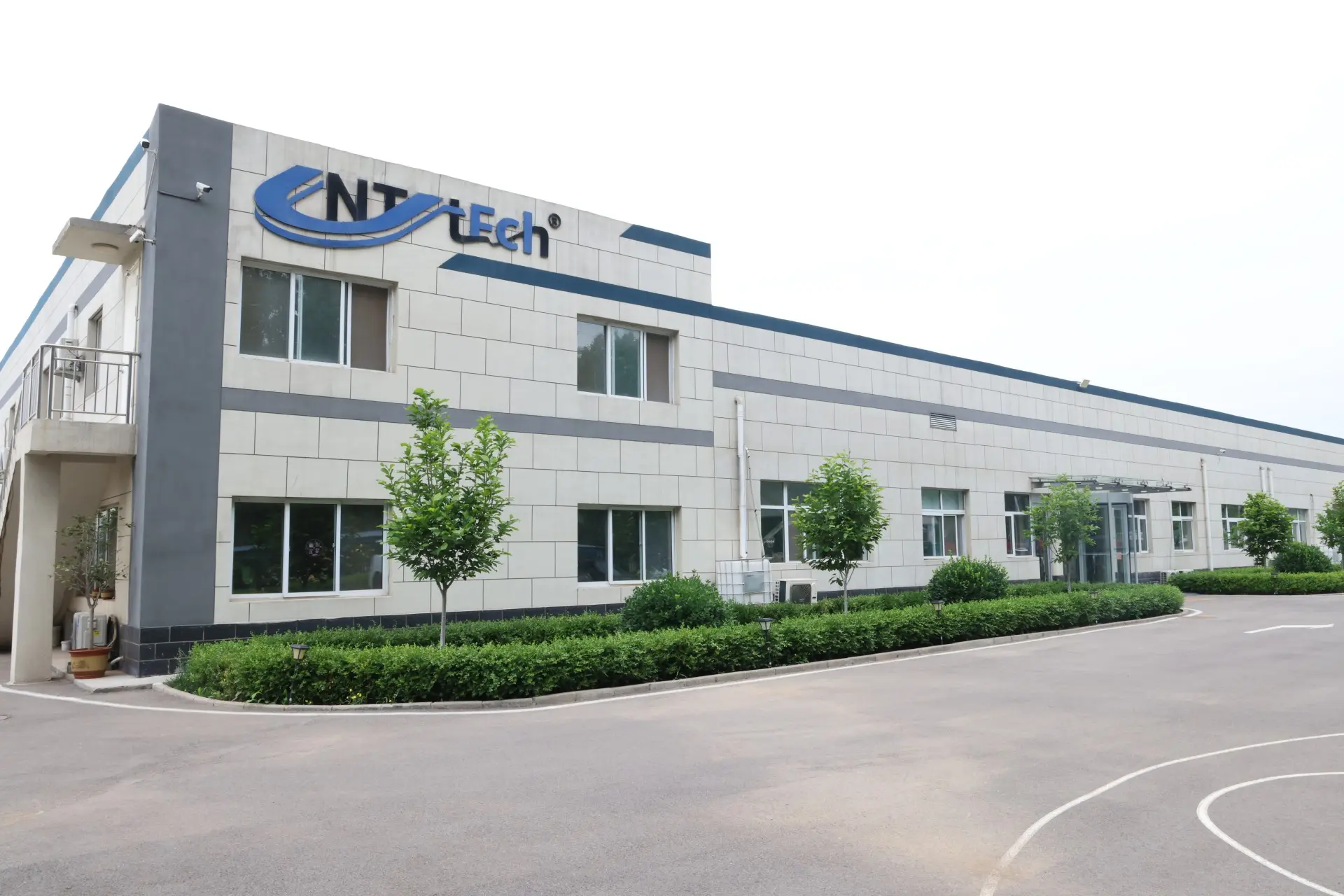
Complementing its robust R&D capabilities is a state-of-the-art manufacturing facility spanning 6,000 square meters in Beijing, China. Designed in accordance with international medical device manufacturing guidelines, the plant features dedicated SMT line setups, optic alignment suites, dynamic testing bays, and a certified 100 square meter Class 7 cleanroom. This extensive infrastructure ensures that every skin tightening, laser, and sculpting machine built for OEM/ODM clients satisfies rigid medical standards including ISO 13485:2016 and ISO 9001:2015.
How We Transform Aesthetic Concepts into Market-Ready Medical Devices
Our industrial engineering team creates custom exterior housing designs, ergonomic handpiece configurations, and signature color schemes. Prototypes are validated via 3D printing and precision CNC machining before tooling production, ensuring unique brand identity for global distributors.
We develop custom high-voltage power supplies, RF generator motherboards, optic driver circuits, and Android-based graphical user interfaces (GUI). Software options include multi-language support, cloud user tracking, preset treatment protocols, and custom brand startup logos.
Navigating global compliance can be complex. UNT provides OEM partners with complete technical documentation packages—including electrical safety reports (IEC 60601-1), EMC compliance (IEC 60601-1-2), clinical evaluation reports (CER), and local registration transfer assistance.
To maintain uninterrupted supply chains for global aesthetic clinic chains and equipment distributors, Beijing UNT Technology offers streamlined shipping and localized technical support:
Deployment in Clinical Practice & Next-Generation AI-Driven Energy Devices
In high-volume medical spas across North America and Western Europe, non-invasive skin tightening machines are primary revenue drivers. Systems like the MuseShape Pro (integrating 940nm infrared laser, RF, vacuum, and mechanical rollers) allow operators to provide comprehensive face and body tightening treatments with zero patient downtime, yielding high return on investment (ROI).
Board-certified dermatologists utilize fractional RF microneedling and high-power Nd:YAG lasers for deep dermal remodeling, surgical scar softening, skin laxity restoration, and post-liposuction skin smoothing. Precise energy delivery ensures safe treatment across diverse patient demographics.
Large cosmetic chains require standardized equipment with minimal operator variability. UNT's smart Android operating systems enable enterprise-wide parameter synchronization, pre-programmed treatment protocols, lockable user permission tiers, and automated maintenance monitoring.
Looking ahead, the development of professional OEM skin tightening machinery is driven by three major technological trends:
In-Depth Answers for OEM Buyers, Medical Directors, and Equipment Distributors
Factory-Direct Medical Aesthetic Equipment Manufactured to ISO 13485 Standards
 UNT TECH