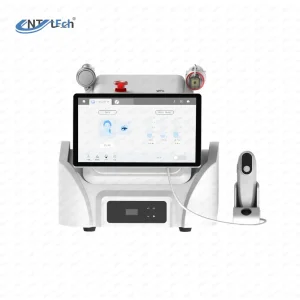
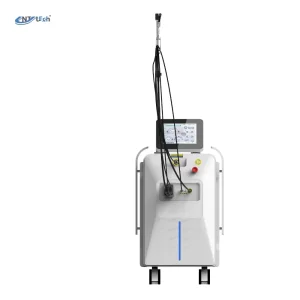
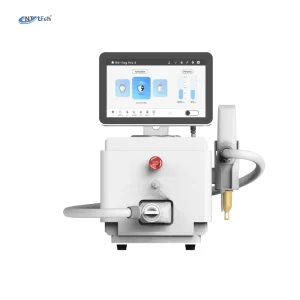
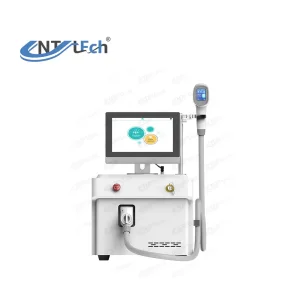
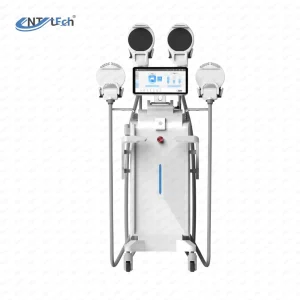
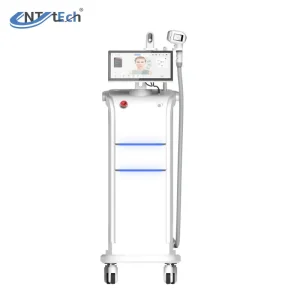
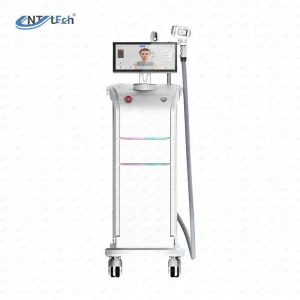
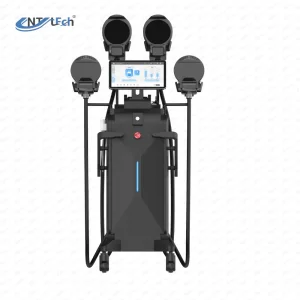
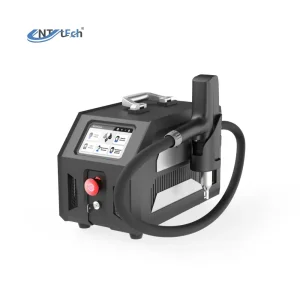
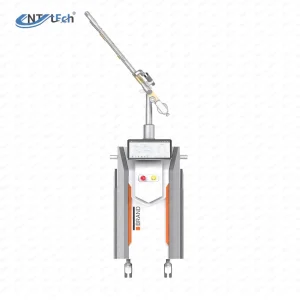
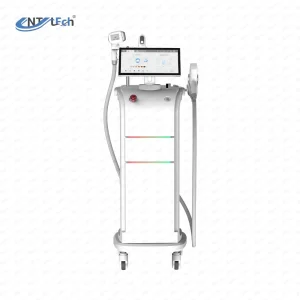
Engineered for high power stability, fast thermal relaxation, and sub-dermal collagen remodelling.
Market Insights, Clinical Demographics, and Device Demands in Greater Seattle
The Seattle metropolitan area—spanning major urban hubs like Bellevue, Kirkland, Redmond, Capitol Hill, and the Pearl District—represents one of North America's most sophisticated and demanding aesthetic medical markets. Driven by a high-income tech sector demographic (including personnel from Amazon, Microsoft, and Google), patients in the Pacific Northwest (PNW) display an exceptional preference for evidence-based, minimally invasive dermatological procedures with negligible downtime.
Acne scarring remains one of the most widespread clinical complaints across King County clinics. Due to the regional climate characterized by frequent cloudy weather and lower UV indices during eight months of the year, Seattle patients frequently choose autumn and winter to undergo intensive dermal remodeling, radiofrequency (RF) microneedling, and laser skin resurfacing. Furthermore, Seattle's demographic profile features a rich diversity of skin tones, including high proportions of Asian, South Asian, and East Asian populations with Fitzpatrick Skin Types III through VI. This clinical reality places high demands on medical equipment: devices must deliver profound deep-dermal remodeling without triggering Post-Inflammatory Hyperpigmentation (PIH) or thermal damage to epidermal melanocytes.
Seattle practitioners are pivoting away from aggressive fully-ablative CO2 lasers toward fractional RF microneedling and sub-nanosecond lasers, delivering maximum collagen synthesis with minimal recovery days.
With high Pacific Rim demographic concentration, machines operating in Bellevue and Seattle require precise impedance feedback and targeted pulse duration to prevent epidermal hyperpigmentation.
Seattle MedSpas prioritize factory-direct original equipment manufacturing (OEM) partners capable of offering fast, reliable parts supply, 24/7 technical assistance, and modular tech upgrades.
Acne vulgaris often leaves persistent structural changes in the skin tissue due to localized inflammatory degradation of the dermal extracellular matrix (ECM). Treating complex atrophic scars—such as icepick, boxcar, and rolling scars—requires dual-action mechanisms: localized physical disruption of fibrotic tethering combined with controlled thermal energy deposition to stimulate wound-healing cascades.
| Scar Morphology | Histological Feature | Optimal Technology Solution | Mechanism of Action |
|---|---|---|---|
| Rolling Scars | Fibrotic tethering anchored to the subcutaneous fascia. | RF Microneedling + Subcision Mode | Insulated gold-plated micro-needles penetrate 1.5–3.5mm, emitting 1MHz RF energy directly to the reticular dermis to sever fibrotic bands and trigger neocollagenesis. |
| Boxcar Scars | U-shaped depressions with sharp vertical dermal margins. | Fractional RF / Long-Pulse Nd:YAG | Micro-focused thermal coagulation zones created along scar edges promote rapid re-epithelialization and dermal matrix deposition without epidermal sloughing. |
| Icepick Scars | Deep, narrow V-shaped tracts extending into deep dermis. | High-Peak-Power Q-Switched/Pico Laser | Photomechanical breakdown of scarred deep epithelial tracts combined with localized plasma formation, prompting intense Type I collagen regeneration. |
| Erythematous/Hyperpigmented Scars | Post-acne vascular ectasia and melanin accumulation. | 1064nm Nd:YAG / Multi-Wavelength Laser | Selective photothermolysis targets hemoglobin and dermal melanin clusters, clearing red vascular marks and hyperpigmentation concurrently. |
As a premier high-tech enterprise, Beijing UNT Technology Co., Ltd. designs systems that generate controlled volumetric heating (55°C to 65°C) within the target reticular layer. This exact thermal envelope activates heat shock proteins (HSP 47 & HSP 70), driving fibroblasts to synthesize fresh Type I and Type III collagen fibers over 30 to 90 days following treatment. The result is structural elevation of depressed scars, refined skin texture, and long-term dermal thickening.
Vertically Integrated Manufacturing Facilities Delivering Precision, Scale, and Uncompromised Quality
Beijing UNT Technology Co., Ltd. operates a high-capacity 6,000 square meter manufacturing center in Beijing, China. Our facilities incorporate Class 7 cleanrooms dedicated to optical lens alignment, laser diode stack assembly, and micro-rf circuit integration. By utilizing a rigorous Lean Manufacturing framework, we maintain strict tolerance controls, eliminating component failures and guaranteeing machine longevity.
Unlike third-party traders or regional assemblers, UNT controls the entire production value chain: from optical engineering, motherboard firmware development, and ergonomic chassis design to automated thermal stress testing.
Every aesthetic device bound for the Seattle market undergoes multi-stage quality gates: 72-hour burn-in energy stability testing, high-voltage insulation audits, optical beam profile measurements, and fluidic cooling cycle checks. Our management infrastructure is certified under ISO 13485:2016 (MDR compliant) and MDSAP, providing Seattle healthcare professionals with equipment that consistently adheres to international safety standards.
Pioneering the Next Era of Energy-Based Aesthetic Devices
Incorporated in Beijing and Hong Kong. Developed the "Alpha" smart touch-screen handle system, establishing an industry baseline for operator ergonomics in aesthetic laser platforms.
Pioneered the world's first Android OS integrated aesthetic diode and RF systems ("SmartDepi"), enabling remote telemetry, client treatment tracking, and over-the-air (OTA) software updates.
Expanded manufacturing base to 6,000 m². Secured four US FDA 510(k) clearances across Diode Lasers, Muscle Sculpting, Nd:YAG, and Cryo Slimming platforms alongside ISO 13485 MDSAP certification and MDR CE marks.
Deploying real-time AI tissue impedance feedback in RF microneedling arrays to automatically adjust millisecond energy pulses based on dermal hydration. Introducing hybrid 1470nm/1927nm fractional sub-dermal systems tailored for rapid scar clearing.
Seamless International Procurement with Local Reliability
Our key clinical devices hold valid FDA 510(k) numbers, CE MDR certifications, and TGA approvals. Seattle clinics can seamlessly meet Washington State Department of Health and Medical Board operational regulations.
Leveraging direct air dispatch partnerships with DHL, FedEx, and UPS, we guarantee rapid 3-to-5-day door-to-door transit to Seattle-Tacoma International Airport (SEA) and local practice addresses.
We back every platform with a 2-year factory warranty, lifetime technical maintenance support, remote online diagnostic assistance, and access to our European service hub ("APEX").
Customizing Aesthetic Tech Solutions from Concept to Commercialization
For Seattle healthcare investors, regional MedSpa networks, and equipment distributors looking to launch private-label medical aesthetic platforms, UNT Technology offers full turnkey OEM/ODM engineering services. Our end-to-end manufacturing flexibility allows clients to specify hardware parameters, custom branding, system software, and ergonomic handpiece design.
Select specialized chassis colors, injection-molded shell designs, dual-spot size handpiece modules, and custom laser wavelength configurations tailored specifically to your clinical protocols.
Integrate your brand logo, custom user interfaces, preset clinical algorithms by Fitzpatrick skin type, and multi-language software operational environments.
Factory-Direct Medical & Aesthetic Systems Available for Seattle Import
Insights for MedSpa Owners, Dermatologists, and Procurement Managers
Connect with our senior biomedical engineers today to request factory-direct pricing, FDA compliance documentation, and custom OEM/ODM consultations.
Send Inquiry Now UNT TECH