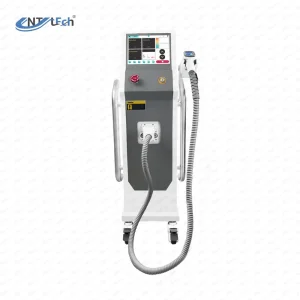
2025 Comprehensive Whitepaper: Market Trends, Non-Invasive Body Sculpting Engineering Roadmap, Regulatory Compliance & B2B Procurement Strategy for West Africa
Featured non-invasive slimming platforms engineered for medical aesthetics centers, luxury dermatological clinics, and wellness centers across Nigeria.
The Federal Republic of Nigeria is experiencing a monumental transformation in consumer wellness, driven by rapid urbanization, an expanding middle-to-upper socioeconomic class, and a growing cultural focus on body contouring and personal health. Major metropolitan centers such as Lagos (Victoria Island, Ikoyi, Lekki), Abuja (Maitama, Asokoro), and Port Harcourt have evolved into major hubs for aesthetic medicine in West Africa.
Historically, invasive surgical procedures like traditional liposuction dominated the body contouring landscape. However, long recovery periods, post-surgical risks, high procedural costs, and surgical anxiety have shifted patient preferences toward non-invasive and minimally invasive fat reduction techniques. High-net-worth individuals and wellness-conscious urbanites are increasingly seeking clinical solutions that require zero downtime while delivering visible physical results.
This whitepaper provides medical procurement officers, hospital directors, dermatology clinic owners, and aesthetic investors in Nigeria with an analytical guide to acquiring medical-grade fat removal technology. By understanding underlying physical principles, regulatory standards, local electrical stability challenges, and capital return timelines, Nigerian clinic operators can make informed capital equipment investments.
Understanding the biological mechanisms of adipose cell apoptosis, muscular hyper-contraction, and collagen restructuring.
Targeting subcutaneous fat via controlled thermal reduction (-10 °C to -11 °C). Subcutaneous adipocytes are selectively crystallised while leaving surrounding epidermal and vascular tissues undamaged. Over 3 to 12 weeks, apoptotic fat cells are naturally metabolized through the lymphatic system, delivering persistent reduction in targeted stubborn bulge volumes.
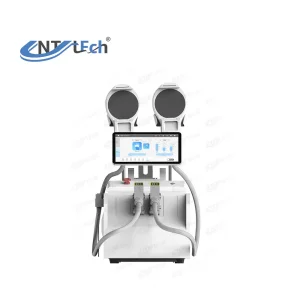
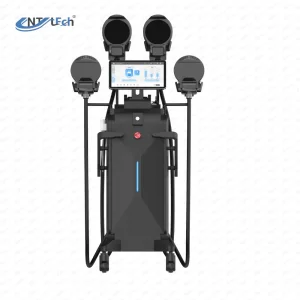
Combining high-intensity electromagnetic field stimulation with synchronized Radio Frequency (RF) thermal energy. The electromagnetic waves trigger up to 30,000 supramaximal muscle contractions per 30-minute session, inducing deep muscle remodeling, while RF heat simultaneously elevates fat cell temperatures to cause irreversible metabolic destruction.
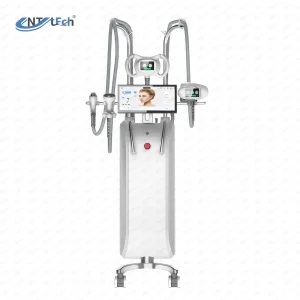
Utilizing mechanical vacuum suction alongside motorized rollers, multi-polar RF, and 650nm lipo laser energy. This multi-dimensional action breaks down lymphatic fluid stagnation, improves micro-circulation, smooths fibrous cellulite septa, and tightens skin laxity, serving as an ideal post-liposuction recovery tool or standalone sculpting modality.
A Beacon of Innovation in the Global Medical and Aesthetic Equipment Sector
Beijing UNT Technology Co., Ltd. operates a state-of-the-art 6,000 square meter research and manufacturing facility in Beijing, China, housing ISO Class 7 cleanrooms and high-precision optical and electrical assembly lines. With over 13 years of production expertise, UNT has maintained an international reputation as an OEM/ODM power supplier.
Our quality management systems are certified under ISO 13485 (Medical Devices Quality Management) and MDSAP (Medical Device Single Audit Program). Furthermore, UNT holds official clearance from the US FDA (510k) for multiple machine series, as well as European Medical CE (MDR) certification, offering complete compliance security to medical distributors worldwide.
Connect with UNT Engineering Team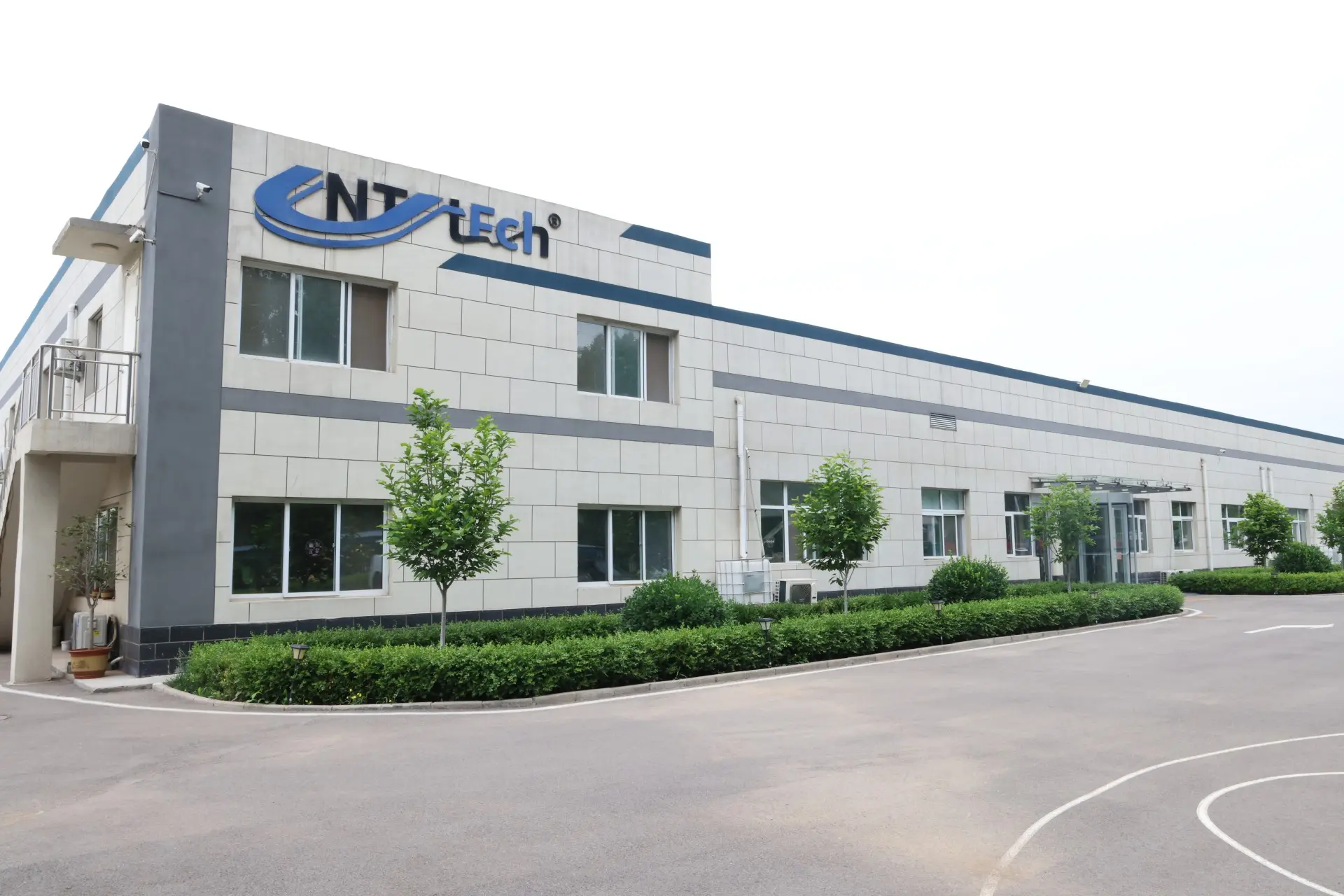
UNT was registered and established in Beijing and HK, specializing in high-end aesthetic physics systems.
Developed laser handle with integrated touch-screen intelligent control system, named "Alpha".
Pioneered "SmartDepi", the world’s first Android Operating System applied to aesthetic equipment for remote telemetry and cloud patient data management.
Expanded headquarters and manufacturing base to 6,000 square meters, expanding technical team to over 130 staff.
Four distinct machine series achieved FDA 510(k) clearances, including Diode Laser, MuseShape, ND YAG, and Cryo Slimming platforms.
Achieved Medical CE under MDR standards and established the "APEX" European Customer Service Center in the Netherlands for direct regional technical support.
Importing aesthetic equipment into Nigeria requires solving specific environmental and electrical operating conditions. UNT Technology builds tailor-made engineering configurations for African market deployment.
Commercial grid fluctuations in Lagos, Port Harcourt, and Abuja present risks to standard microprocessors. UNT machines incorporate wide-voltage stabilized transformers (220V ± 15%) and automated surge protection modules to ensure continuous operational uptime during generator power switching.
High ambient temperatures in West Africa can degrade cooling efficiency in lower-tier equipment. UNT fat freezing and laser systems utilize medical-grade Japanese Semiconductor TEC cooling paired with high-volume copper radiators and silent German water pumps, keeping treatment head temperatures stable at sub-zero levels during 12-hour operational cycles.
Navigating NAFDAC (National Agency for Food and Drug Administration and Control) clearance requires exhaustive technical dossiers. UNT supplies full ISO 13485 certificates, clinical safety reports, schematic diagrams, and CE testing reports to streamline local customs clearance and regulatory licensing for Nigerian importers.
Integrating modern non-invasive fat removal equipment into a Nigerian aesthetic clinic offers one of the highest cash-flow returns in elective healthcare. Below is a practical financial analysis based on average service rates in Lagos (Ikoyi / Lekki) and Abuja:
UNT’s quality management framework is built on international medical standards, ensuring total compliance with medical safety regulations across all global markets:
Prototypes are validated using CAD/CAM software and 3D precision engineering, with continuous load-testing to optimize handpiece ergonomics and energy output accuracy.
Optoelectronic circuits and laser diodes are assembled in ISO Class 7 cleanrooms to prevent particulate contamination and extend operational device lifespans.
Each machine is assigned a unique Serial Number (SN) tracking code, enabling lifetime traceability from raw optical components to end-user installation.
Every fat removal machine undergoes continuous 72-hour burn-in pressure and temperature thermal testing prior to international export packaging.
Explore our full line of OEM/ODM equipment, engineered for high reliability, clinical safety, and superior aesthetic results.
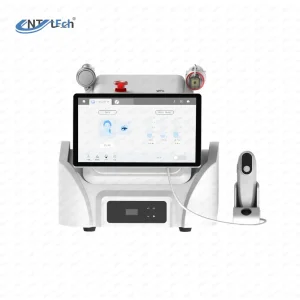 OEM China RF Microneedling Machine for Skin Tightening and Scar Reduction - Leading Suppliers and Factory Supplier, Suppliers
Send Inquiry
OEM China RF Microneedling Machine for Skin Tightening and Scar Reduction - Leading Suppliers and Factory Supplier, Suppliers
Send Inquiry
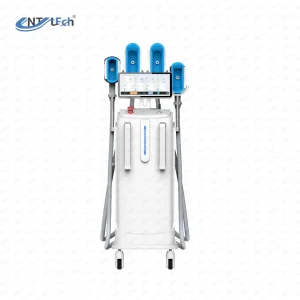 OEM China Suppliers Factory Cryo Tech Fat Freezing Machine - FDA-Approved Cryolipolysis for Safe Fat Reduction Suppliers, Factory
Send Inquiry
OEM China Suppliers Factory Cryo Tech Fat Freezing Machine - FDA-Approved Cryolipolysis for Safe Fat Reduction Suppliers, Factory
Send Inquiry
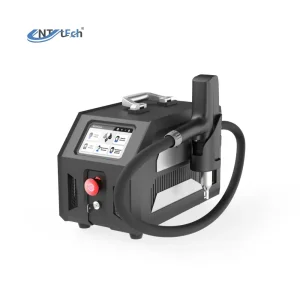 ODM Mini Nd YAG Laser Tattoo Removal Machine - China Suppliers & Factory for Safe, Effective Aesthetic Treatments Suppliers, Factory
Send Inquiry
ODM Mini Nd YAG Laser Tattoo Removal Machine - China Suppliers & Factory for Safe, Effective Aesthetic Treatments Suppliers, Factory
Send Inquiry
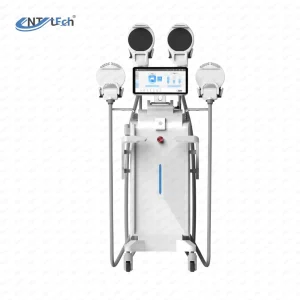 CE Certification China EMS Sculpting Machine for Fat Burning and Muscle Building - Suppliers and Factory Direct Pricing Manufacturers, Factories
Send Inquiry
CE Certification China EMS Sculpting Machine for Fat Burning and Muscle Building - Suppliers and Factory Direct Pricing Manufacturers, Factories
Send Inquiry
Gain direct factory pricing, 2-year warranty coverage, localized electrical adaptations, and comprehensive clinical training. Contact our West Africa regional export department today.
Send Inquiry Now UNT TECH