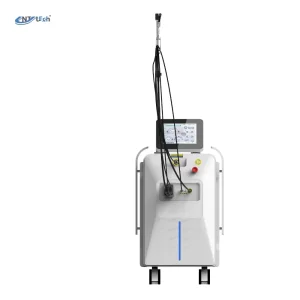
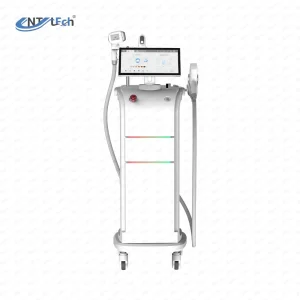
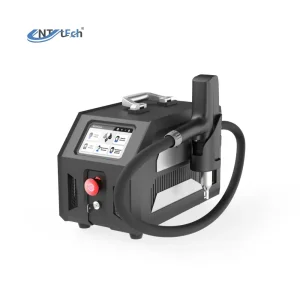
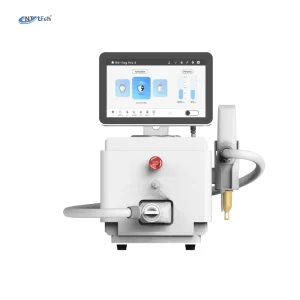
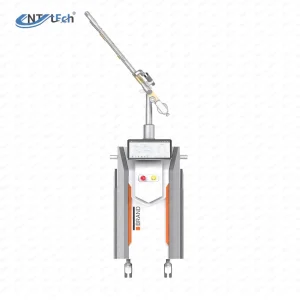
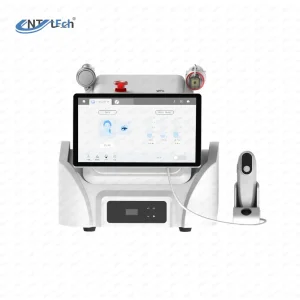
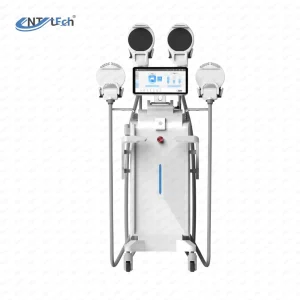
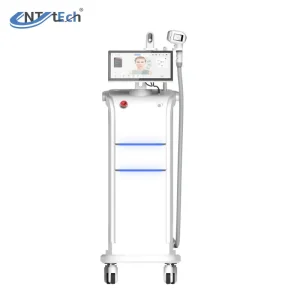
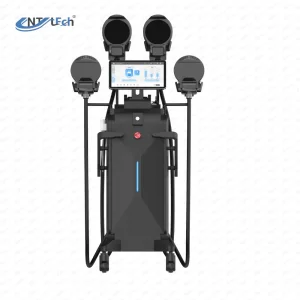
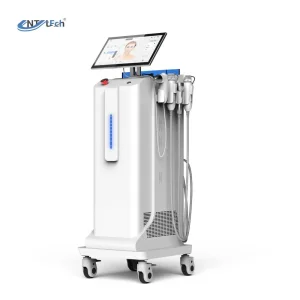
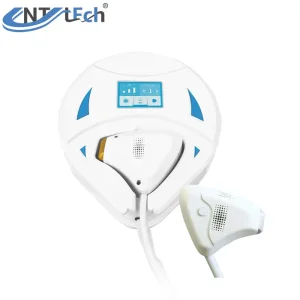
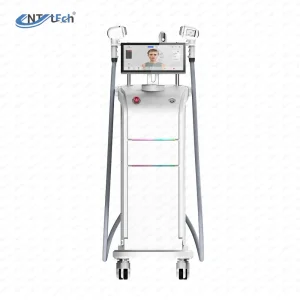
Engineered for high performance, tropical climate resilience, and skin type versatility.
Understanding the demographic expansion, cultural shifts, and clinical requirements across West Africa.
The medical aesthetics sector in Ghana—anchored by urban hubs such as Accra, Kumasi, and Sekondi-Takoradi—is undergoing a profound transformation. Historically viewed through a niche lens, body art modification and its subsequent reversal have emerged as one of the fastest-growing cosmetic laser categories in West Africa. Modern Ghanaian professionals, corporate employees, and young adults are increasingly seeking laser tattoo removal services driven by career advancement in corporate banking, civil service entry physicals, international migration requirements, and shifting personal aesthetic preferences.
However, operating laser tattoo removal devices within the West African demographic requires specialized medical-grade parameters. The Ghanaian population predominantly presents with Fitzpatrick Skin Types V and VI (richly pigmented skin). Treating dark skin tones introduces significant optical challenges: melanin in the epidermis acts as a competing chromophore for optical radiation. Standard laser wavelengths risk causing severe side effects, including Post-Inflammatory Hyperpigmentation (PIH), hypopigmentation, keloid scarring, and thermal burns if the laser energy is not precisely delivered with exact thermal relaxation pulse width management.
Treating Fitzpatrick Types V & VI requires Q-switched Nd:YAG 1064nm or Picosecond 1064nm wavelengths. The 1064nm near-infrared band bypasses intense epidermal melanin absorption, targeting deep dermal ink pigments safely without scorching surrounding dermal structures.
Furthermore, Ghana’s tropical coastal climate presents environmental factors that equipment manufacturers must address. High ambient temperatures, elevated relative humidity, and regional power voltage fluctuations require aesthetic devices equipped with industrial internal liquid cooling, active compressor chillers, and robust power stabilization architecture.
Scientific mechanism of photoacoustic fragmentation vs. photothermal thermal damage.
Unlike conventional thermal lasers, advanced Picosecond systems output energy in trillions of a second (ps). This extreme ultra-short pulse duration generates a powerful photoacoustic shockwave that shatters ink particles into microscopic dust-like fragments without thermal dissipation into surrounding melanocytes.
Electro-Optically Q-Switched Nd:YAG laser systems deliver high peak power in single nanosecond pulses (5-8ns). Utilizing a 1064nm crystalline rod configuration, the laser maintains uniform top-hat beam distribution, eliminating localized hot spots that trigger epidermal damage.
Continuous continuous-duty operations in Ghanaian clinics demand extreme heat dissipation. UNT factory systems integrate Japanese TEC semiconductor cooling modules combined with high-flow water pumps and auxiliary air cooling heads to maintain stable 20°C optical cavity temperatures.
A Beacon of Innovation in the Medical and Aesthetic Equipment Industry
In the dynamic and ever-evolving landscape of the global medical and aesthetic equipment industry, Beijing UNT Technology Co., Ltd has emerged as a trailblazer, setting new standards for innovation, quality, and customer service. As a high-tech enterprise, our unwavering commitment to excellence is reflected in every aspect of our operations, from research and development to production, sales, and comprehensive after-sales support.
Complementing our strong R&D capabilities is our large-scale production facility. Spanning an impressive 6,000 square meters in the heart of Beijing, China, our comprehensive manufacturing hub houses state-of-the-art assembly lines. This facility is equipped with automated testing instrumentation, precision optical alignment tools, and follows strict quality control protocols to ensure every machine leaving our factory meets international medical standards.
UNT was registered and established in Beijing and Hong Kong, China, initiating global medical aesthetic R&D.
Independently developed high-efficiency IPL therapy systems with customized pulse spectrum controls.
Engineered the "Alpha" diode laser hair removal handle featuring integrated touch screen parameter adjustments.
Expanded manufacturing capabilities into Q-Switched Nd:YAG and medical grade laser devices.
Launched "SmartDepi", pioneering the integration of Android smart operational interfaces into diode laser platforms.
Expanded headquarters and production base to 6,000 square meters with over 130 specialized staff members.
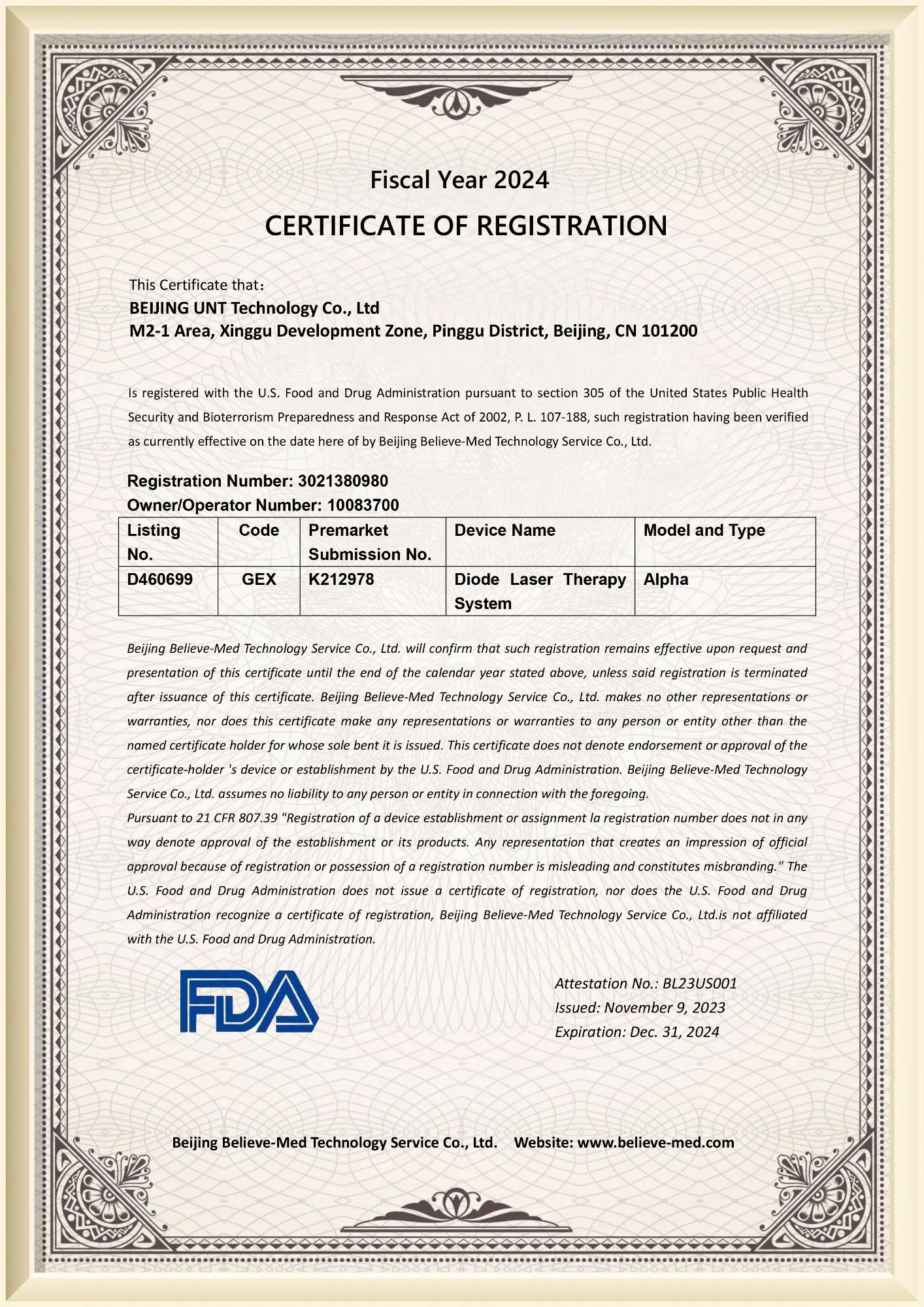
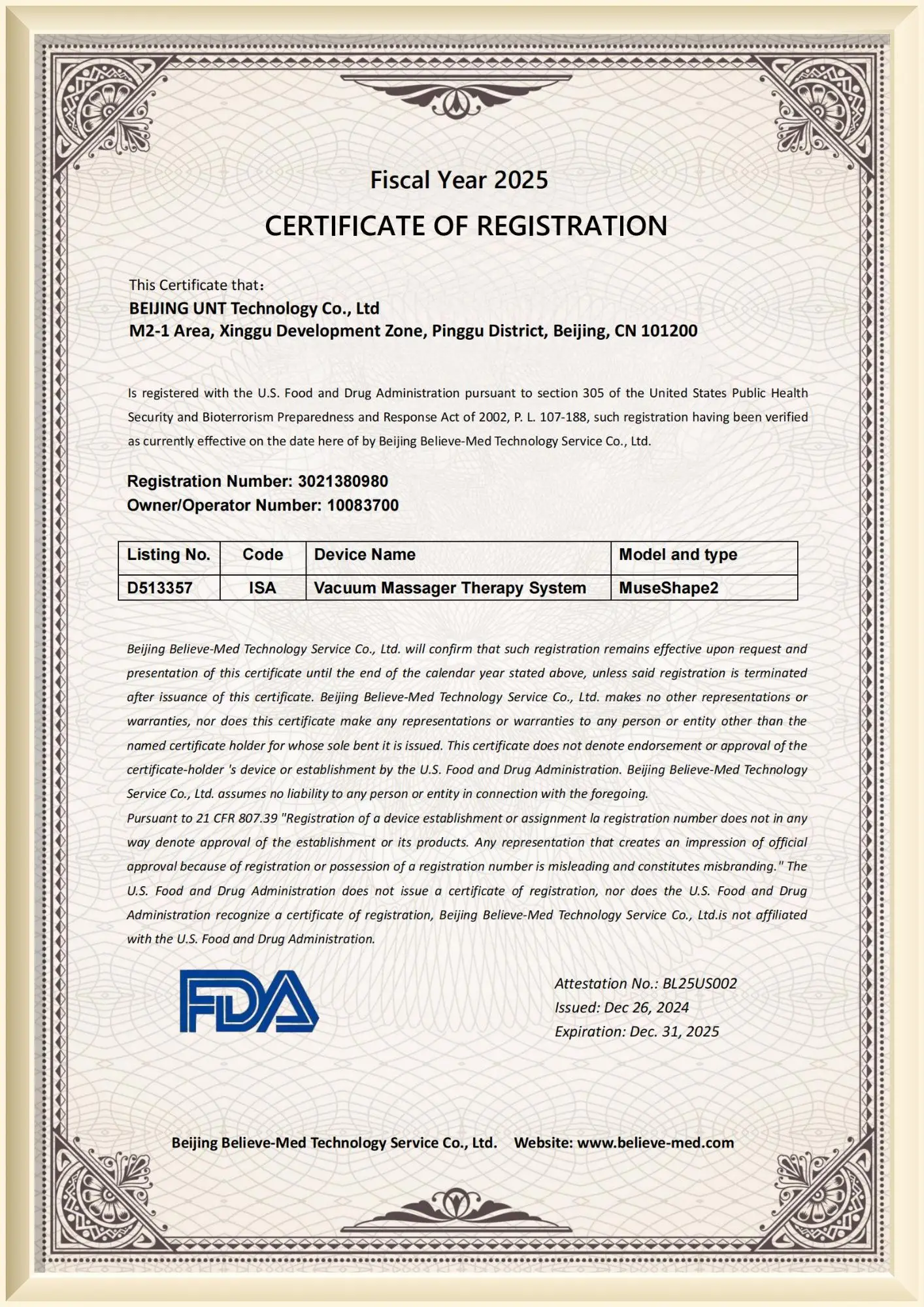
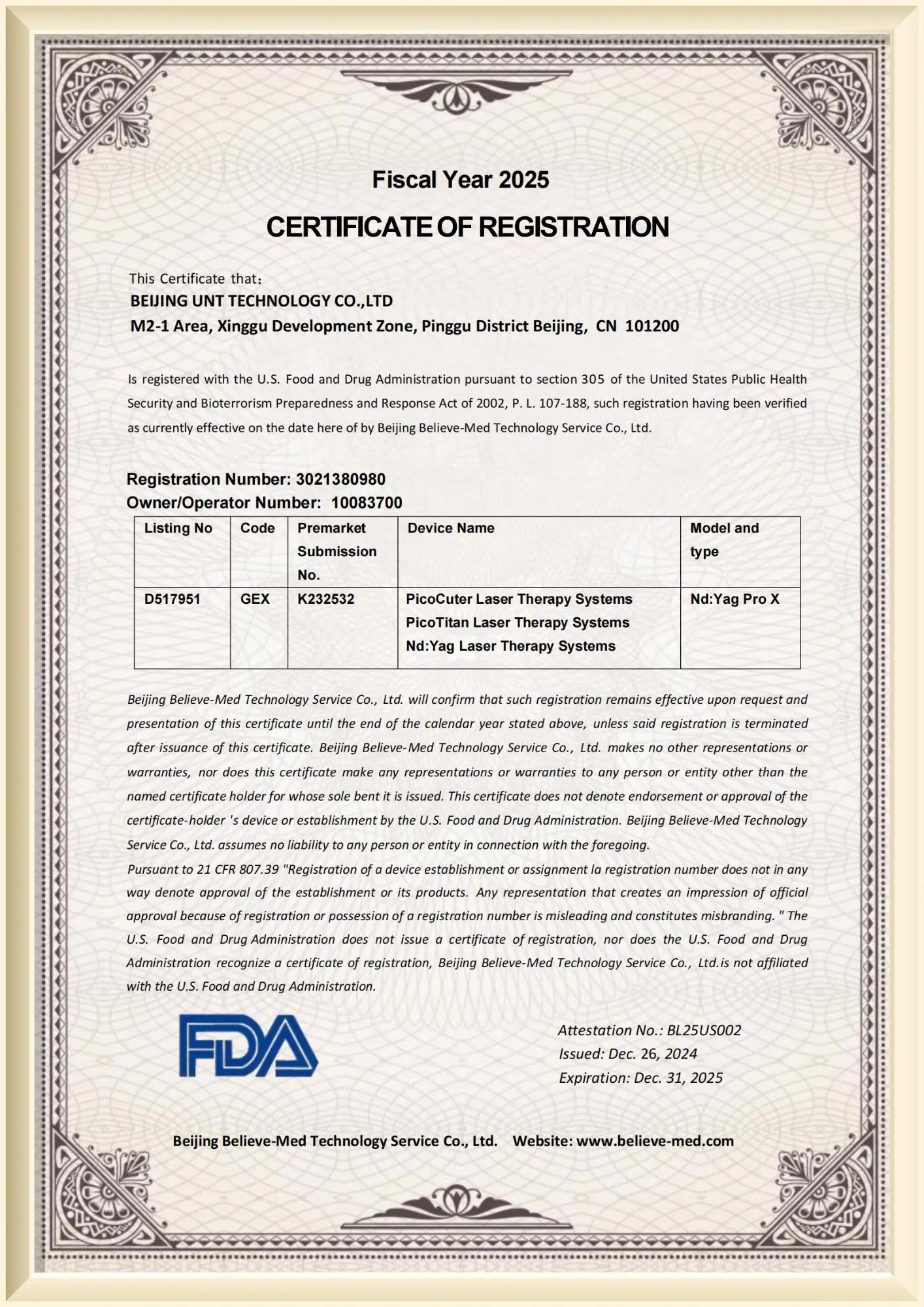
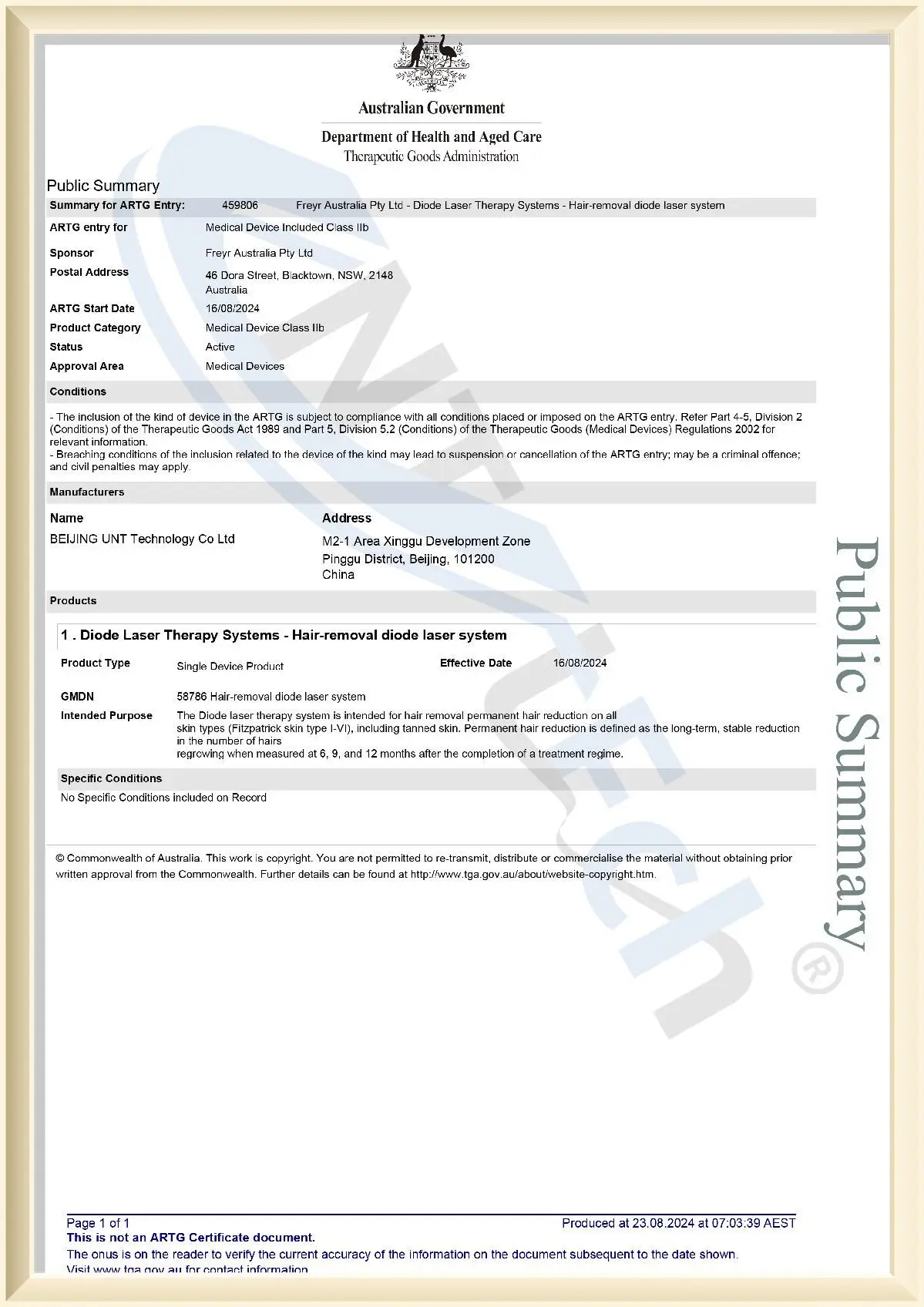
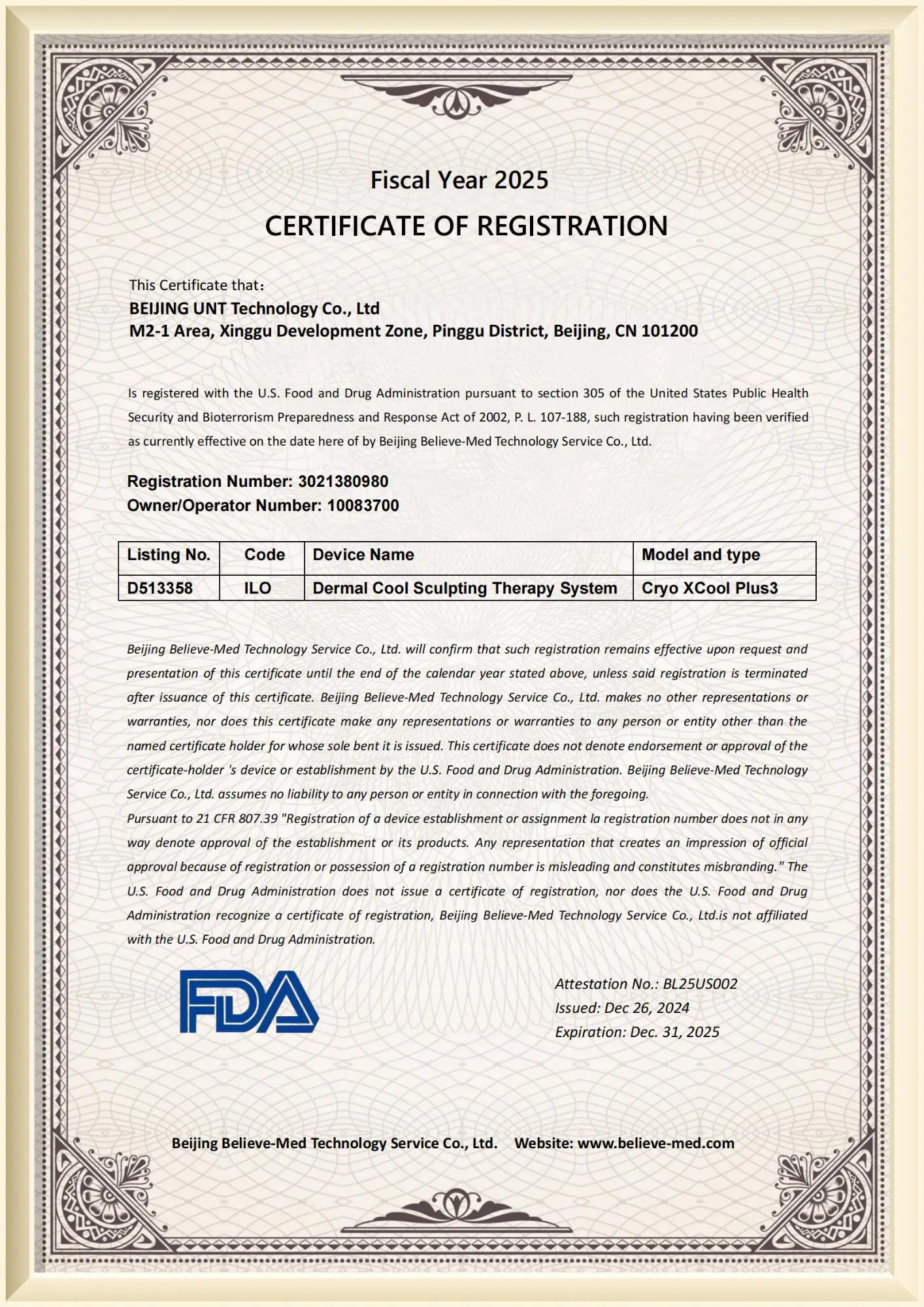
Secured 4 separate US FDA 510(k) clearances covering Diode Laser, Museshape, Nd:YAG, and Cryo Slimming devices.
Achieved ISO 13485 (MDR based), MDSAP certifications, and established European support facility "APEX" in the Netherlands.
Seamless business integration for distributors and spa owners in Greater Accra and beyond.
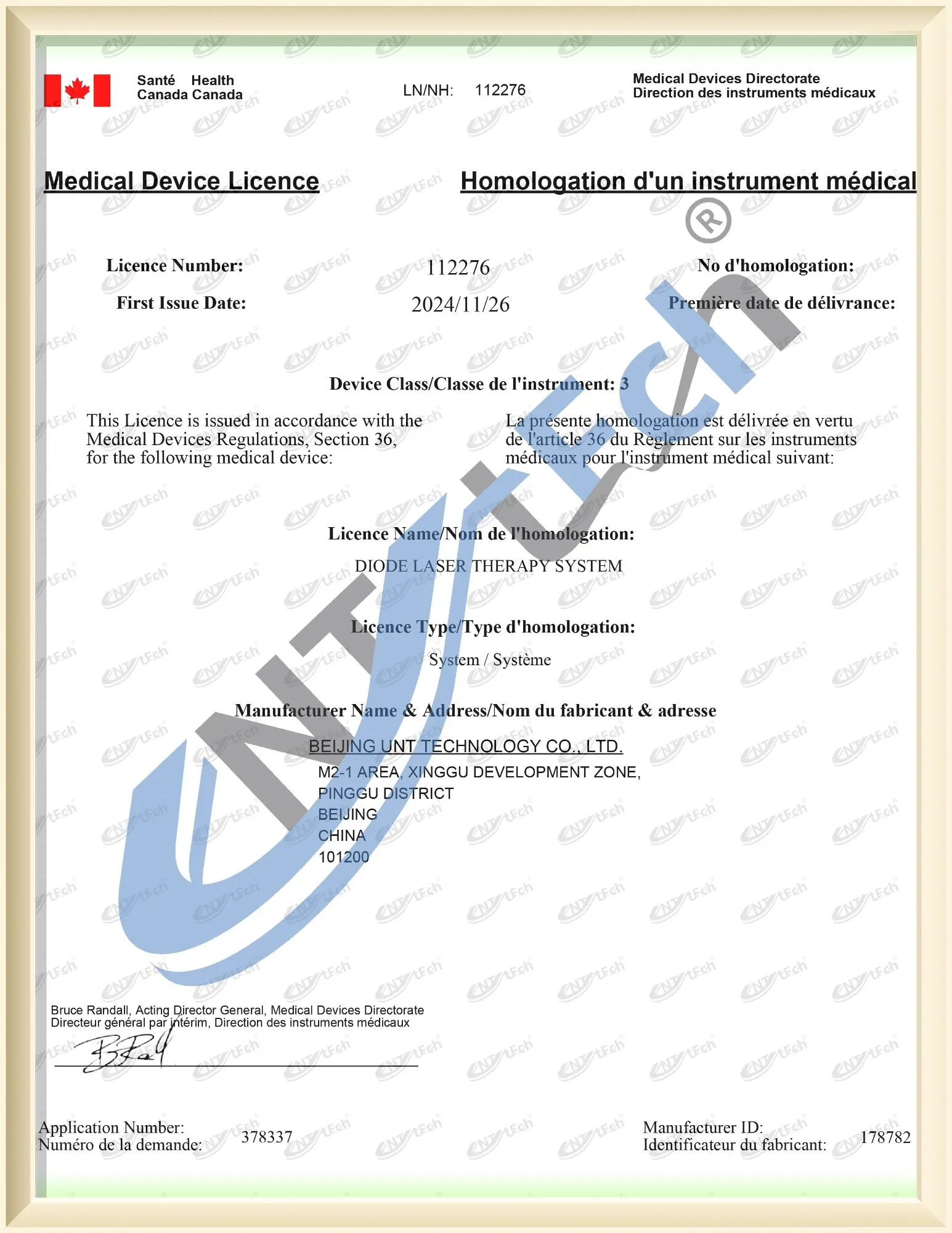
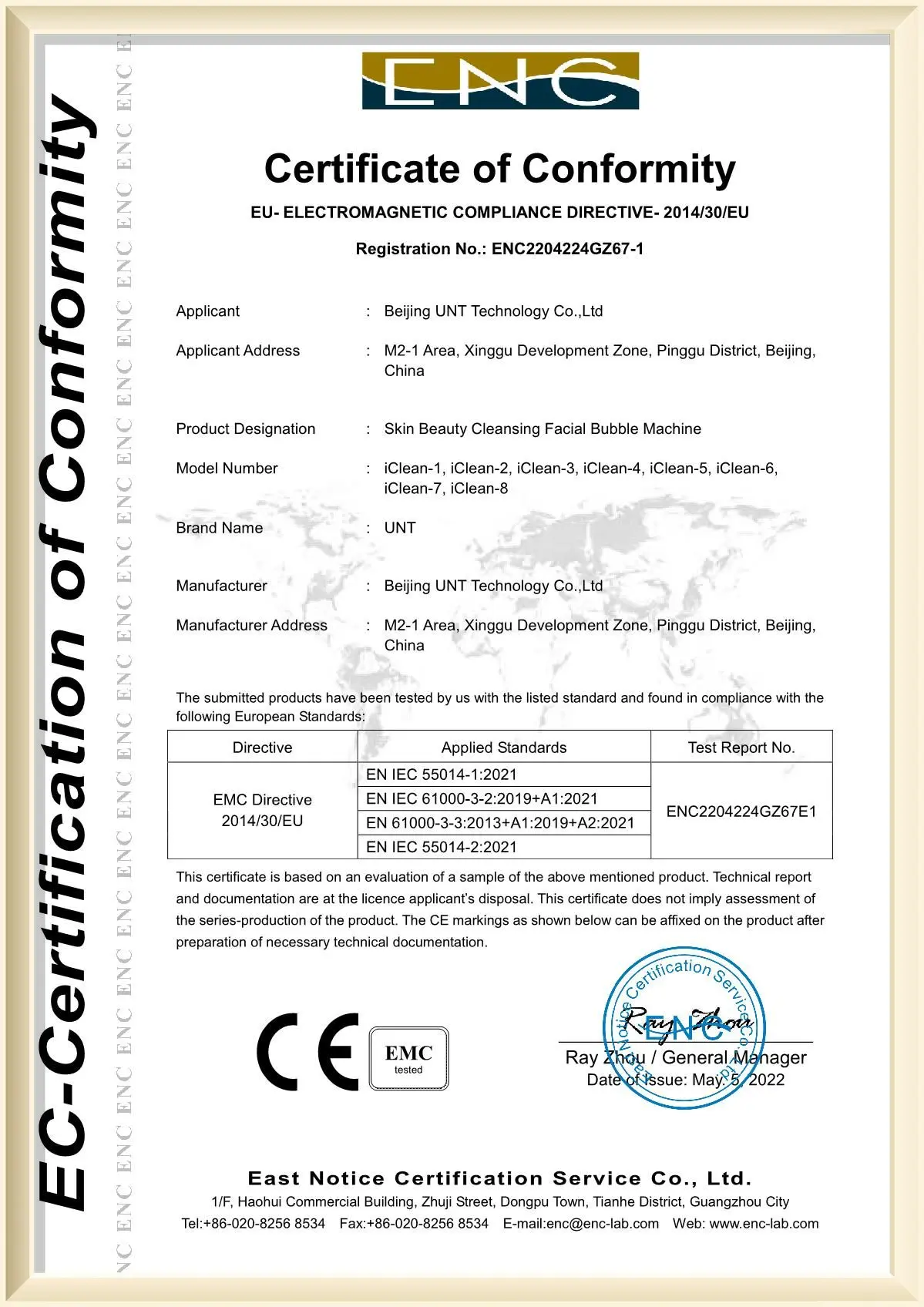
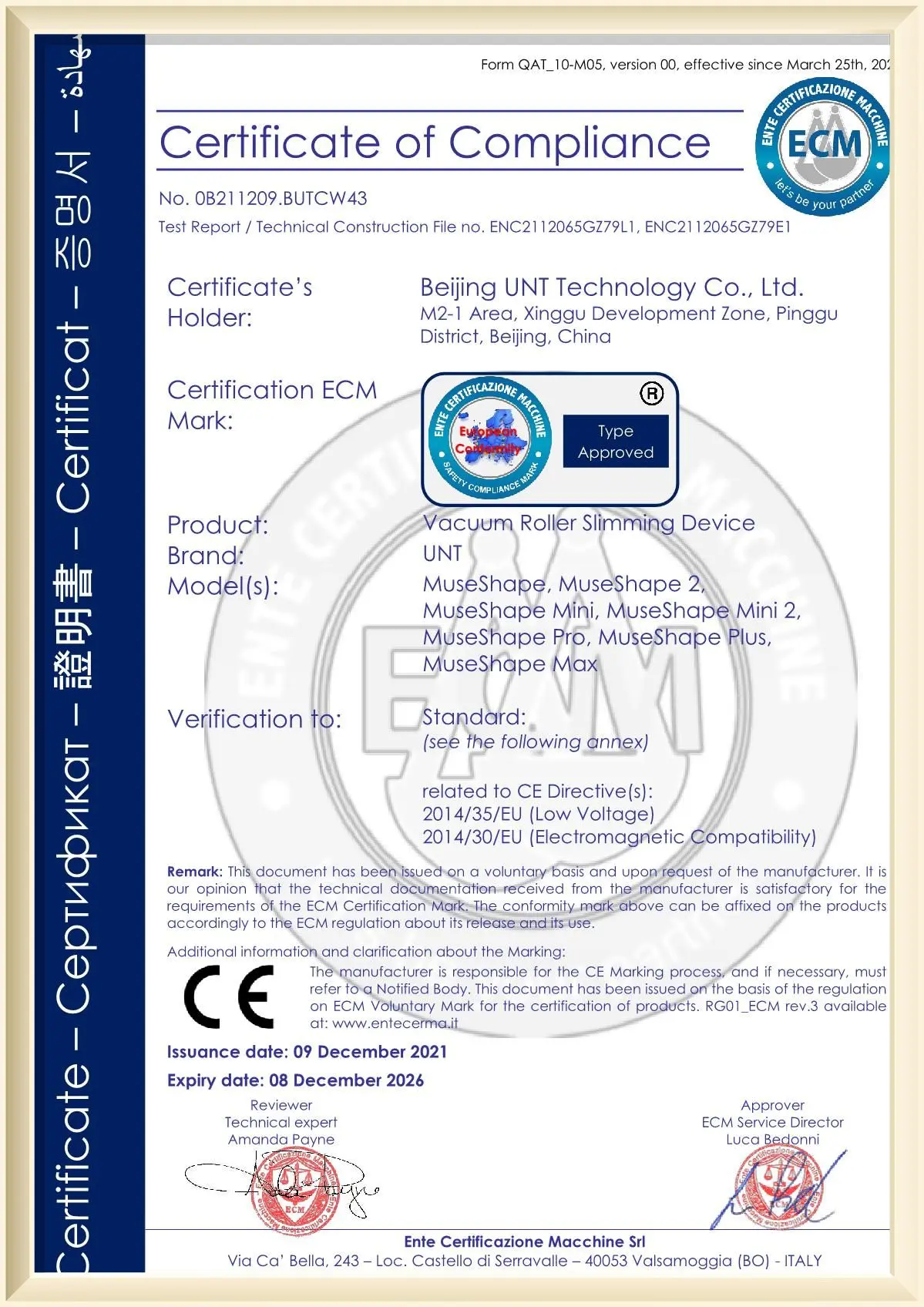
Importing electro-medical aesthetic devices into Ghana requires adherence to guidelines established by the Food and Drugs Authority (FDA) Ghana and the Ghana Standards Authority (GSA). UNT Technology simplifies this clearance framework by providing comprehensive documentation packages, including FDA 510(k), Medical CE (MDR), ISO 13485 certificates, electrical safety testing reports (IEC 60601-1), and declaration of conformity files.
Our regulatory desk supports Ghanaian distributors with local certification conversion, enabling fast customs clearance at Tema Port and Kotoka International Airport (ACC) without administrative delays.
We partner with premier international logistics networks (DHL, FedEx, UPS, TNT, EMS) to ensure safe, climate-protected transport to West Africa. All laser systems are enclosed in heavy-duty aluminum flight cases with internal shock-absorbing EVA foam and vacuum-sealed anti-moisture barriers to withstand tropical transit conditions.
Maximize revenue growth through versatile, multi-treatment laser platforms.
Utilizing 1064nm for dark black/blue inks and 532nm for epidermal red/brown pigments, UNT Q-Switched and Picosecond platforms allow comprehensive ink clearance over 4-8 sessions with low skin reaction risks.
Extremely popular in Accra’s high-end medical spas. Applying nanosecond 1064nm energy to topical carbon paste deep-cleans pores, controls sebum production in tropical humidity, and stimulates dermal collagen.
Safe low-fluence laser toning mode addresses post-acne hyperpigmentation, sunspots, and nevus of Ota on dark skin types without breaking the skin barrier or requiring downtime.
An average aesthetic clinic in East Legon or Airport Residential Area, Accra charges between GHS 800 to GHS 2,500 per tattoo removal session depending on tattoo dimensions. With machine operational costs below 5% per treatment and zero consumables (outside basic optical gel and protective eyewear), clinic operators typically recoup their initial equipment investment within 3 to 6 months of operation.
Addressing technical, operational, and purchasing inquiries regarding laser tattoo removal machines.
Explore our certified product line manufactured under strict ISO 13485 and FDA guidelines.
Direct Factory Pricing • Medical FDA & CE Certification • Customized OEM/ODM • Fast Express Shipping to West Africa
Send Inquiry Now UNT TECH