 UNT TECH
1 / 4
As age grows, myofibrils become loose and fragile because of pregnancy, fat accumulation, lack of exercise, and other factors. People become fatter and flabbier.
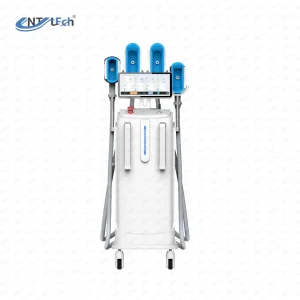
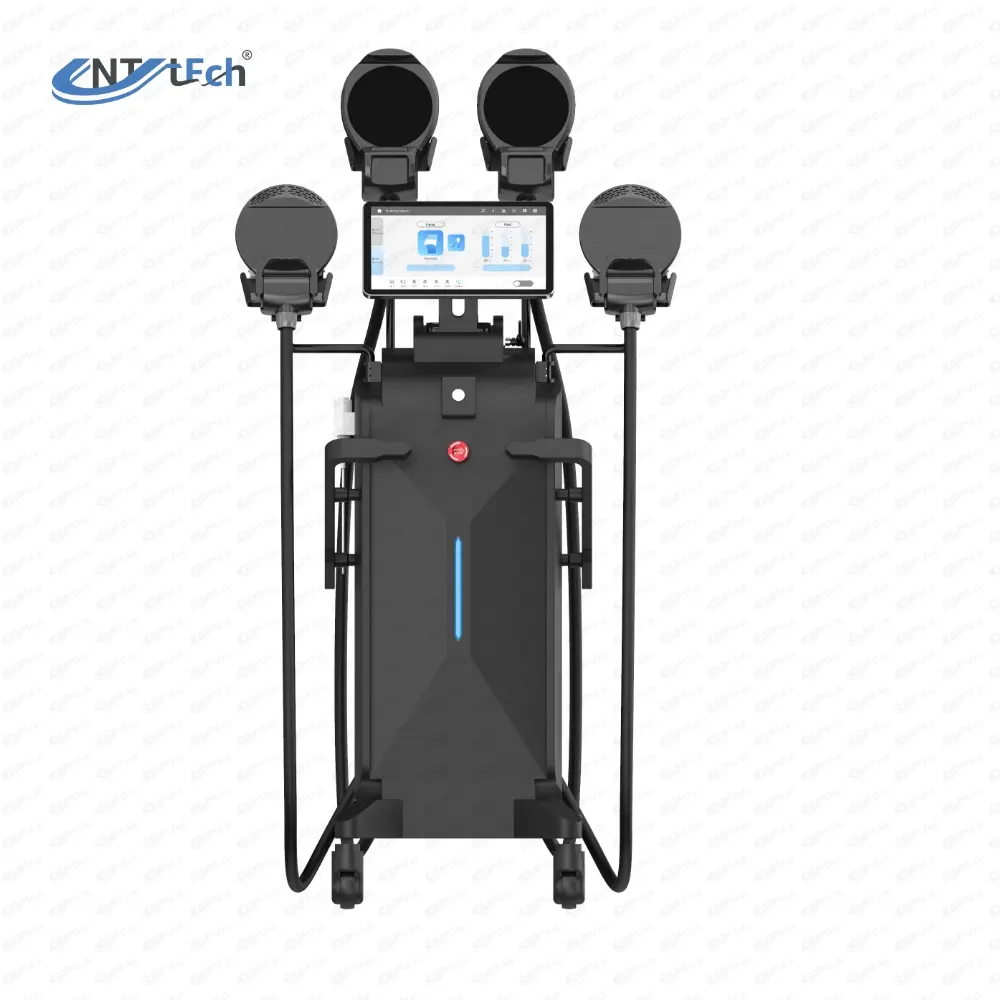
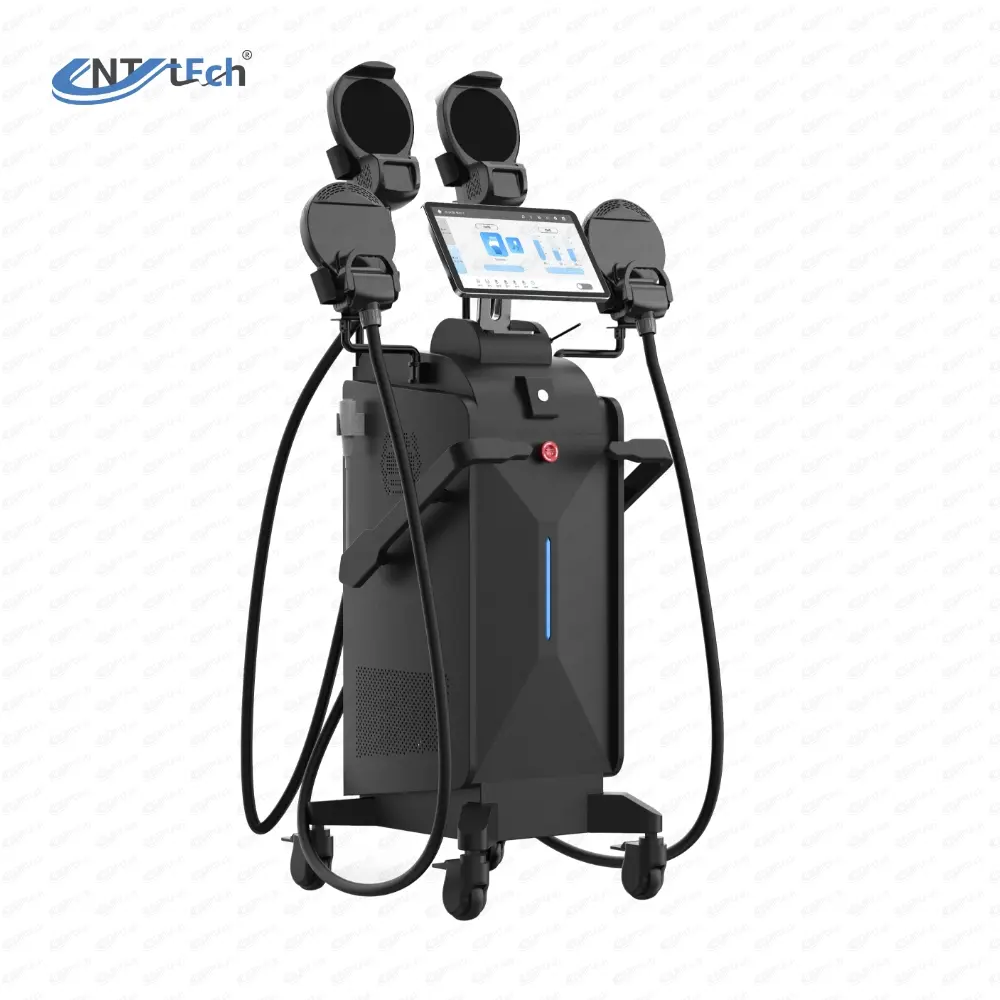
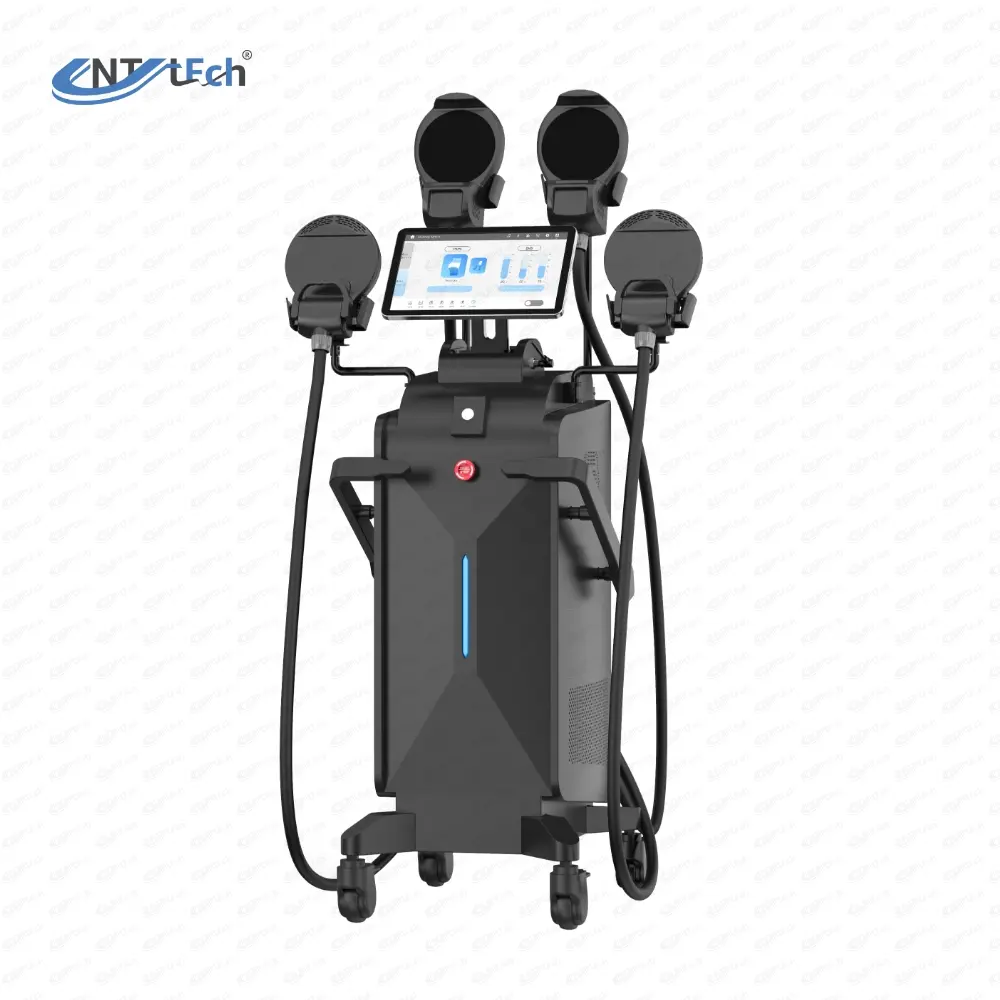
The equipment interacts with muscle neurons to induce supramaximal muscle contractions. In the process of continuous muscle contractions, part of the myofibrils are gradually broken to cause muscle self-repair.
After treatment, myofibrils tend to be strong and tight. Muscle becomes firm and elastic. It responds with a deep remodeling of the inner structure that results in muscle building, growth, and body shaping.
As the body ages, myofibrils lose their tightness and strength due to factors such as pregnancy, fat accumulation, lack of regular exercise, and other physiological changes. This process leads to flabbier and less toned muscles.
The specialized equipment targets and interacts directly with muscle neurons, sending signals that trigger intense, supramaximal muscle contractions that cannot be achieved through standard voluntary workouts.
During continuous and intense supramaximal muscle contractions, parts of the myofibrils are safely broken down. This micro-damage acts as a natural trigger, prompting the body to initiate its muscle self-repair and rebuilding mechanism.
Post-treatment, the repaired myofibrils become significantly stronger, tighter, and more dense. This results in firmer, more elastic muscles and a deeply remodeled internal muscle structure.
Yes. The deep structural remodeling of the muscles directly promotes muscle building, growth, and overall body shaping, helping to reverse the effects of loose and flabby tissue.