 UNT TECH
1 / 3
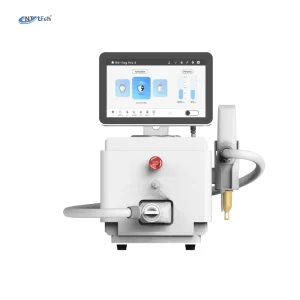
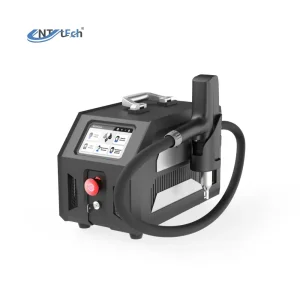
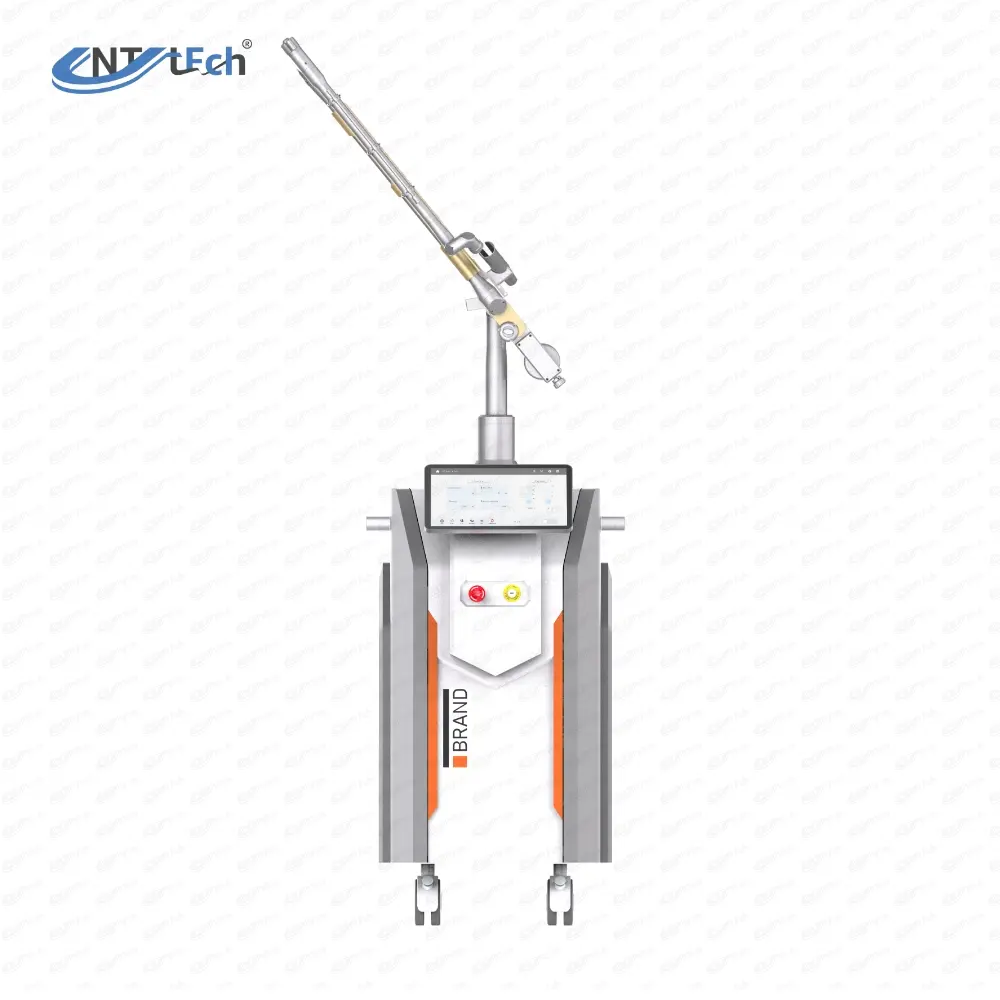
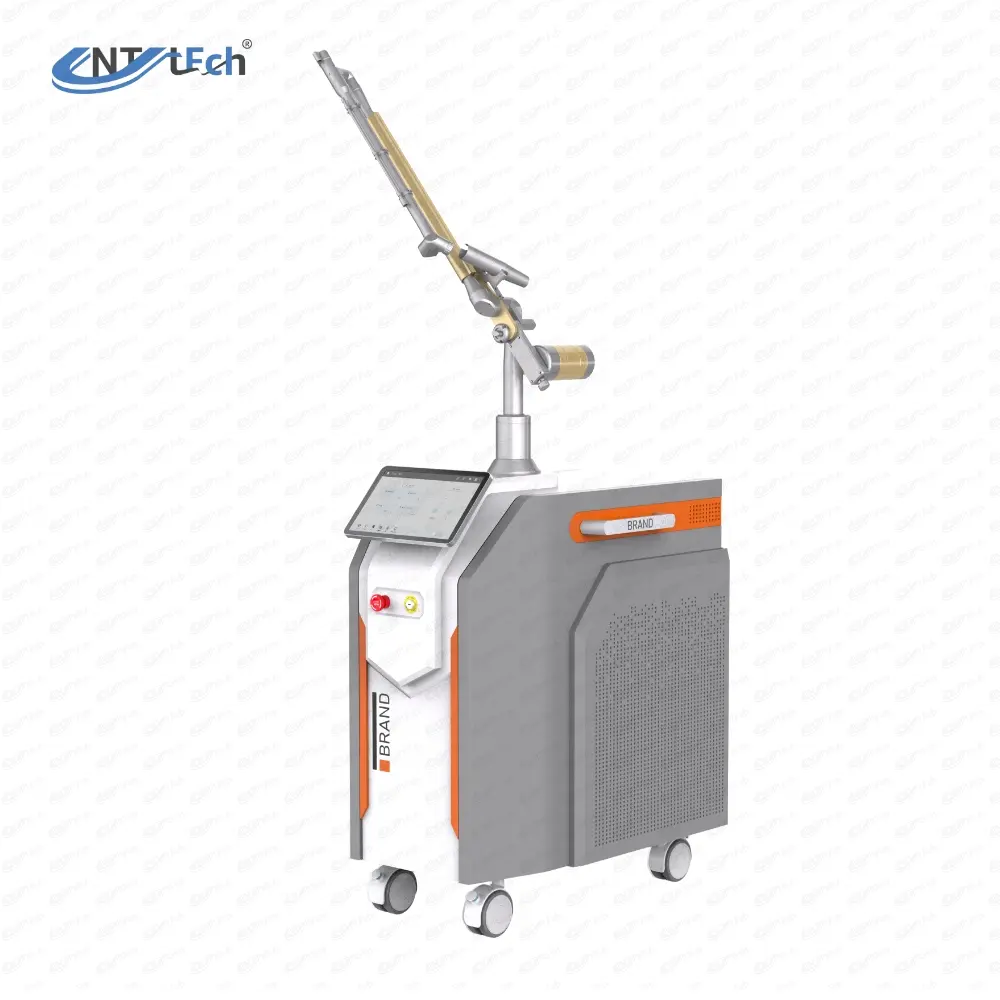
Uses picosecond (one trillionth of a second) pulses to target tattoo pigments.
Breaks down tattoo ink into smaller particles, making it easier for the body to remove.
Shorter pulse duration minimizes heat buildup, reducing skin damage and scarring risk.
Can target a wide range of ink colors with different wavelengths for more effective treatment.
Requires fewer sessions compared to traditional lasers due to its higher energy output.
It delivers ultra-short pulses of energy to tattoo ink, shattering the pigment into tiny, dust-like particles that are naturally processed and eliminated by the body's immune system.
Most patients experience minor discomfort, often described as feeling like a rubber band snapping against the skin. Numbing creams can be applied beforehand to minimize sensitivity.
Because picosecond lasers are highly efficient, they generally require fewer sessions than traditional lasers—typically ranging from 4 to 8 sessions depending on ink size, depth, and colors.
Yes, by utilizing multiple wavelengths, the picosecond laser can target a broad spectrum of ink colors, including stubborn greens, blues, and dark pigments.
The risk of scarring is extremely low. The ultra-short pulse duration limits heat buildup in the surrounding skin, protecting the tissue and promoting safer recovery.