 UNT TECH
1 / 4
As age grows, myofibrils become loose and fragile due to pregnancy, fat accumulation, lack of exercise, and other factors. People become fatter and flabbier.
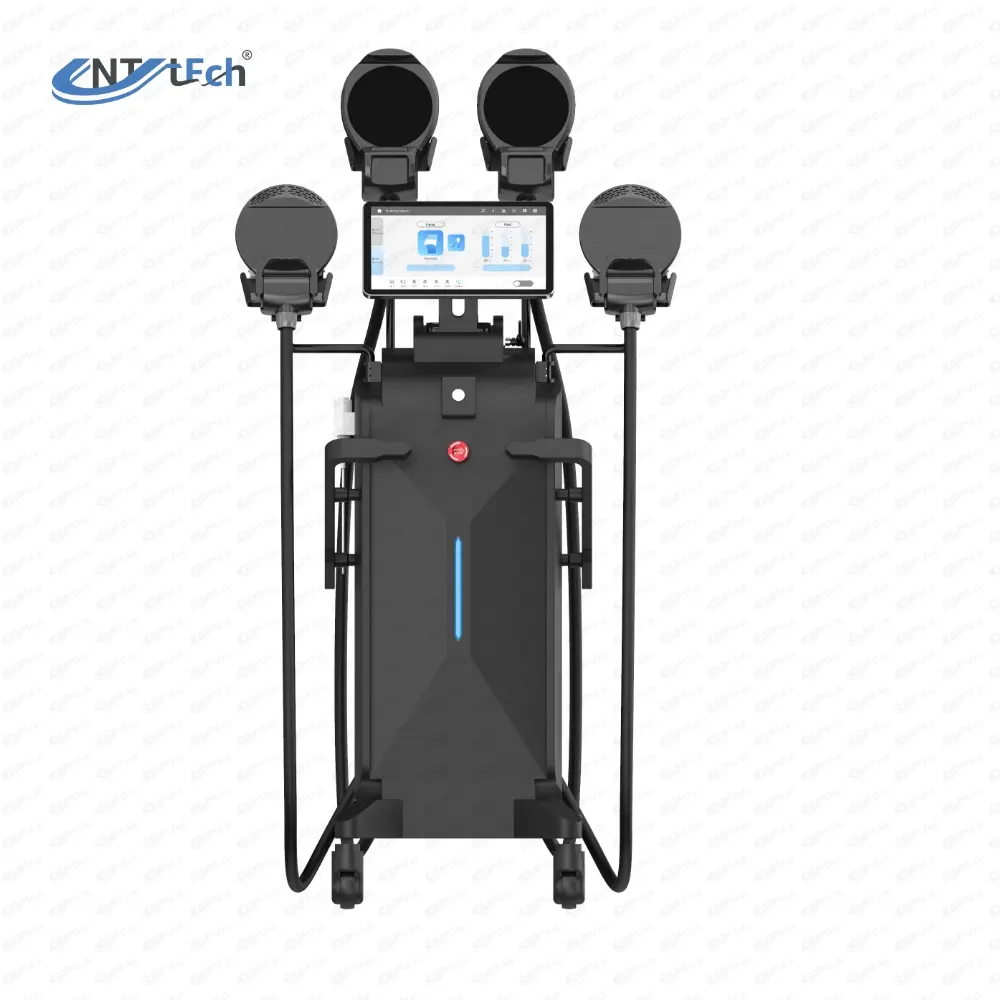
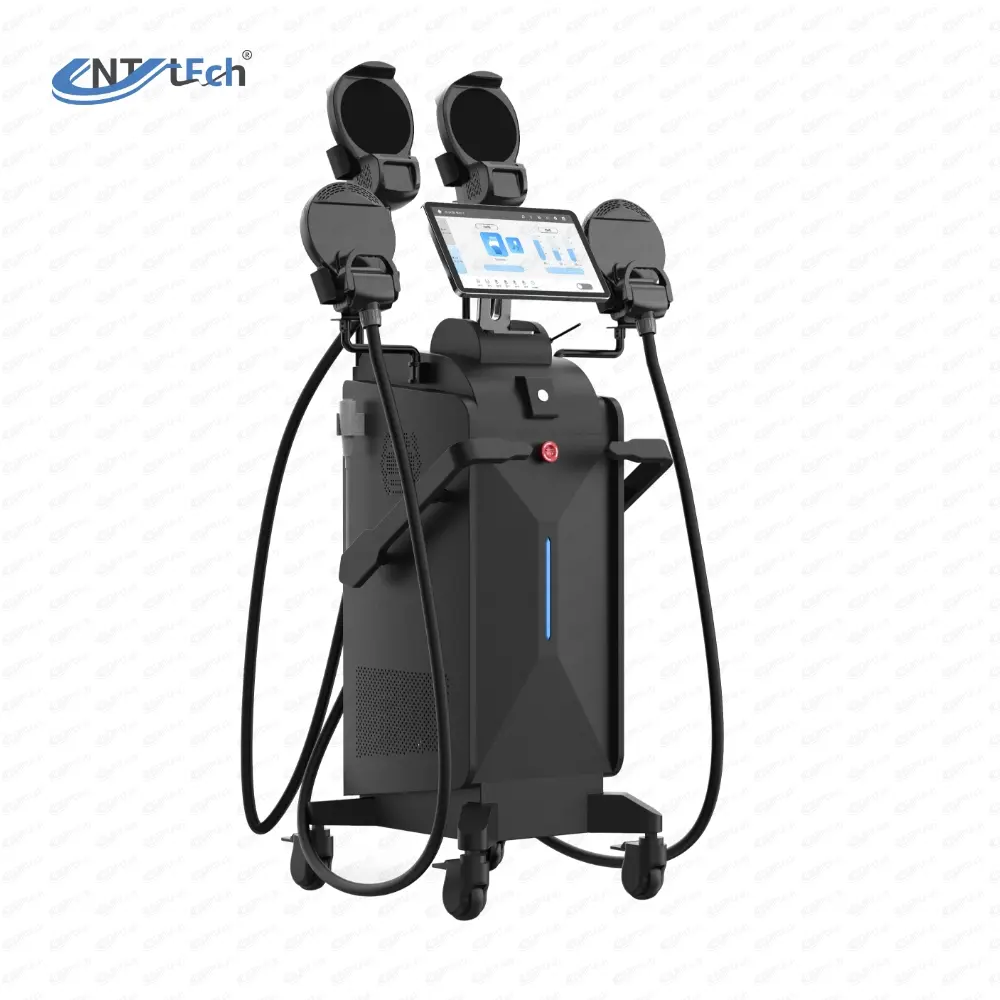
The equipment interacts with muscle neurons to induce supramaximal muscle contractions. In the process of continuous muscle contractions, part of the myofibrils are gradually broken to trigger muscle self-repair.
After treatment, myofibrils tend to become strong and tight. Muscle becomes firm and elastic. It responds with a deep remodeling of the inner structure that results in muscle building, growth, and body shaping.
Myofibrils naturally lose their tightness and structural integrity due to aging, pregnancy, fat accumulation, and a sedentary lifestyle, which often leads to a flabbier physical appearance.
The device works by directly interacting with motor neurons to stimulate supramaximal muscle contractions. These intense contractions cannot be achieved through voluntary exercise alone.
Yes. The microscopic breaking of myofibrils is a controlled, safe response to supramaximal stimulation. It mimics the natural muscle-tear process during heavy exercise, which is necessary to trigger the body's natural self-repair mechanism.
During the repair phase, the body rebuilds the myofibrils to be stronger, thicker, and tighter. This leads to increased muscle density, firmness, and enhanced elasticity.
By forcing the inner structure of the muscle to undergo deep remodeling, the treatment promotes both muscle hypertrophy (growth) and hyperplasia (new fiber creation), resulting in a more sculpted and toned body shape.