 UNT TECH
1 / 3
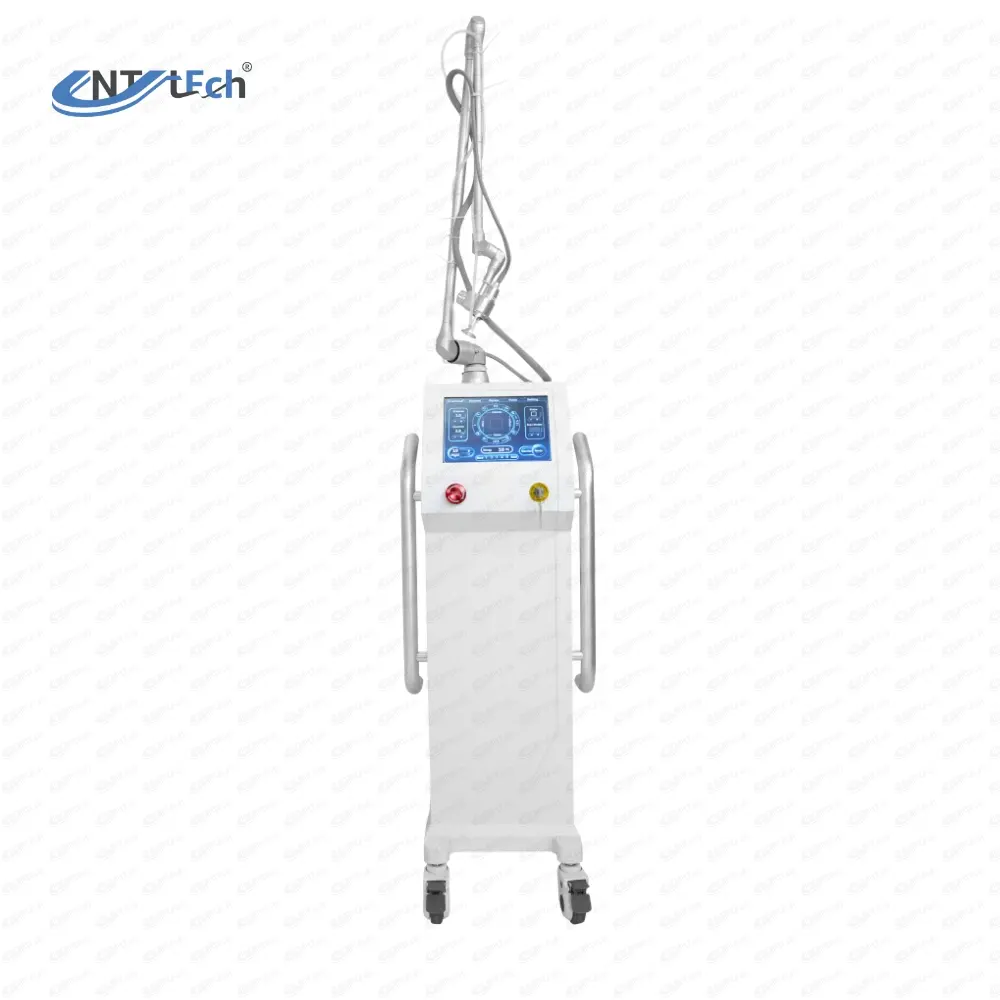
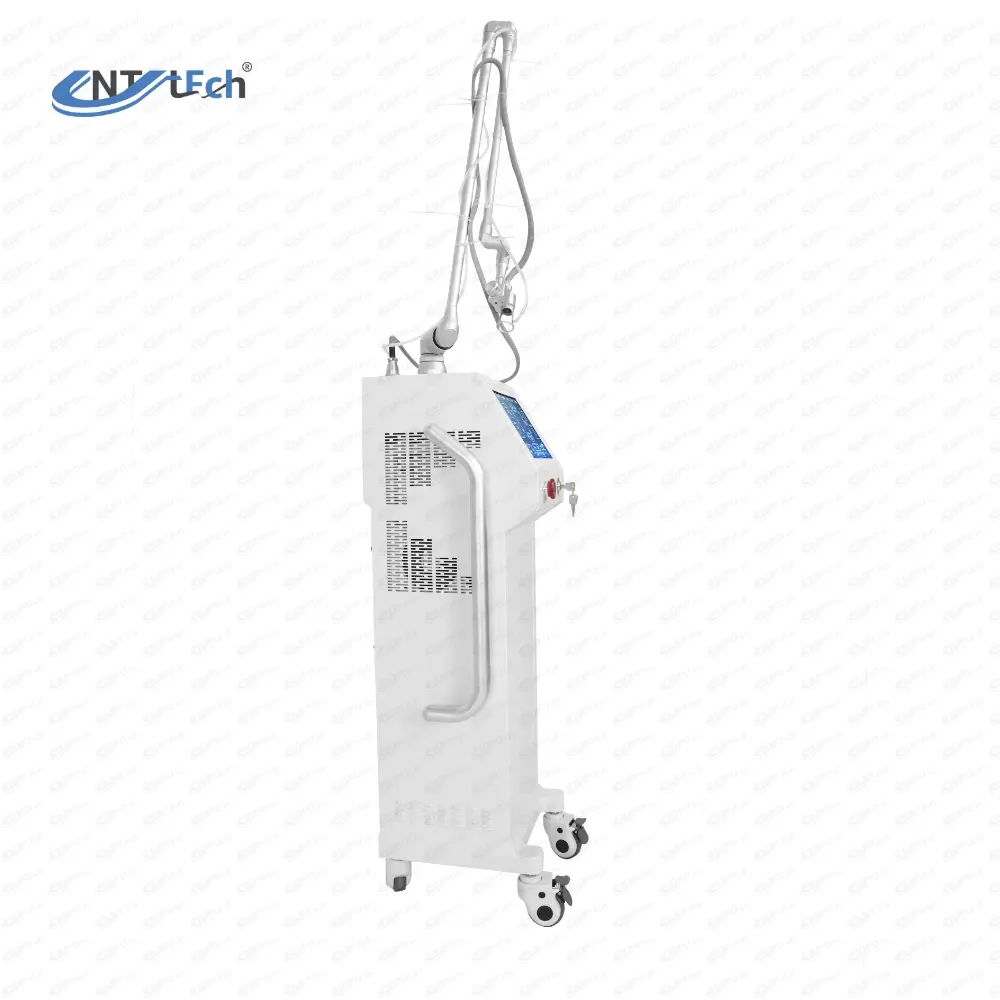
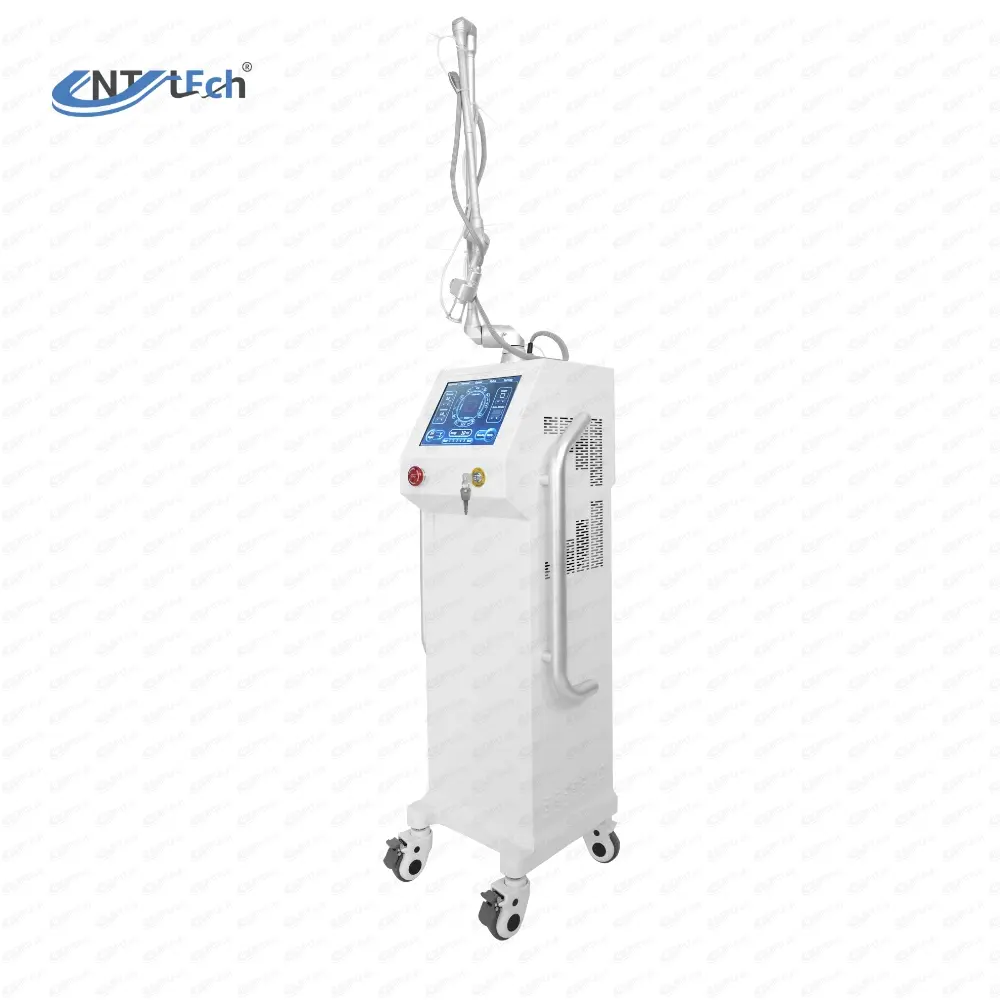
The fractional CO2 laser operates at 10600nm wavelength, which is selectively absorbed by water in skin tissue. This creates precise thermal effects where intracellular water instantly vaporizes within microseconds, forming microscopic treatment channels while preventing thermal damage to surrounding healthy tissue.
The laser beam splits into hundreds of microthermal zones (MTZs) measuring 100-200μm in diameter, covering only 15%-30% of the skin surface. This patterned treatment preserves intact skin as healing reservoirs, reducing recovery time to typically 3-7 days.
Customizable energy density, pulse duration, and treatment density allow tailored protocols for acne scars, photoaging, and dyschromia, achieving synergistic epidermal remodeling and dermal reconstruction.
The fractional CO2 laser operates at a 10600nm wavelength. It is selectively absorbed by water in the skin tissue, causing intracellular water to instantly vaporize within microseconds to create precise treatment channels.
By splitting the laser beam into hundreds of microthermal zones (MTZs) that cover only 15%-30% of the skin surface, this technology leaves the surrounding intact skin to act as healing reservoirs. This reduces typical recovery time to just 3-7 days.
The ablative effect immediately vaporizes the epidermal stratum corneum and partial dermis to eliminate surface imperfections. The thermal effect heats the subsurface skin to activate fibroblasts for long-term collagen remodeling.
The subsurface heating stimulates fibroblasts to induce neocollagenesis over a 3-6 month period. This process helps optimize the ratio of type I and type III collagen to a healthy 4:1 level.
By customizing parameters like energy density, pulse duration, and treatment density, protocols can be tailored to treat acne scars, photoaging, and dyschromia for effective dermal reconstruction.
Through 3-6 months of continuous thermal stimulation and neocollagenesis, the treatment optimizes the type I and type III collagen ratio back to a healthy 4:1 level.