Precision-engineered clinical platforms manufactured under ISO 13485 and FDA 510(k) quality frameworks.
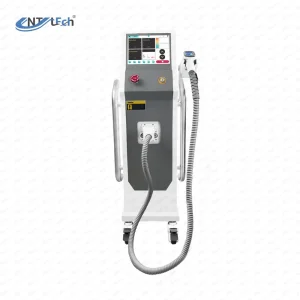
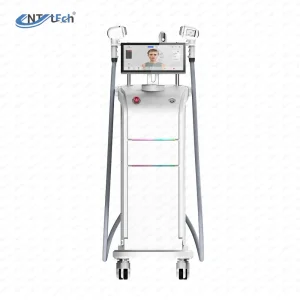
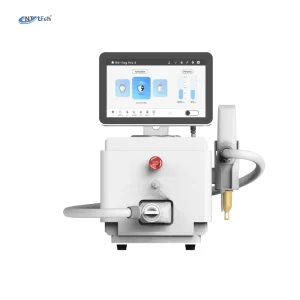
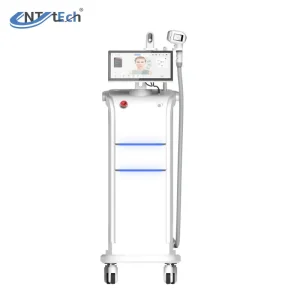
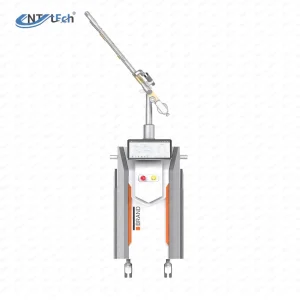
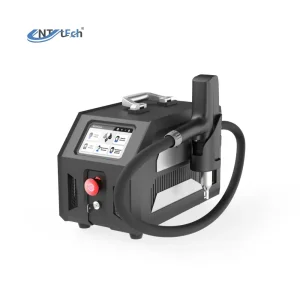
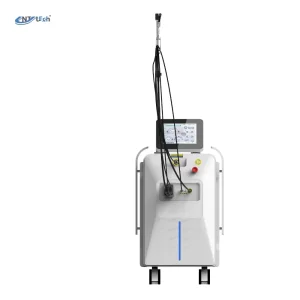
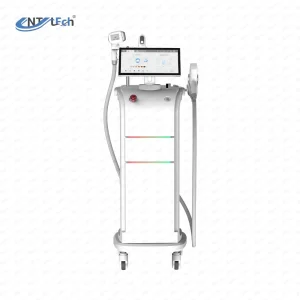
The global market for medical aesthetic laser tattoo removal has transitioned from a specialized clinical niche into a mainstream segment of dermatology and aesthetic medicine. As global consumer demand for high-grade tattoo clearance ("Laser Away" protocols) escalates, clinical operators, chain medical spas, and brand distributors are increasingly seeking Original Equipment Manufacturer (OEM) and Original Design Manufacturer (ODM) partners capable of engineering pulse-durations in the sub-nanosecond and picosecond regimes.
In modern dermatological practice, evaluation of laser away tattoo removal before and after metrics relies on precise physics: breaking exogenous pigment particles into sub-cellular fragments without compromising dermal structure. For OEMs and suppliers, achieving consistent clearance across complex multi-color ink profiles requires advanced optoelectronic integration, high peak power output, and strict pulse stability.
Leading global suppliers must bridge the gap between heavy optical laser physics and real-world clinical operations. Beijing UNT Technology Co., Ltd. stands as an industry benchmark in this transformation, deploying automated manufacturing workflows, ISO Class 7 cleanrooms, and medical-grade quality control systems to supply world-class laser platforms globally.
To understand the clinical efficacy seen in real-world laser away tattoo removal before and after documentation, one must examine selective photothermolysis and photoacoustic fragmentation. Tattoo ink particles residing within dermal macrophages range in size from 0.5 to 2.0 micrometers. Standard nanosecond Q-switched lasers rely primarily on thermal relaxation times (TRT), generating intense localized heat to disrupt pigment.
Next-generation Picosecond laser systems operate with pulse widths shorter than the stress relaxation time of tattoo ink (<1 nanosecond). This ultra-short energy delivery creates a predominantly photoacoustic pressure wave rather than purely thermal heating. The resulting acoustic stress exceeds the structural strength of the ink particles, shattering them into dust-like granules (<10 nm) easily phagocytized by lymphatic macrophages.
Tattoo inks consist of varying heavy metal complexes and organic dyes. Target clearance requires specific optical absorption coefficient peaks:
Preventing post-inflammatory hyperpigmentation (PIH), scarring, and hypopigmentation demands flat-top spatial beam profiles (Top-Hat). Traditional Gaussian beams create central energy spikes that risk epidermal blistering. OEM lasers built with homogenized beam optics ensure uniform fluence delivery across the entire spot area, accelerating recovery times shown in before-and-after evaluations.
| Laser Technology Standard | Pulse Width Range | Primary Fragmentation Mechanism | Average Sessions to Clearance | Thermal Damage Risk Profile |
|---|---|---|---|---|
| Legacy Q-Switched Nd:YAG | 5 ns – 20 ns | Photothermal (High Heat Transfer) | 8 – 14 Sessions | Moderate to High (PIH Risk on Skin IV-VI) |
| Advanced OEM Picosecond System | 300 ps – 750 ps | Photoacoustic (Pressure Fracture) | 4 – 7 Sessions | Minimal (Preserves Epidermal Layer) |
| Dual-Pulse Hybrid Platforms | Nano + Pico Stacked | Combined Thermal Softening & Acoustic Shatter | 3 – 6 Sessions | Controlled via Integrated Cooling |
For medical equipment distributors and clinical spa franchises, demonstrating verifiable ink clearance in laser away tattoo removal before and after trials is essential for commercial conversion and patient satisfaction. Professional OEM systems integrate diagnostic tools and operational protocols based on validated clinical scoring algorithms.
Clinical evaluation of ink clearance progression requires quantifying key patient and tattoo variables prior to treatment:
Leading OEM devices incorporate skin-sensing optical diagnostic cameras and software metrics to quantify color clearance percentage between clinical sessions:
Achieving clear "After" results within 4 to 6 treatments requires consistent peak pulse power stability ($>1.0\text{ GW}$). Low-cost laser platforms experiencing energy decay after 500,000 shots leave residual ink ghosts, leading to patient dissatisfaction and higher liability. Engineering-grade OEM equipment utilizes solid-state laser cavities with active optical feedback loops to maintain 100% pulse output fidelity over millions of pulses.
In the dynamic and ever-evolving landscape of the global medical and aesthetic equipment industry, Beijing UNT Technology Co., Ltd has emerged as a trailblazer, setting new standards for innovation, quality, and customer service. As a high-tech enterprise, our unwavering commitment to excellence is reflected in every aspect of our operations, from research and development to production, sales, and after-sales support.

In the aesthetic equipment realm, our R & D team is dedicated to creating products that enhance the beauty and well-being of individuals worldwide through precision engineering.

We are at the forefront of developing non-invasive and minimally invasive aesthetic treatments targeting rapid clinical efficacy and zero patient downtime.

Our latest line of laser-based aesthetic devices can effectively treat a wide range of skin conditions, including wrinkles, acne scars, hair removal, and complex multi-color pigmentation issues.

These devices are designed to deliver optimal clinical before-and-after results with minimal discomfort and minimal downtime for patients across all skin types.
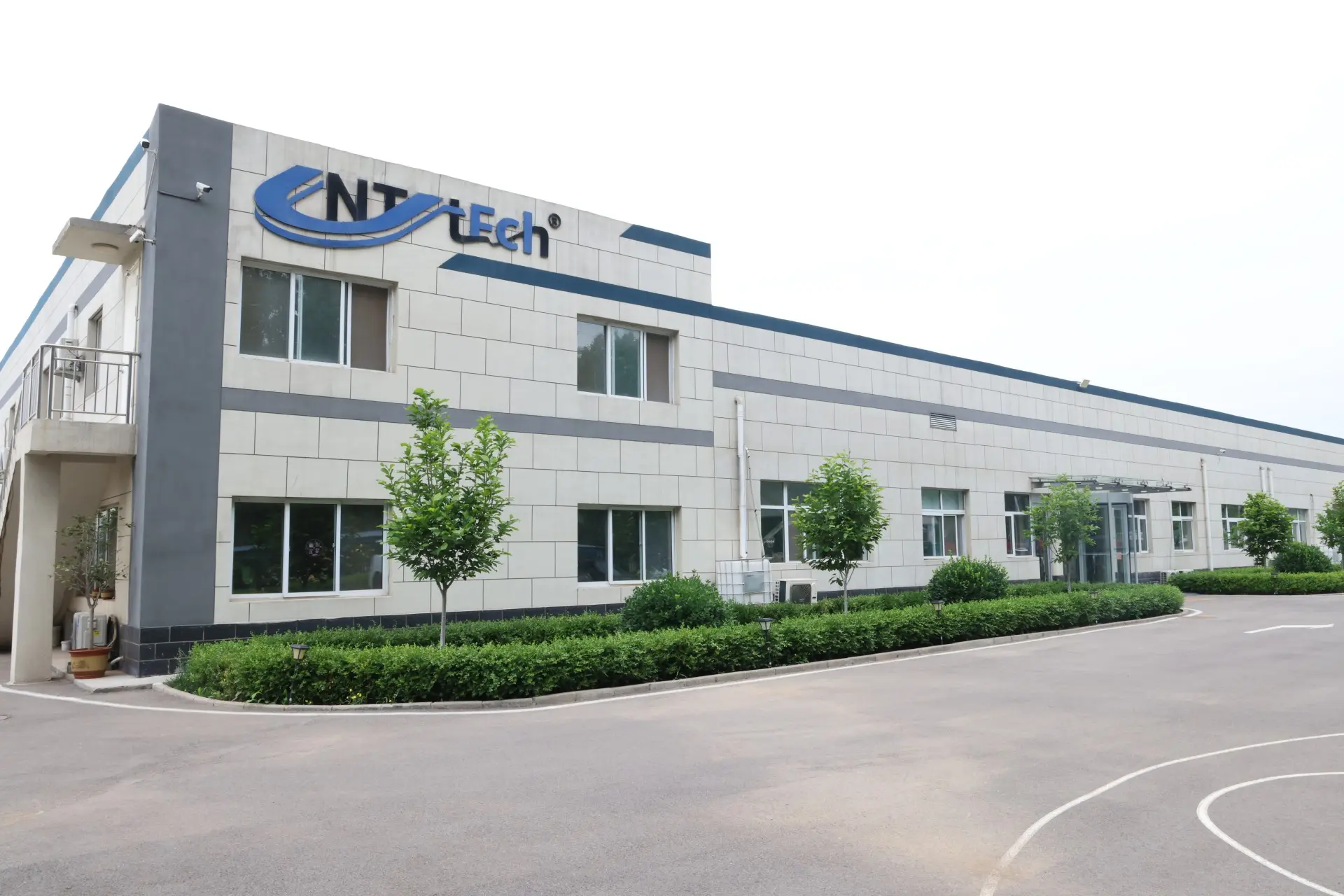
Complementing our strong R & D capabilities is our large-scale production facility. Spanning an impressive 6,000 square meters in the heart of Beijing, China, our comprehensive office houses a state-of-the-art production line. This facility is equipped with advanced manufacturing equipment and follows strict quality control processes to ensure that every product that leaves our factory meets global regulatory standards.
Our production team is made up of experienced professionals well-versed in advanced optical and electronic assembly. We have implemented a lean manufacturing approach, optimizing our production processes, reducing waste, and maximizing operational productivity.
Quality control is a top priority at Beijing UNT Technology Co., Ltd. Every product undergoes rigorous testing at various stages of production. From raw material optical testing to final beam profiling, we ensure every system is reliable, durable, and clinical-grade. We strictly comply with ISO 13485 for medical devices.
Our production capacity is highly scalable to meet global market demands. Whether servicing custom OEM orders for specialized medical clinics or volume manufacturing for international chains, we deliver on time without compromising quality.
Our commitment extends beyond delivery. Our technical support team is available 24/7. We offer on-site installation, clinical training, and rapid replacement component shipping through our global network.
A decade of technological advancement in aesthetic energy-based devices.
UNT was officially registered and established in Beijing and Hong Kong, China, laying the foundation for advanced R&D in aesthetic lasers.
Independently designed and commercialized high-efficiency IPL pulse therapy platforms for global distribution.
Pioneered the handle-integrated touch screen interface for Diode laser hair removal systems, setting an industry design standard.
Developed comprehensive Nd:YAG Q-switched and long-pulse medical laser systems targeting pigmented lesions and vascular treatments.
Launched "SmartDepi", the world's first smart Android-based operating system integrated into professional diode laser platforms for cloud updates and treatment data tracking.
Expanded manufacturing base to 6,000 square meters in Beijing, growing the specialized workforce to over 130 engineers and technicians.
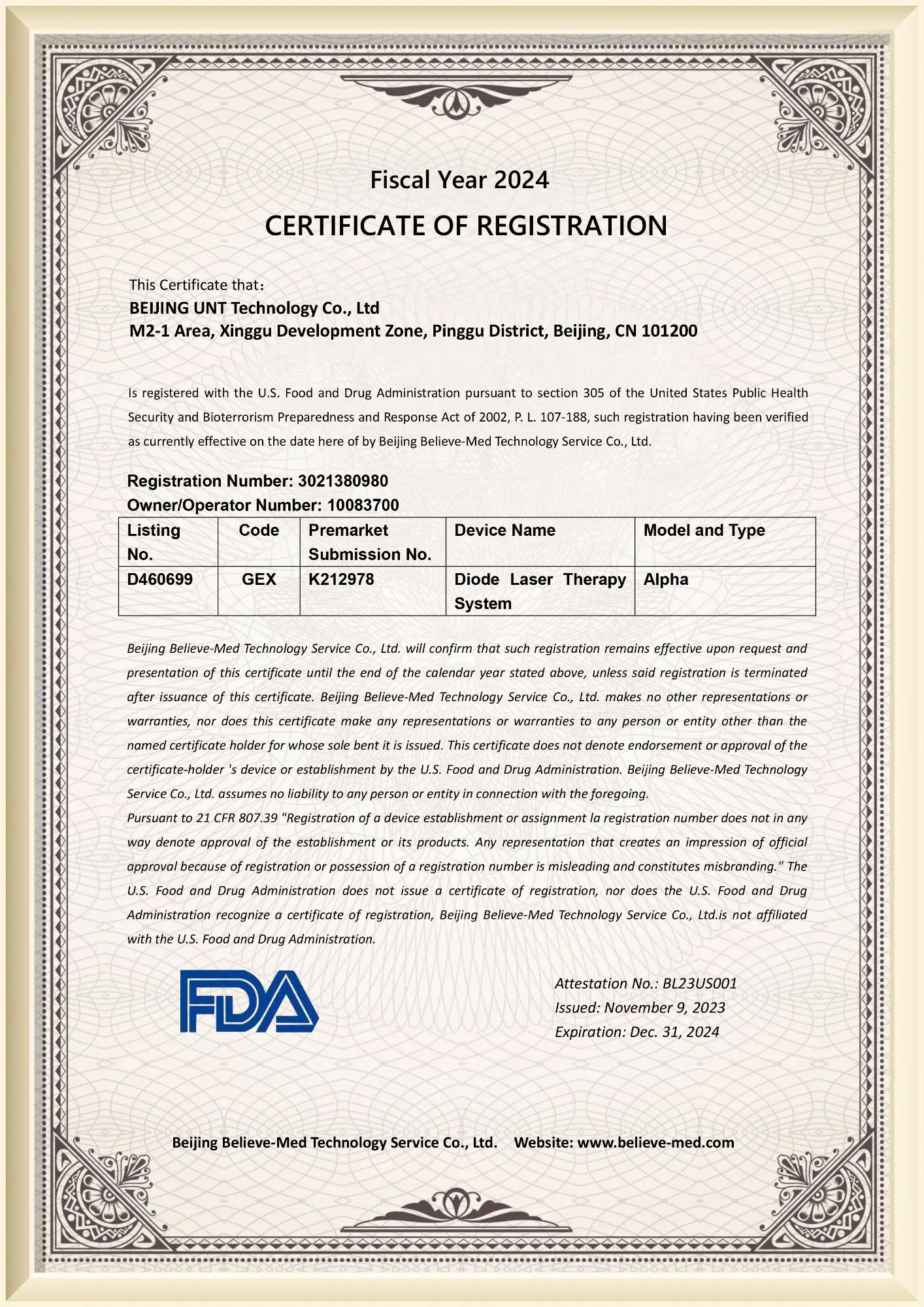
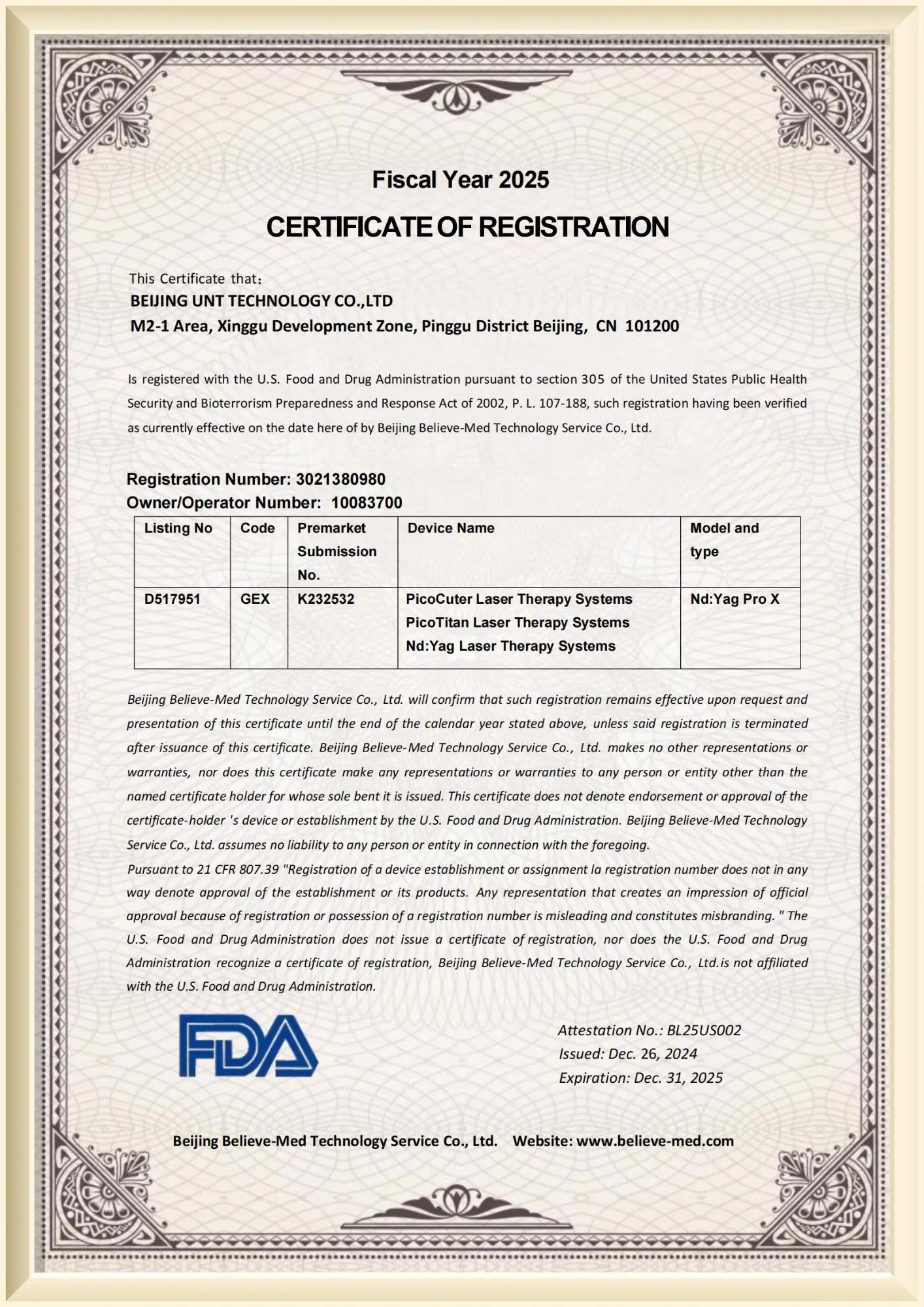
Secured four simultaneous US FDA 510(k) clearances covering Diode Laser, Museshape, Nd:YAG Laser, and Cryolipolysis Slimming systems.
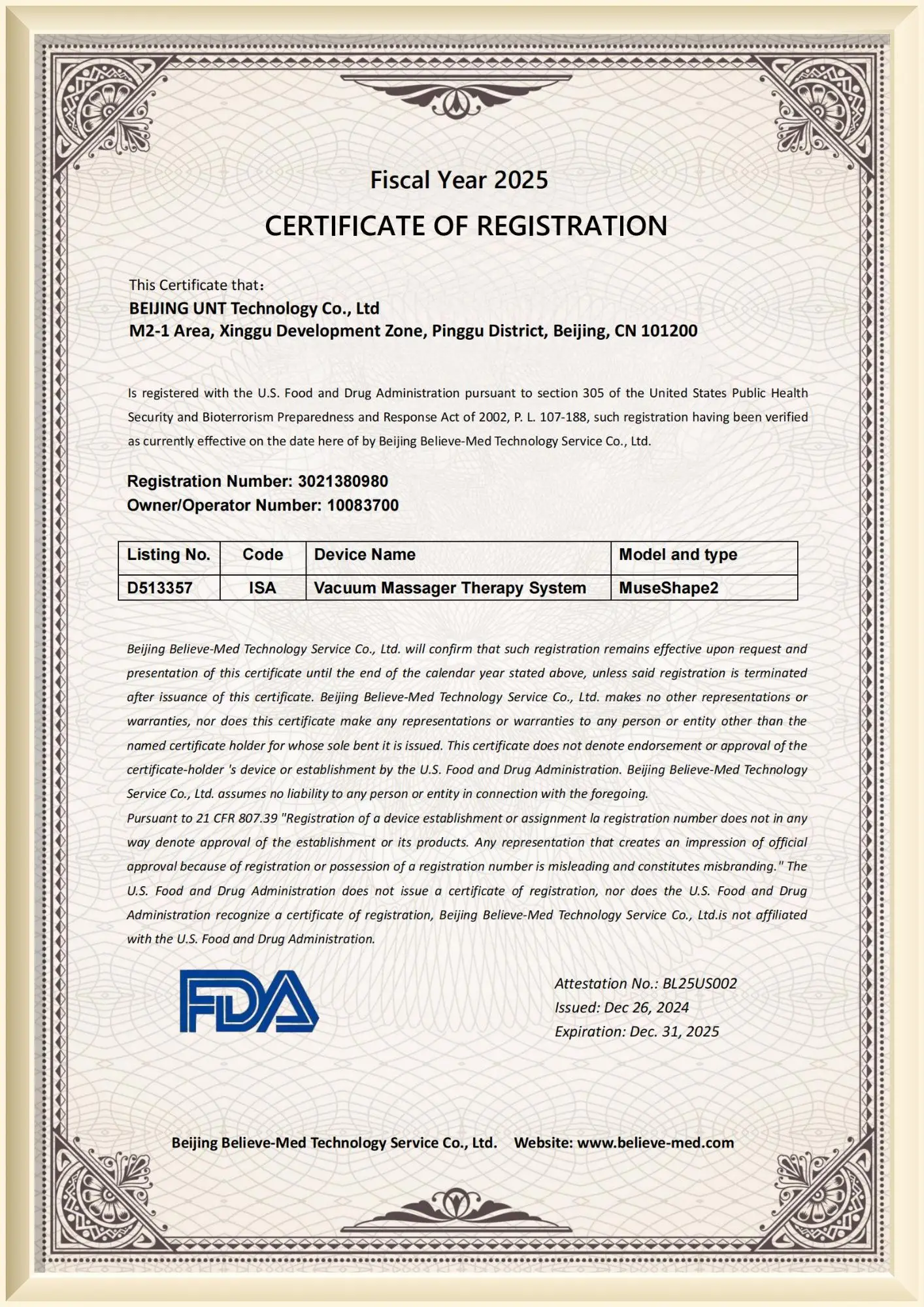
Achieved ISO 13485 (MDR aligned) and MDSAP certifications. Earned Medical Device Regulation (MDR) CE approval and established the "APEX" European Service Center in the Netherlands.
Our medical aesthetic systems hold global certifications verifying compliance with stringent health and safety standards.
FDA 510(k) Clearance
MDR CE Certification
ISO 13485 Quality System
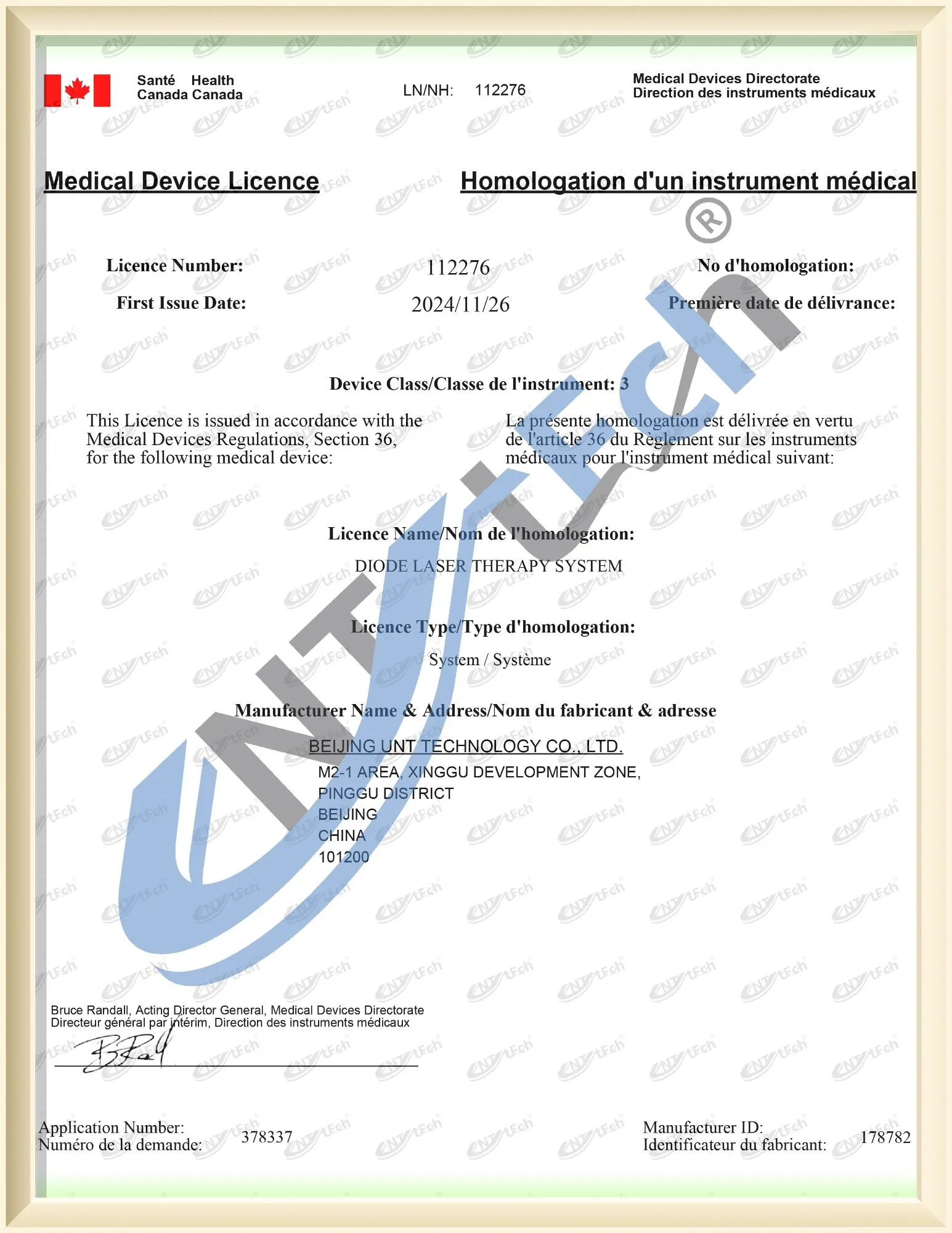
MDSAP Compliance

TGA Clearance
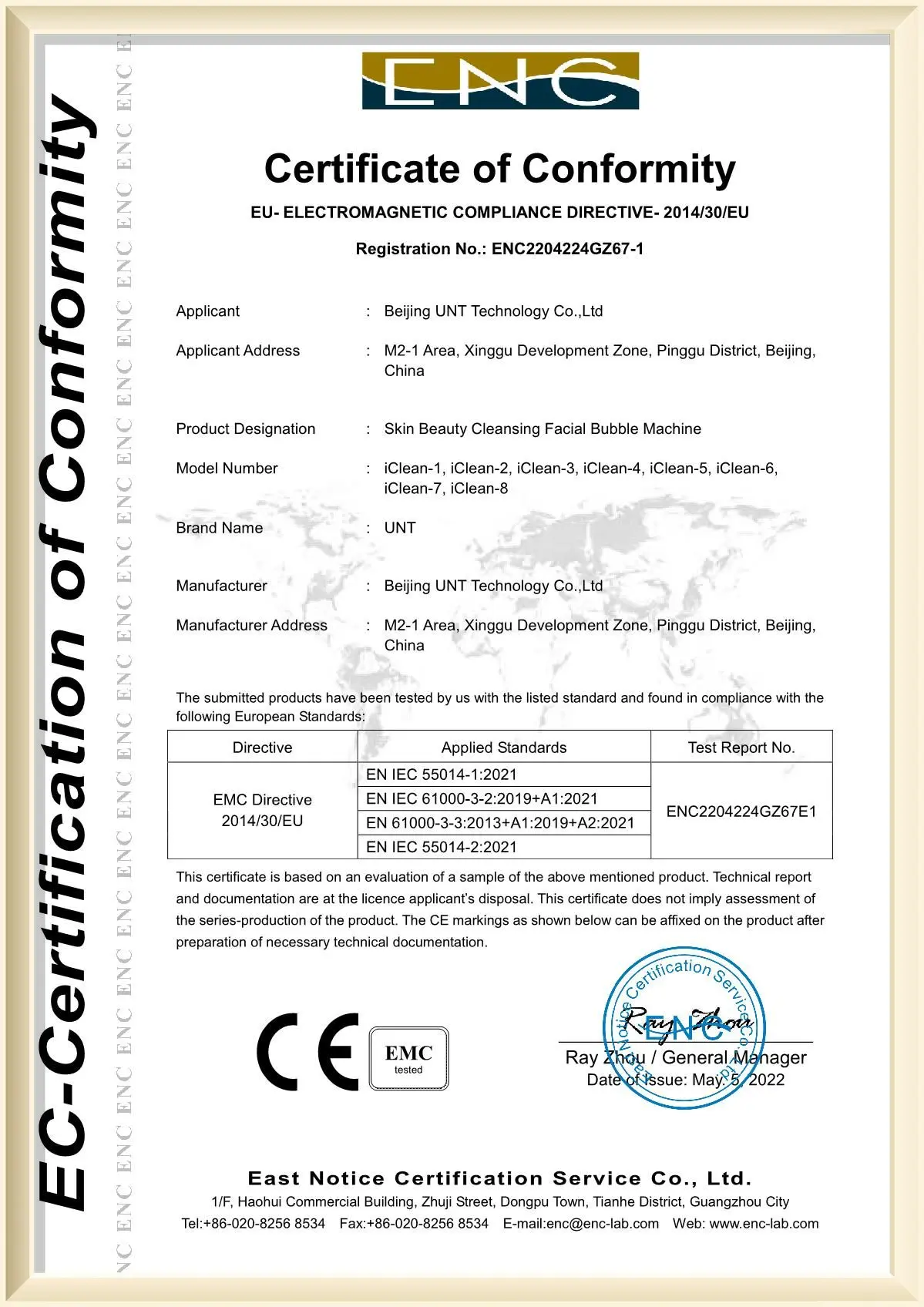
Safety Conformance Standard
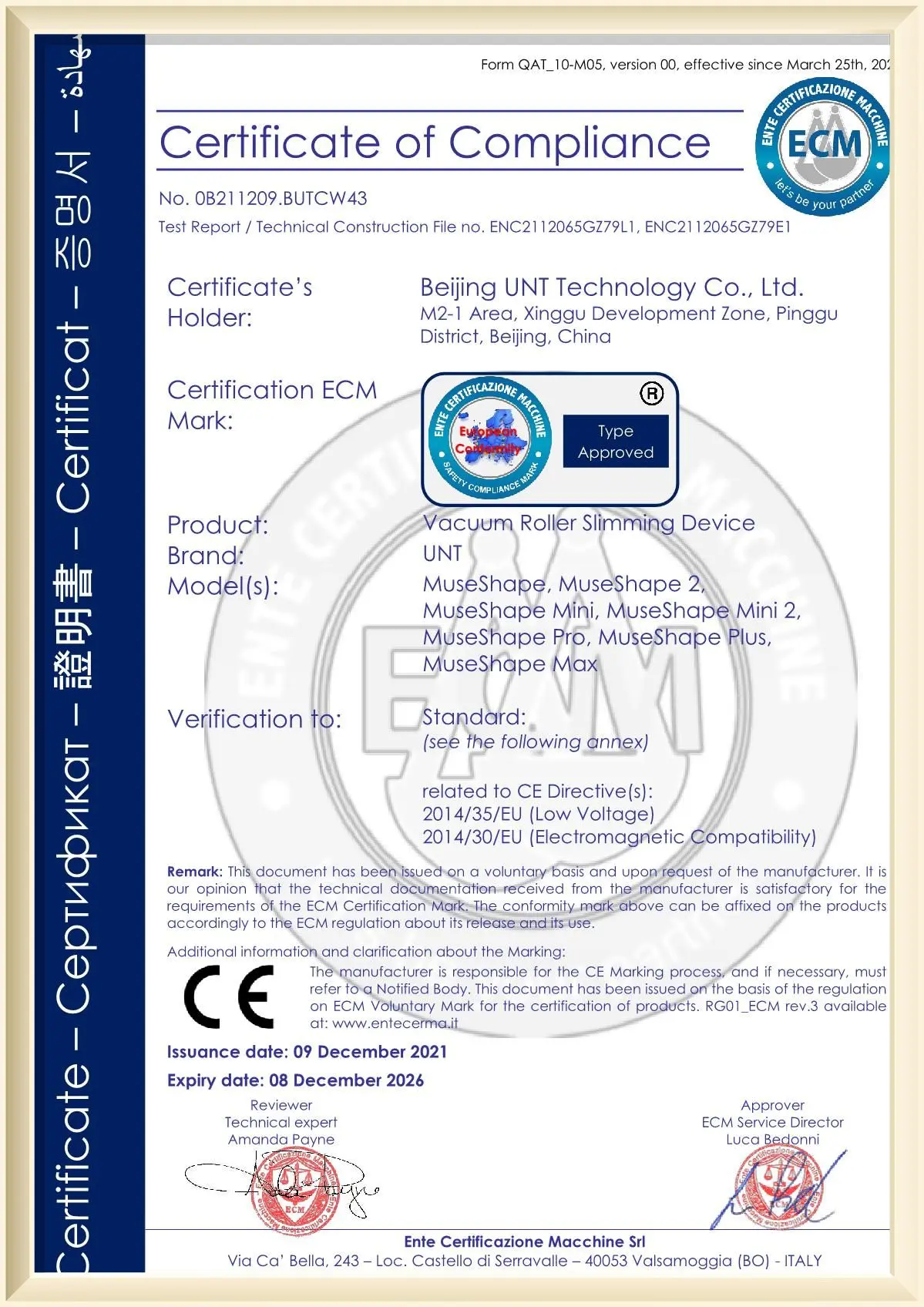
Cleanroom ISO Class 7
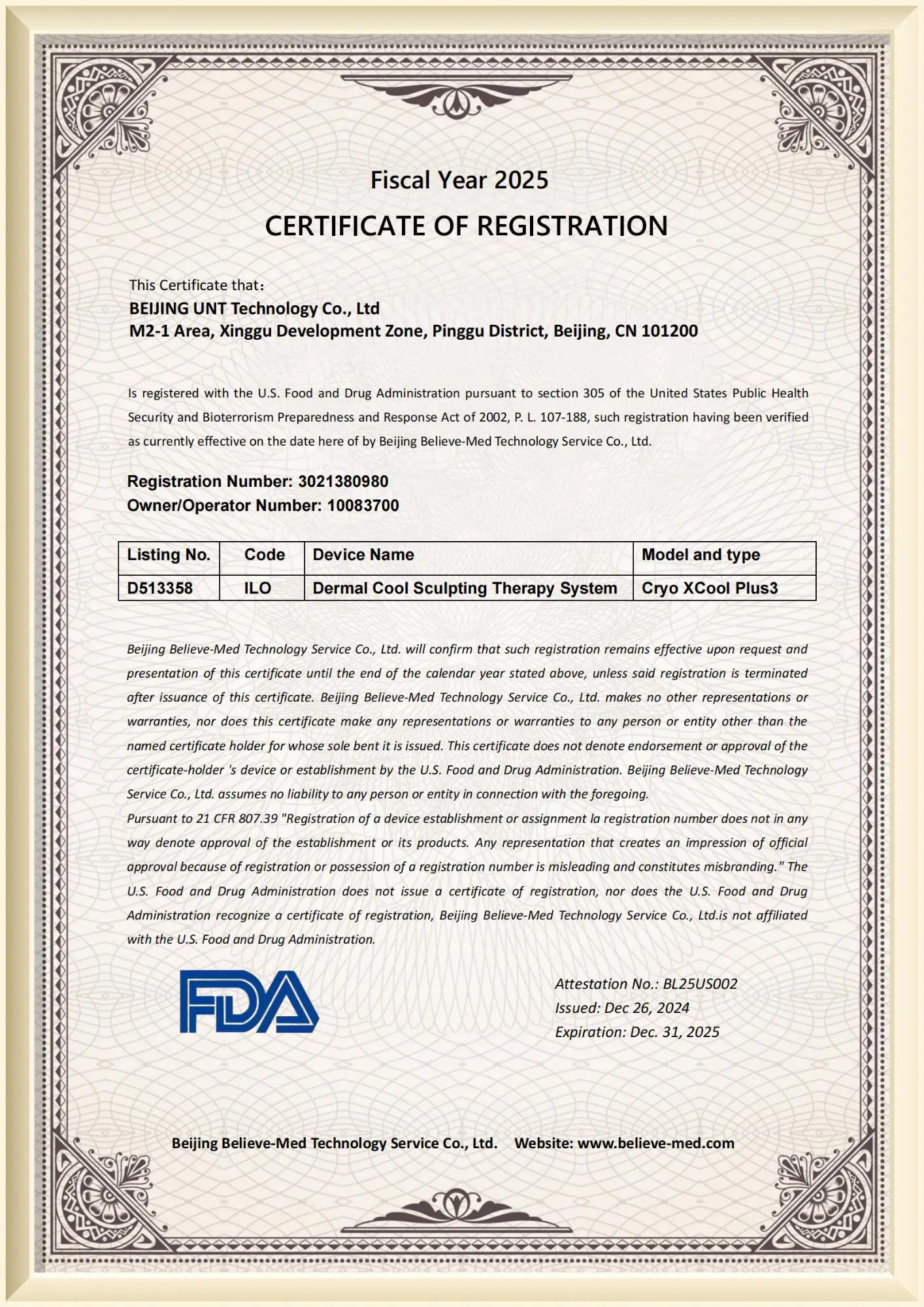
Optical Output Calibration
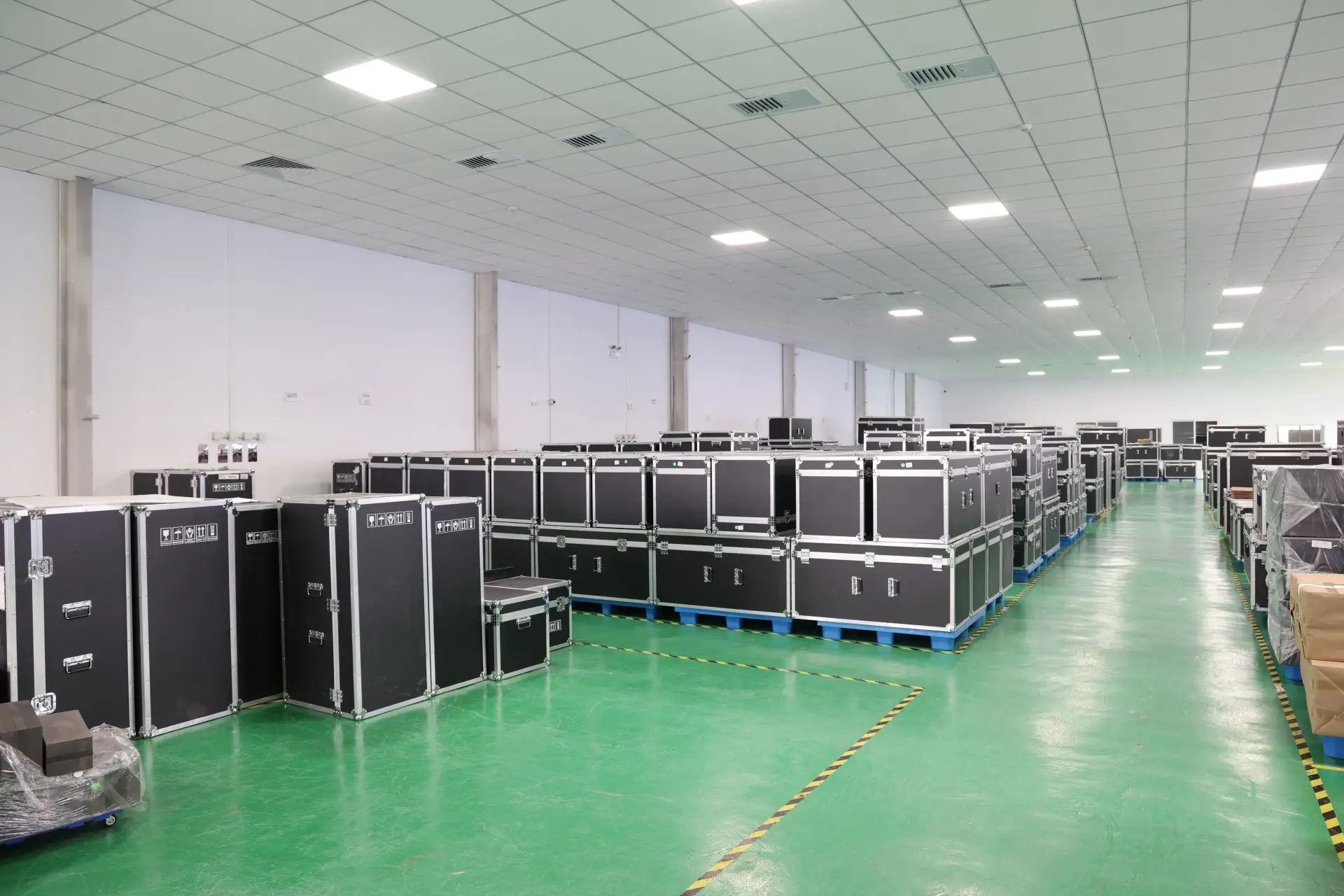
We provide seamless door-to-door shipping worldwide, ensuring clinical hardware arrives safely and promptly.
UNT's production facility integrates advanced industrial automation with skilled craftsmanship, operating under a rigorous quality workflow.
Prototypes are developed using CAD/CAM software and 3D precision testing, refining ergonomics and beam path stability prior to batch manufacturing.
High-precision optical elements and laser cavities are assembled inside ISO Class 7 cleanrooms to prevent microscopic dust contamination and ensure peak beam delivery.
Equipment is built from the ground up to meet regional standards (CE, FDA 510(k), TGA), eliminating post-production compliance bottlenecks.
Every unit is assigned a unique Serial Number (SN), enabling complete lifecycle tracking from optical raw materials to client installation.
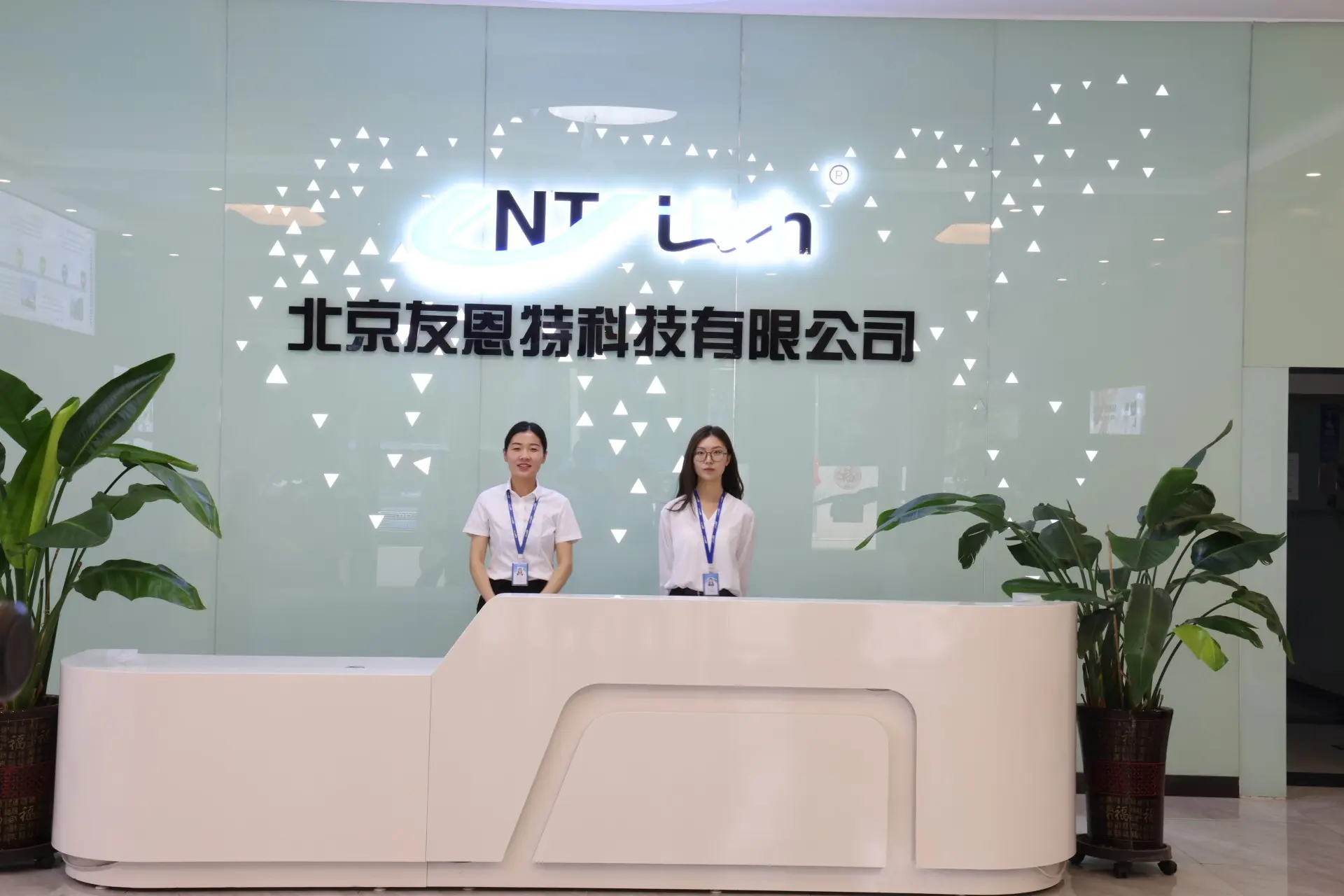

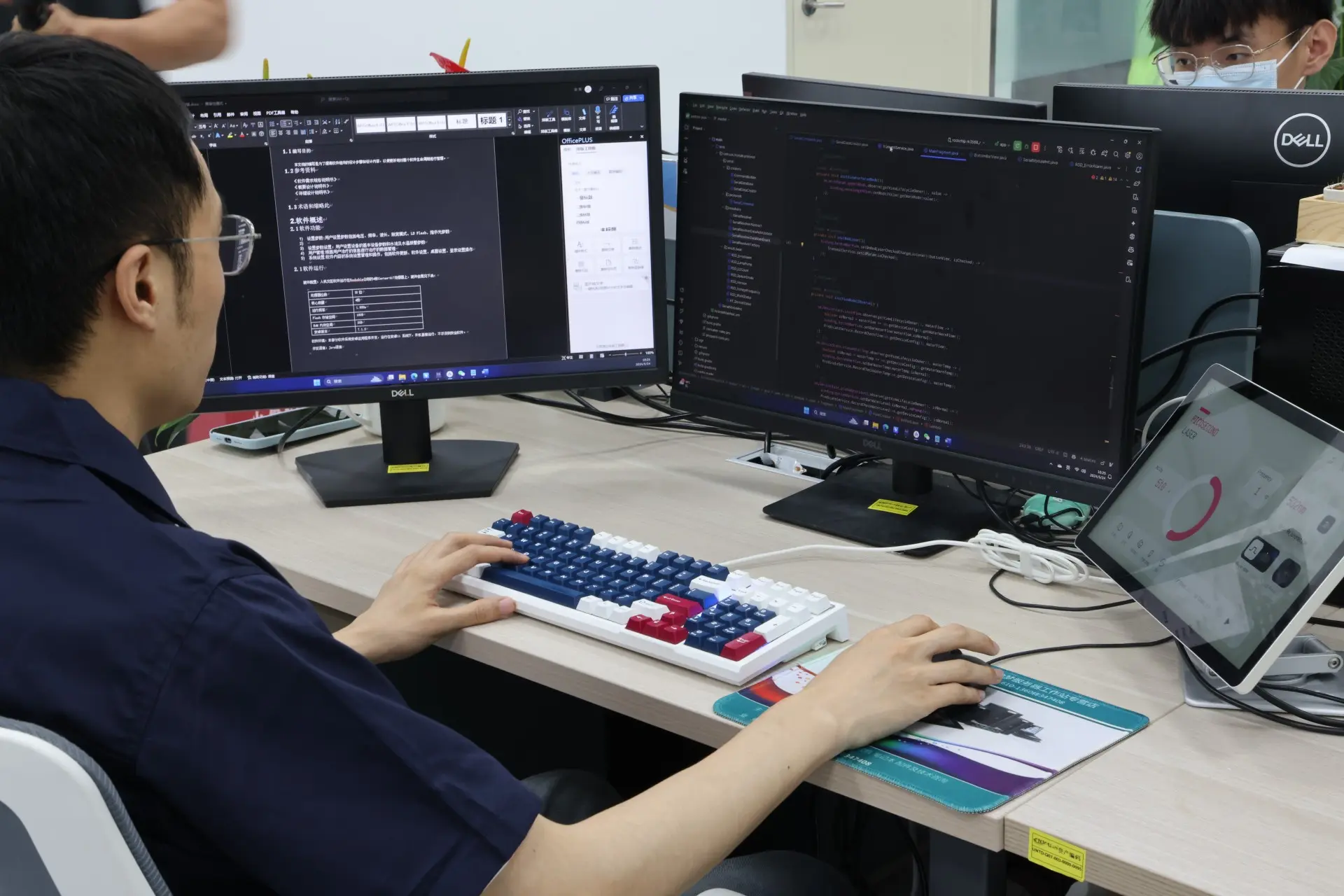
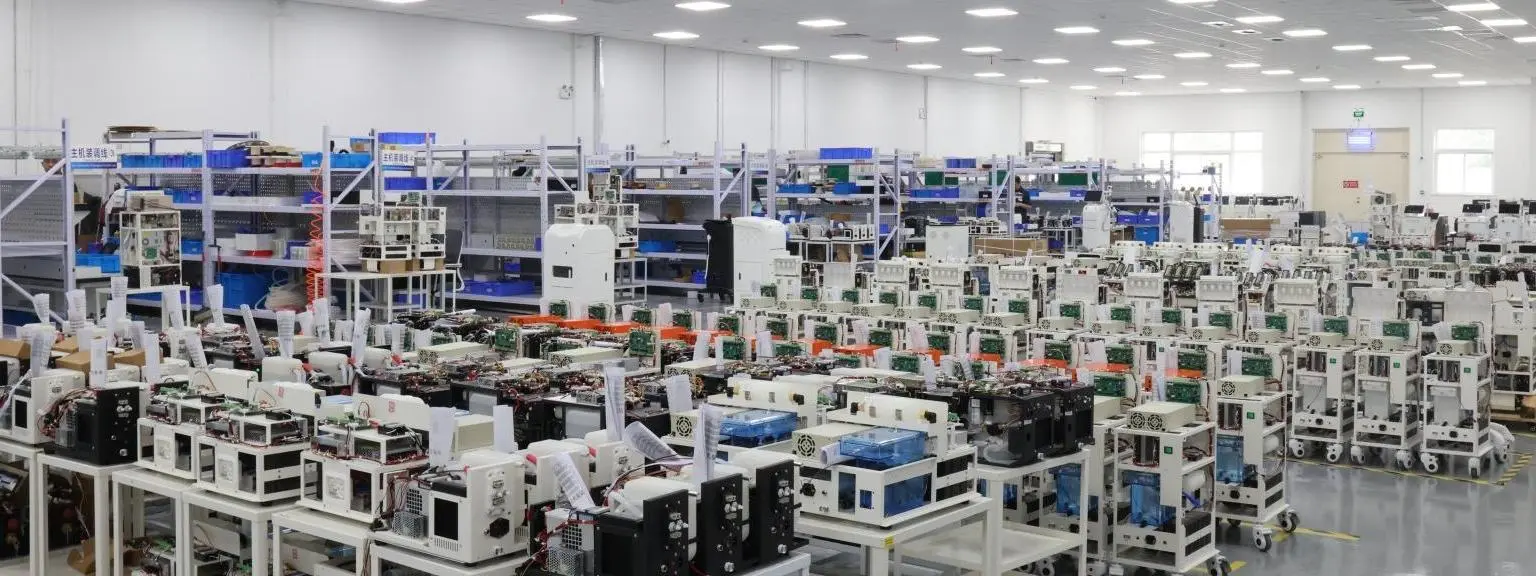
As a certified high-tech enterprise specializing in R&D-driven medical aesthetic solutions, we deliver end-to-end customization from concept to commercialization. We offer scalable manufacturing capacities ranging from 50 prototype units to over 50,000 units per year, backed by vertical integration across optical engineering, power board design, and precision housing machining.
The field of laser tattoo removal is undergoing rapid technological evolution. Next-generation equipment will further enhance clinical speed, reduce treatment discomfort, and expand target ink spectrums.
Transitioning from traditional rod-based cavities to all-fiber laser engines will significantly increase pulse repetition rates (up to 20 Hz) while extending component lifespan beyond 50 million shots.
Integrated optical sensors paired with real-time AI image processors will automatically analyze epidermal melanin concentration and tattoo ink depth, adjusting fluence levels dynamically mid-shot to prevent burns.
Next-generation ultrafast lasers reaching sub-300 picosecond pulse durations will maximize photoacoustic fragmentation efficiency, clearing complex blue and green pigments in fewer overall sessions.
Technical and procurement queries answered by our senior laser engineering team.
Explore our full collection of clinical laser, body sculpting, and light-based therapeutic platforms.
 UNT TECH